Big Sky preview, Montana State leads crowded FCS title race
Montana State is the standard again, but the Big Sky's autobid race is crowded with challengers and sleeper teams. Quarterback play and road tests will decide it.
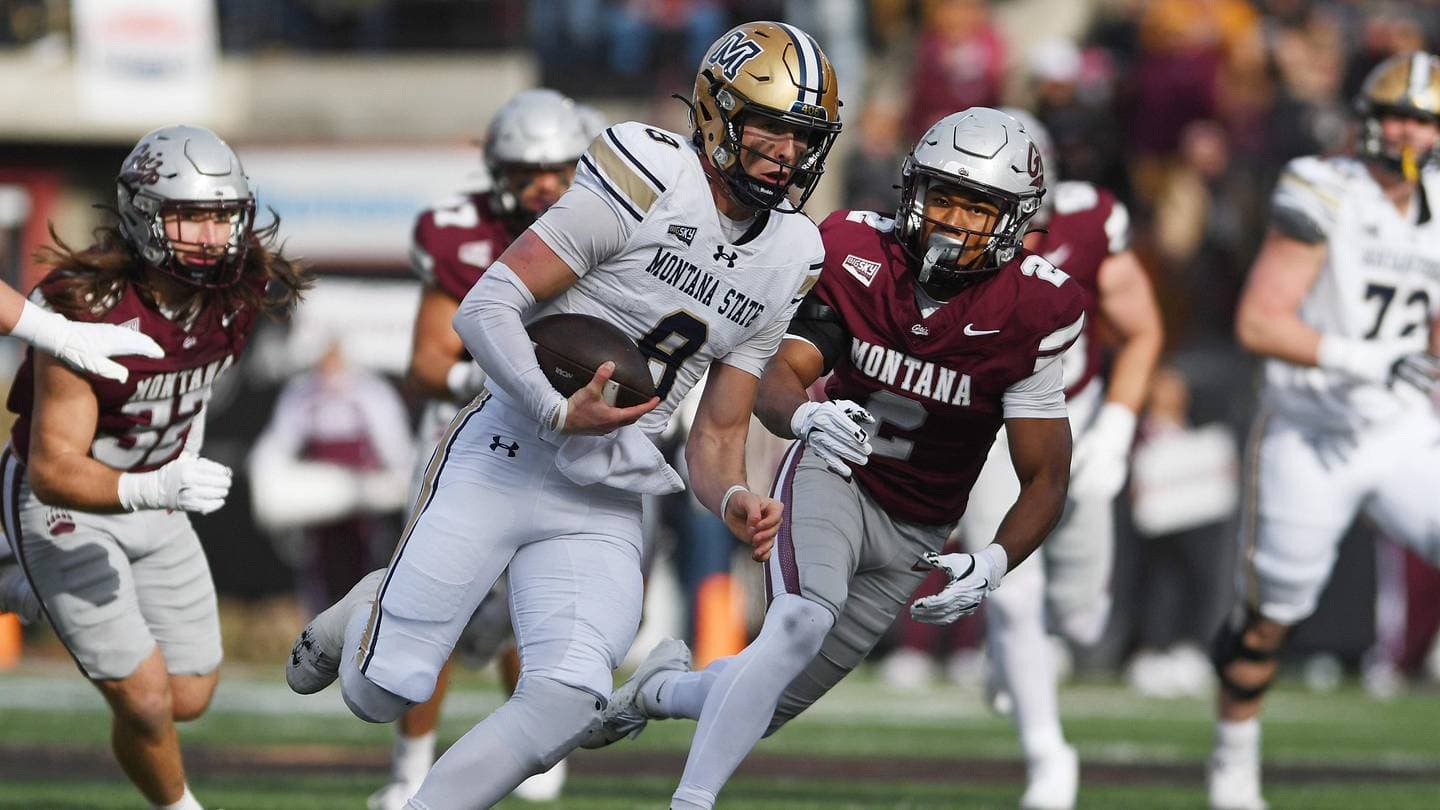
Montana State is the standard again, but the Big Sky is too deep to let one trophy settle the 2026 race. The Bobcats’ 35-34 overtime win over Illinois State in the 2025 FCS national championship game gave the conference its seventh title since 1978 and restored the league’s national shine, yet it also raised the stakes for everyone else: if you want the playoff autobid, you have to catch the team that just finished the job.
Montana State sets the target, but the chase is real
The Bobcats did more than win a title, they reset the ceiling for the entire conference. Montana State’s championship was its second national crown and its first since 1984, a reminder that the program is no longer simply playing for seeding or respect, but for another run through January. That matters nationally because the Big Sky has now delivered proof, again, that the route through the subdivision can still run through this league when the quarterback play and defensive talent line up.
That is why the preseason picture feels so compressed. Montana State was picked first in both the coaches and media polls, but the rest of the top tier is packed tightly enough that six teams received at least one first-place vote in one of the Big Sky’s 2025 preseason polls. Coaches followed Montana State with UC Davis, Montana, Northern Arizona and Idaho, and that spread says everything about the conference’s current problem for the rest of the country: there may be a favorite, but there is no comfortable margin.
The pressure points that will decide the conference
The biggest edge in FCS football is quarterback stability, and the Big Sky keeps proving it. Championship-level quarterback play is still the fastest way to separate from a league this deep, but the conference also keeps rewarding defenses that can create havoc and transfers that arrive ready to matter immediately. In a race this tight, the difference between first place and a playoff bubble is often one clean game manager, one pass-rush upgrade, or one late-season road win against another contender.
- Quarterback transitions will shape the table quickly, because the league’s contenders cannot afford uneven starts.
- Returning production matters as much as reputation, especially when a team can bring back impact players on both sides of the ball.
- Transfer additions can change a roster overnight, which is why the best Big Sky teams keep mining the portal for immediate contributors.
- Head-to-head games between the league’s top programs will likely determine seeding, not just the champion, because a crowded top tier leaves no room for wasted Saturdays.
That is the real consequence of a Big Sky season like this one. The champion will probably still have to survive a handful of teams that look playoff-ready in their own right, and the at-large picture could be shaped by which programs can win the most difficult road games and avoid the one loss that turns a top seed into a chase team.
Cal Poly shows how a sleeper climb can start
Cal Poly is the best example of why the Big Sky can produce surprises without warning. Tim Skipper’s first season begins after a 4-8 campaign in 2025, but the Mustangs are not starting from scratch. The preview notes 10 significant offensive returners and 9 on defense, which gives Cal Poly a level of continuity that can matter in a league where the middle of the standings often decides who gets to stay alive into November.
The personnel gives that outlook some bite. Linebacker Mikey D’Amato is the type of defender that can drag a team into relevance by himself, after posting 137 tackles, 8.5 tackles for loss, 6 sacks, an interception and two pass breakups. Quarterback Bo Kelly also gives the offense a real baseline, after appearing in eight games in 2024 and completing 110 of 169 passes for 1,162 yards and 6 touchdowns, including a season-high 268 yards and two scores against Idaho.
Around Kelly, the returnees create just enough stability to make the Mustangs dangerous. Kenny Olson, DeMel Turner and Jordan Harrison headline the holdovers, and the staff added running back Jaden Green from Lehigh University, defensive tackle Nicholas Fernandez from UTRGV, and quarterback Demaricus Davis from Hawaii. That kind of mix is exactly what competitive programs hunt for, because it gives a first-year staff options while keeping the roster old enough to survive the physical grind of Big Sky play.
Why the league’s depth matters nationally
The Big Sky’s value to the FCS playoff picture is bigger than one title or one preseason poll. This is a conference that has now produced seven national championships since the subdivision began in 1978, and that track record changes how the bracket is viewed from the outside. When the league is this deep, the committee has to respect that a second or third-place team may be more dangerous than a champion from a weaker conference.
That is what makes the 2026 race so compelling. Montana State starts as the program everyone is chasing, but UC Davis, Montana, Northern Arizona, Idaho and even a retooled Cal Poly all have enough pieces to alter the shape of the bracket. If the Bobcats defend the standard, they will do it in a league where the margin for error is tiny and every head-to-head result feels like a playoff game before the playoff even begins.
This article was produced by Prism’s automated news system from verified source data, official records, and press releases, then run through automated quality and moderation checks before publishing. The system is built and supervised by the people who set the standards it runs under. Read our full AI policy.
Did this article answer your question?