Black College Football Hall of Fame honors HBCU legends in Atlanta
Eddie Robinson Jr. and Steve Wyche helped make the Hall’s Class of 2026 more than a roll call. The six honorees linked HBCU football’s past, present and national reach.
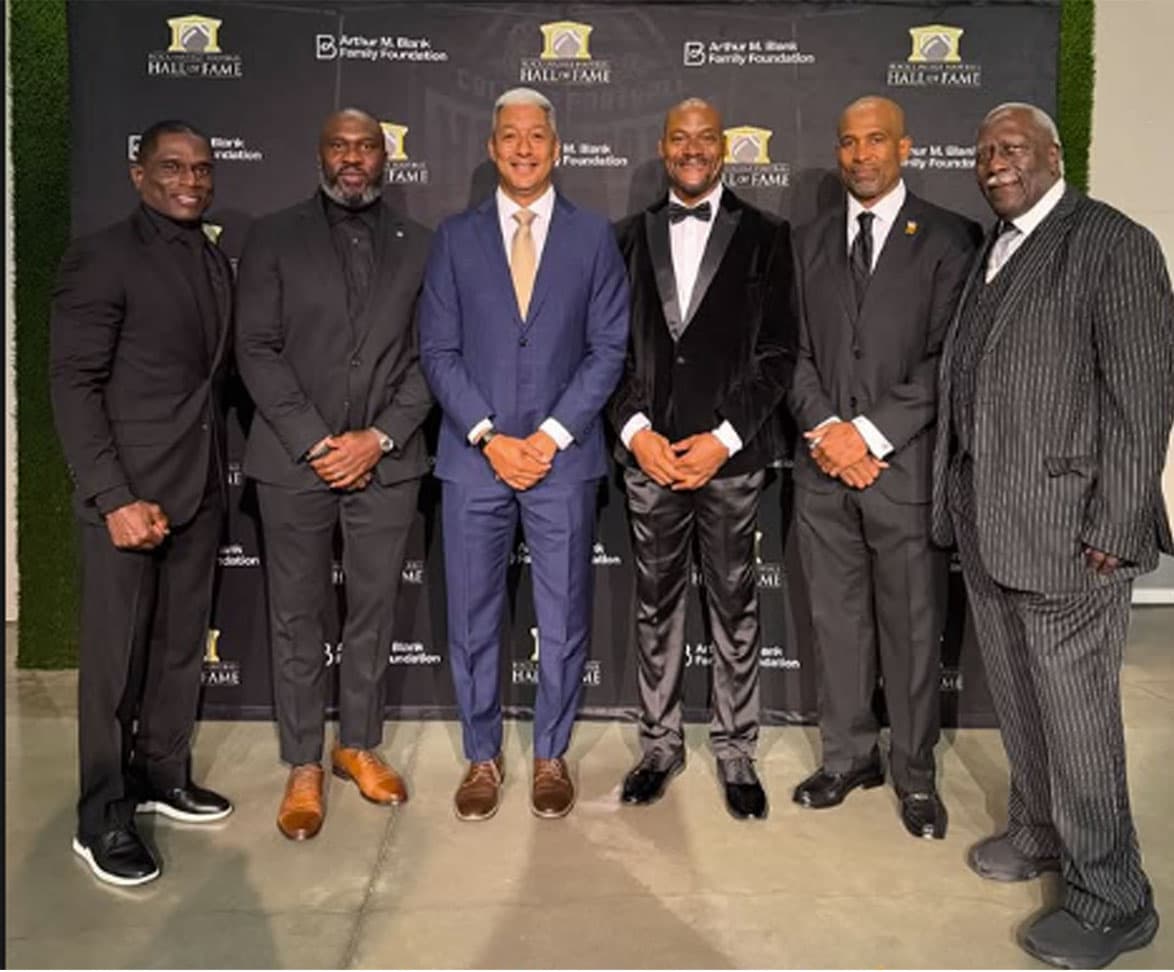
The Black College Football Hall of Fame’s Class of 2026 turned a ceremonial weekend into a reminder of how HBCU football still sells itself to recruits, alumni and donors: through legacy, credibility and visible paths from the field to leadership. Eddie Robinson Jr., the only current head coach in the class, and Steve Wyche, whose reporting helped shape the national view of HBCU football, gave the group a present-day edge that matched the Hall’s broader mission.
The Hall welcomed the six-member class in Atlanta after selecting it from 28 finalists, then honored the inductees again during halftime of the Allstate HBCU Legacy Bowl in New Orleans. The formal induction ceremony came on June 6 at the College Football Hall of Fame in Atlanta and was presented by the Atlanta Falcons, a sign of how much the event has grown since the Hall was founded in 2009 to recognize the greatest players, coaches and contributors from Historically Black Colleges and Universities.

This year’s class brought together Jackson State legend Jimmy Smith, Bethune-Cookman standout Nick Collins, Fort Valley State great Tyrone Poole, Florida A&M coach Rudy Hubbard, Alabama State star and head coach Eddie Robinson Jr., and Howard alum Steve Wyche. That mix mattered because it reflected the full scope of HBCU football, from championship-level players to coaches who still carry the standard and a media voice whose work has expanded the sport’s reach.
Doug Williams, a Hall co-founder, said the class was an “incredible showcase of excellence, leadership, and impact,” language that fit the night’s larger message. Williams has long framed the Hall as a way to elevate the past, present and future of Black college football, and the 2026 class embodied that idea with one foot in history and the other in today’s FCS and HBCU landscape.
Robinson’s selection carried extra weight because it tied his Alabama State playing career to his current job leading the program, and his 2025 Hornets team finished 10-2. That kind of continuity is part of the Hall’s appeal, because it shows recruits and fans that HBCU football still produces leaders who can win games, build programs and hold national relevance. The Class of 2026 did more than add six names to a wall in Atlanta. It reinforced the case that HBCU football remains one of the subdivision’s foundational pillars.
This article was produced by Prism’s automated news system from verified source data, official records, and press releases, then run through automated quality and moderation checks before publishing. The system is built and supervised by the people who set the standards it runs under. Read our full AI policy.
Did this article answer your question?