FCS championship history shows how the title game has traveled nationwide
The FCS title game’s map matters as much as the bracket: 15 years in Frisco, now Nashville, and every move reshapes travel, access, and the championship’s reach.
The most revealing line on the NCAA’s FCS championship history page is not the score or the coach. It is the site column. That one field turns the title game into a map of where the subdivision has chosen to crown its champion, and the 2025 overtime finish in Nashville, paired with the 2026 game already booked for FirstBank Stadium, shows the championship still lives by geography as much as by rankings.
The site column is the championship’s hidden record
The NCAA’s FCS Football Championship History table tracks each year with the champion, coach, score, runner-up and site, which is exactly why it tells a deeper story than a list of winners alone. A neutral-site title game gives the FCS a different feel from campus finals or home-site championships, because the venue is part of the event’s identity, not just the backdrop. In a subdivision with 129 member institutions sponsoring FCS football, 123 eligible for the national championship and roughly 13,000 football student-athletes, that shared stage matters.
The site also changes the competitive and visual feel of the game. A title played away from campus shifts the travel burden, changes how fan bases show up and gives the championship a cleaner national presentation on TV. That is why the site column is more than a footnote: it is the clearest record of how the sport has tried to balance access, atmosphere and national reach.
Frisco defined the modern championship model
For 15 straight seasons, the FCS champion was crowned in Frisco, Texas, inside Toyota Stadium, and that long run became part of the event’s brand. In 2019, the NCAA, Southland Conference, city of Frisco and Hunt Sports Ventures agreed to a five-year extension through 2025 with an option for the 2026 game, and NCAA.com said the deal kept the championship there through 2025 with that same option for 2026. That kind of continuity is rare in a title game that has historically moved from one host city to another.
Frisco’s stretch mattered because it gave the championship a stable home base, predictable operations and a repeatable fan experience. It also showed how much the FCS title can benefit when a host city is willing to invest in the event over time. But a 15-year stay also locked the game into one region, which meant a built-in geographic advantage for the teams and fans who could travel there most easily.
That is the core power-and-access question in FCS football. A long-running host site can strengthen the event commercially and operationally, but it can also concentrate the benefits in one metro area and one part of the country.
Nashville shifts the map, not the model
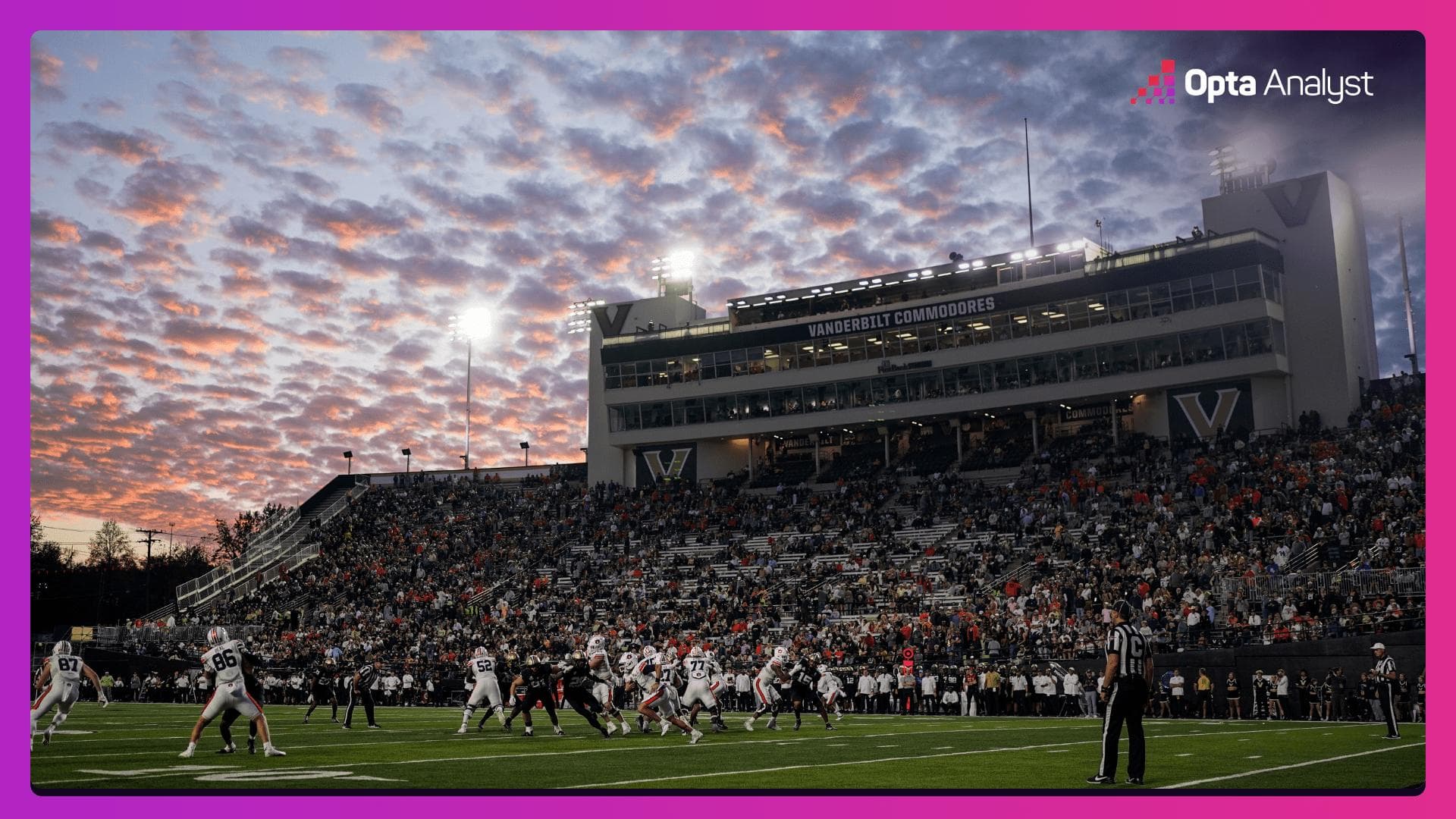
The next chapter keeps the neutral-site model intact while changing the address. The NCAA awarded Nashville, Tennessee, and the Ohio Valley Conference the 2026 and 2027 Division I Football Championship games, and the contests will be played on Vanderbilt’s campus. The NCAA’s future-dates page lists the 2026 Division I Football Championship Game for Jan. 5, 2026 at FirstBank Stadium in Nashville.
That makes Nashville the 11th city to host the FCS Championship since 1978, according to Tennessee Tech. The number matters because it places the move in the context of a long-running rotation, not a one-off relocation. ESPN framed the shift as the title game moving back to Tennessee for the end of the 2025 and 2026 seasons on Vanderbilt’s campus, while Sports Business Journal said the championship could remain in Nashville long term after what it described as a resounding success.
The campus setting is part of the appeal. FirstBank Stadium gives the championship a recognizable college-football backdrop, but the event still sits in a city with major travel options, hotel inventory and a strong winter-event profile. That combination is exactly why the location question keeps coming back every time the FCS championship changes hands.
Why the location question matters for the subdivision’s growth
This is not nostalgia. It is a growth story. A title game in Frisco or Nashville changes attendance patterns because it changes who can realistically get there, and it changes TV feel because the broadcast has a fixed, championship-specific stage instead of a rotating campus setting. It also affects recruiting visibility, since the title game becomes a nationally legible showcase for the programs that reach it, not just a reward for the team that hosted it.
The broader question is whether the subdivision wants to stay rooted in its traditional footprint or push harder toward a truly national event. The history table shows a sport that has always traveled, but the longest runs in Frisco and now Nashville show that the NCAA keeps looking for a host city that can deliver scale, access and a championship atmosphere all at once. That balance is what gives the FCS title game its identity, and it is why the site column belongs alongside the score every year.
This article was produced by Prism’s automated news system from verified source data, official records, and press releases, then run through automated quality and moderation checks before publishing. The system is built and supervised by the people who set the standards it runs under. Read our full AI policy.
Did this article answer your question?