FCS overtime explained after Rhode Island's seven-overtime thriller
Rhode Island's seven-overtime win showed why FCS overtime is built for chaos: no clock, short fields, forced two-point swings, and a rulebook that keeps squeezing.
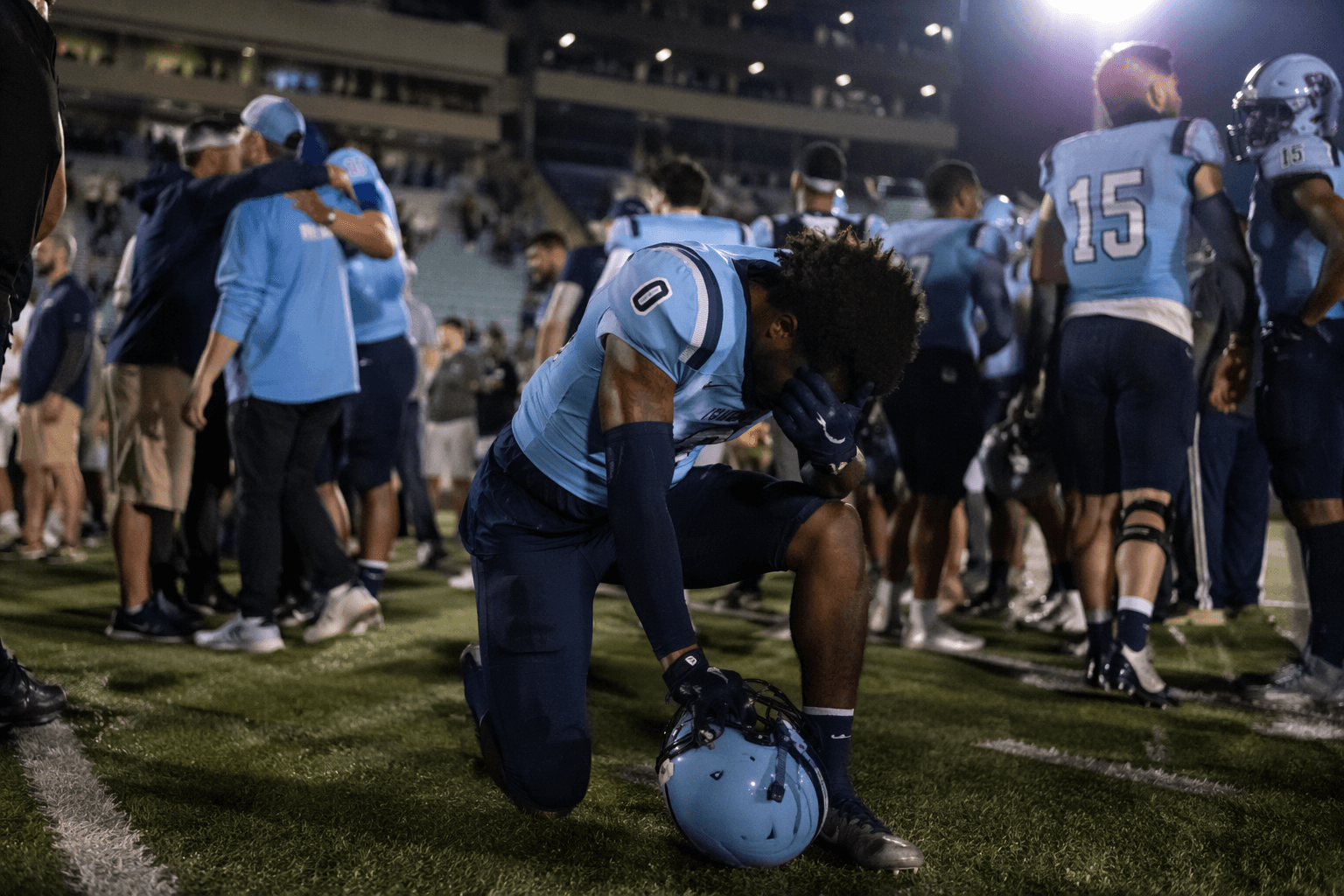
Rhode Island’s 48-46 win over Monmouth on Oct. 22, 2022, was the kind of game that turns a rulebook into a stress test. It took seven overtimes in West Long Branch, New Jersey, finished on a pass from Kasim Hill to Ed Lee, and came after Jordan Jones broke up Monmouth’s last end-zone shot. That combination of marathon length, late leverage and a one-play finish is exactly why FCS overtime keeps producing games people remember.
How FCS overtime actually works
The NCAA approved overtime in 1996, and the basic setup has stayed easy to explain: each team gets one possession from the opponent’s 25-yard line, and the game clock disappears. There is no chasing minutes, no milking the fourth quarter, and no hiding behind field position. Every snap is already in scoring range, which is why a single breakup, sack or false start can swing the entire game.
The format got sharper in 2021. Once a game reaches a second overtime, teams must go for two after touchdowns, and when the game reaches the third overtime the format shifts to alternating two-point plays instead of another drive from the 25. The NCAA said the change was centered on player health and safety, and it moved the alternating two-point phase up from the fifth overtime to the third. In practice, that means the game stops being about moving the ball and starts becoming about who can execute under the tightest possible pressure.
Why Rhode Island-Monmouth became the perfect showcase
Rhode Island’s seven-overtime win over Monmouth was more than a long game. It was the longest game ever between two FCS programs and the longest game in CAA Football history, and Monmouth’s homecoming crowd in West Long Branch got every twist the format can manufacture. The game lasted more than 3.5 hours, included seven ties and four lead changes, and never stopped feeling like one mistake away from ending.
The final sequence captures the whole sport’s appeal. Monmouth had a chance to answer, but Jordan Jones knocked away the pass in the end zone. Rhode Island then finished it when Ed Lee caught a pass from Kasim Hill for the winning points in the seventh overtime. That is the essence of FCS overtime: the field gets smaller, the decisions get faster, and the margin for error gets brutal.
The benchmark games that made the format famous
Before Rhode Island and Monmouth, the standard for pure endurance belonged to Bethune-Cookman and Virginia State. Bethune-Cookman’s 63-57 win on Sept. 26, 1998, went eight overtimes and still stands as the record for the most overtime periods played by an FCS team. NCAA archival coverage listed the game at 4 hours and 50 minutes, and contemporary reporting described a wild comeback after Bethune-Cookman erased a 26-0 deficit.
That game matters because it showed how overtime can turn a blown game into a survival exercise. Bethune-Cookman, based in Daytona Beach, Florida, did not just outlast Virginia State; it dragged the matchup into a format where composure mattered as much as talent. Once the game gets that deep, every possession is a pressure cooker and every conversion has the feel of a season-defining play.
Eastern Kentucky delivered the other modern reference point on Sept. 10, 2022, when it beat Bowling Green 59-57 in seven overtimes. That game, which sent Eastern Kentucky from Richmond, Kentucky, into Bowling Green, Ohio, was the longest game between an FCS and FBS opponent and tied the mark for the second-longest overtime contest in Division I football history. It also gave Eastern Kentucky its first win over an FBS opponent since 2014, and the upset earned the Colonels Athlon FCS National Team of the Week honor.
Why FCS overtime keeps producing chaos
The rule structure creates drama because it removes the parts of football that normally stretch out the tension. There is no full field to navigate, no clock to manipulate, and no long sequence of hidden plays to soften the edge. Instead, teams are dropped into a red-zone environment where one penalty can shrink a drive, one route bust can end it, and one defensive stop can flip the result.
The 2021 two-point changes made that tension even cleaner. The second overtime forces coaches to decide whether they trust their conversion package, and the third overtime turns the game into alternating two-point plays, which is basically football’s version of a shootout with pads on. That structure rewards poise, short-yardage design and defensive discipline, but it also gives underdogs a real path because the game stops looking like a full-team grind and starts looking like a handful of high-leverage reps.
That is why FCS overtime is such a reliable spectacle. Rhode Island’s seven-overtime win, Bethune-Cookman’s eight-overtime marathon and Eastern Kentucky’s seven-overtime upset all show the same thing: once the clock is gone and the field is shortened, the sport gets more volatile, not less. In FCS football, overtime does not just extend the game. It strips it down to the snaps that reveal who handles pressure when everything is on the line.
This article was produced by Prism’s automated news system from verified source data, official records, and press releases, then run through automated quality and moderation checks before publishing. The system is built and supervised by the people who set the standards it runs under. Read our full AI policy.
Did this article answer your question?