FCS playoff picture leaves room for first-time qualifiers to break through
The playoff door is open wider than it looks, and Yale, Harvard and other first-timers now have a real path to matter in November.

The question hanging over FCS football is no longer whether first-time playoff teams can belong. It is which program is ready to turn its first bid into something bigger. With a 24-team bracket, a changed Ivy League landscape and recent proof that debut qualifiers can win once they arrive, the next breakthrough team is not a novelty story. It is part of the playoff hierarchy.
The size of the field is the story
The easiest way to understand the opportunity is to start with the bracket itself. The FCS playoff field now holds 24 teams, split between 11 automatic qualifiers and 13 at-large selections chosen by the FCS Playoff Committee. That format gives conference champions a direct lane and leaves enough room for strong résumés to survive the selection process, even if a team has never been on this stage before.
That matters because the postseason has been a subdivision staple since 1978, when the championship began as a four-team field. The bracket grew to 12 teams in 1982, then 16 in 1986, before reaching today’s 24-team setup. Even with that growth, the playoff remains selective enough that more than one quarter of the 128 current FCS programs have never made it, which is exactly why every September and October still feels like a referendum on whether a team can stay alive into November.
The Ivy League changed the access map
No development altered the first-bid conversation more than the Ivy League’s reversal on postseason football. In December 2024, the Ivy League Council of Presidents approved ending the league’s nearly 80-year playoff ban, a restriction that had been in place since 1945. The league said it would begin competing in the NCAA Division I FCS playoffs in the 2025 season, after a proposal backed by the Student-Athlete Advisory Committee helped force the issue.
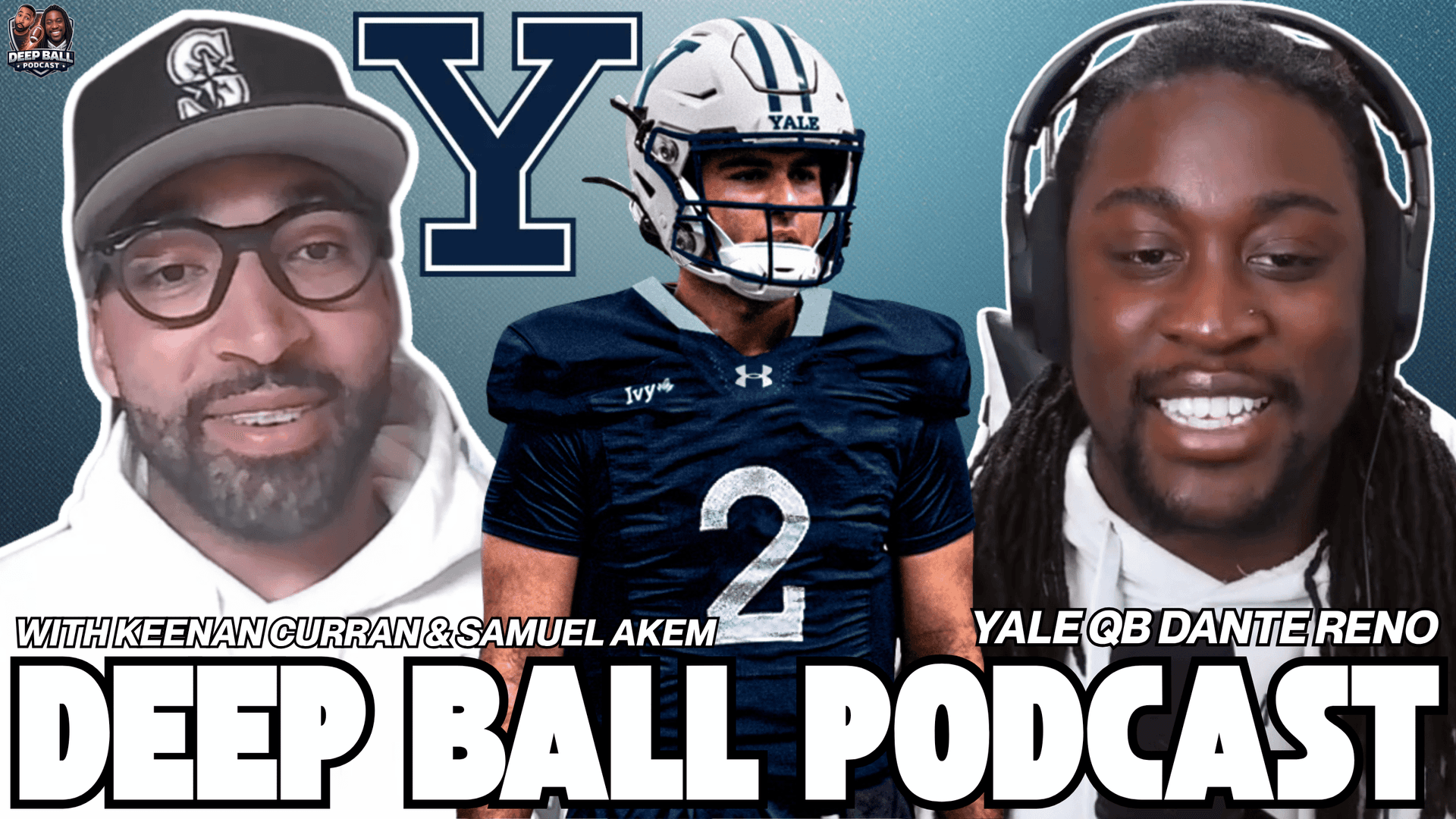
That decision did more than add another eligible conference. It created a new source of playoff teams from a league that has long treated football differently, and it immediately changed the competitive map for Ivy campuses. Yale and Harvard became the league’s first postseason entrants in the 2025 field, with The Game, the 141st meeting between the rivals, deciding Yale’s place in the bracket. For 2026, the question is not whether an Ivy team can get in anymore. It is whether the league’s access can keep reshaping the playoff field in a way that pushes other first-time hopefuls higher up the board.
The recent blueprint is simple: get in, then win
The strongest argument for taking first-time bids seriously is that the recent entrants have not behaved like guests overwhelmed by the moment. Opta Analyst’s follow-up reporting shows that in the last four FCS playoffs, five of seven first-time qualifiers won a game. That list includes Gardner-Webb in 2022, Mercer in 2023, Abilene Christian and Tarleton State in 2024, and Yale last season.
That record changes the meaning of a breakthrough season. First-time qualifiers are no longer just chasing the emotional reward of seeing their name announced on selection day. They are proving that roster-building, coaching continuity and conference ambition can translate into actual postseason damage. Once a program gets in, the old assumption that the first bid is the reward and the learning experience is the outcome has started to look outdated.
The 2025 bracket reinforced how tight the margin is. Automatic bids in that field included Yale, Mercer, Abilene Christian, Lehigh, Drake, Tennessee Tech and Stephen F. Austin, while 13 at-large spots filled the rest of the bracket. That balance shows why a first-time team usually needs more than a decent record. It needs either the security of a conference title or a résumé strong enough to survive a committee room where good losses and quality wins are weighed against each other.
What a real contender-status check looks like
If you are trying to spot the next breakthrough bid, the checklist is clearer than ever. The path usually starts with conference position, because automatic qualification removes the uncertainty that comes with waiting on at-large help. It then turns on nonconference wins and a November finish that keeps the committee from treating a team as a nice story instead of a serious candidate.
- Can it stack enough conference wins to control its own fate?
- Can it add at least one nonconference result that looks like playoff evidence, not padding?
- Can it survive the late-season stretch when the bracket picture hardens?
A first-time hopeful now has to answer three questions at once:
That is why the most important games are often not the glamour dates but the ones that decide whether a team is still standing when the field is discussed in late November. The Ivy League is the clearest example of how one result can swing an entire postseason path: The Game did not just settle a rivalry, it helped define who got the league’s first postseason berth. In a 24-team format, those pivot games matter because they shape both access and perception.
Why 2026 feels different
The 2026 FCS playoffs will begin on Nov. 28 and conclude in early January in Nashville, Tennessee. That calendar gives every contender a long runway, but not much margin for error. The 49th overall postseason still rewards the same things it always has, conference strength, a credible résumé and a finish that convinces the committee the team belongs in the room.
What has changed is the number of programs that can now imagine themselves crossing that line for the first time. The Ivy League’s entry, the recent success of debut qualifiers and the size of the bracket all point in the same direction: the playoff is still hard to reach, but it is no longer reserved for the same familiar names alone. The next breakthrough team will not just join the field. It will help define what the field looks like next.
This article was produced by Prism’s automated news system from verified source data, official records, and press releases, then run through automated quality and moderation checks before publishing. The system is built and supervised by the people who set the standards it runs under. Read our full AI policy.
Did this article answer your question?