FCS playoff teams ranked by returning production as 2026 roster continuity matters
Continuity is becoming the clearest separator in FCS, and Montana State’s veteran core shows why the most complete playoff teams may be the hardest to knock off.
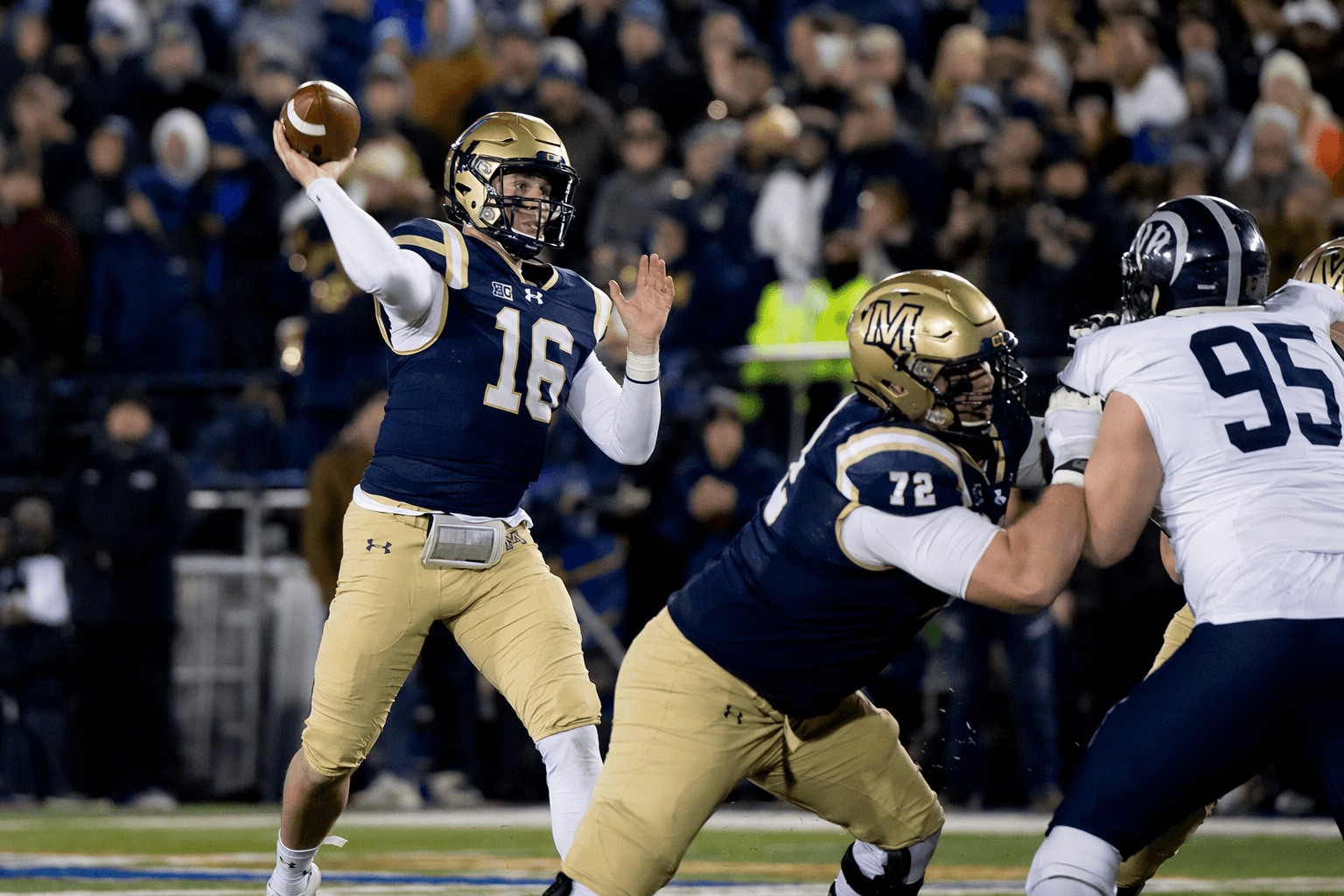
The most important number in FCS this offseason is not a preseason ranking or a splashy transfer haul. It is how much of a playoff team’s 2025 core is still intact, because in the portal era that continuity is often what separates a true contender from a team that has to reset.
Why returning production matters now
FCS Football Central’s latest breakdown is built around a simple idea with real postseason weight: programs expected to chase FCS Playoff spots, and even Celebration Bowl berths, can be judged by how much production they bring back. That matters more now than it did a few years ago because the one-window January portal has changed the calendar, and coaches know much earlier which rosters they can actually count on.
The measure is not a popularity contest and it is not a pure power rating. It is a continuity chart, which means the teams with the most returning production are not automatically the best teams, but they are often the ones with the cleanest path to staying good. In a subdivision where one veteran quarterback and one experienced offensive line can swing a season, that distinction matters.
How the chart defines continuity
The production model is built around returning contributors, defined as players who logged roughly 200 or more snaps in 2025. It also includes injured players who were projected starters, which helps capture the kind of core pieces that were absent from last season’s stat sheet but still part of the next season’s identity. Incoming transfers are excluded, so the numbers reflect what a team truly retains rather than what it replaces.
That distinction is crucial because roster retention and roster reconstruction are not the same thing. A team can add talent through the portal and still lose the rhythm, chemistry and baseline knowledge that made it stable in the first place. The chart is useful precisely because it isolates that continuity, while also acknowledging its limits.
There is one obvious limitation: equal weighting does not fully capture position value. A returning quarterback matters more than a returning reserve at another spot, and a veteran offensive line can reshape an offense in ways that raw snap totals do not fully measure. Even so, high retention has a strong track record of pointing toward success the following season.
Montana State sets the standard
The clearest continuity case sits in Bozeman. NCAA.com opened its way-too-early 2026 FCS top 25 with defending national champion Montana State at No. 1, and the Bobcats look built to keep pushing because so much of their most important production is back. NCAA.com specifically noted returning starting quarterback Justin Lamson, running back Adam Jones, wide receiver Taco Dowler and offensive lineman Titan Fleischmann.
That kind of core is exactly why returning production matters. A healthy quarterback, a proven run game, a reliable receiver and a veteran blocker give a team more than names on paper, they give it a structure that survives the churn of an offseason. Montana State also arrived at that preseason perch after beating Illinois State in the first-ever overtime FCS Championship Game, which only sharpened the expectation that the Bobcats should open 2026 with the same edge.
The takeaway is not just that Montana State is loaded. It is that the Bobcats are bringing back the kind of lineup continuity that tends to survive pressure, travel and playoff football. In a field where some contenders lose their identity before August, Montana State still looks like it knows exactly who it is.
South Dakota State remains in the same conversation
South Dakota State came in at No. 2 in NCAA.com’s preseason ranking, and its case is different but still rooted in continuity. The Jackrabbits were limited last season by quarterback Chase Mason’s injury, which makes the return of a healthy version of that offense especially important when projecting 2026. The ranking reflects the idea that when the quarterback piece is missing or compromised, the rest of the roster can be harder to evaluate.
That is where returning production can sharpen the picture. A team may not have the same headline returnees as Montana State, but if the most important missing piece is back, the actual ceiling can jump fast. South Dakota State remains one of the clearest examples of why raw offseason buzz should never outrun the health and experience of the roster itself.
The transfer portal changed when this conversation happens
The portal calendar has turned late January and February into prime evaluation season. HERO Sports argued in early February that the one-window January system helps analysts and staffs know much earlier which quarterbacks are returning, which is the kind of information that makes the entire offseason conversation more concrete. By late January, the picture is far clearer than it used to be.
That timing got even more important because SI.com’s March 25 transfer-portal roundup noted there was no spring portal window in 2026, meaning most teams had already finalized their additions. In practice, that left fewer moving parts and put even more weight on the roster that survived the winter. If a team already knows its quarterback, offensive line and defensive spine by late January, it can spend the rest of the offseason building around certainty instead of chasing it.
What to read into the numbers, and what not to
The strongest 2026 playoff contenders are not being judged only by star power. They are being judged by how much of their 2025 core remains intact after graduation, injuries and portal movement, because retention is now a competitive edge in its own right. The teams most likely to stay dangerous are the ones with a healthy returning quarterback, a veteran offensive line and enough experience on defense to avoid starting from scratch.
That is why the returning-production conversation matters more than a simple list of percentages. It shows which playoff teams are built to hold together and which ones may need to prove too much too soon. In a season defined by roster churn, the teams that kept their core are the ones most likely to keep their place at the top.
This article was produced by Prism’s automated news system from verified source data, official records, and press releases, then run through automated quality and moderation checks before publishing. The system is built and supervised by the people who set the standards it runs under. Read our full AI policy.
Did this article answer your question?