FCS rushing leaders since 2016 chart the subdivision’s ground-game evolution
Since 2016, FCS rushing leaders have tracked a shift from classic feature backs to more varied ground games, with dual-threat quarterbacks like Matthew Sluka changing the conversation.
The rushing title has become a style-of-play clue
The annual FCS rushing leaders since 2016 do more than fill a stat line. They show how offenses in the subdivision have changed, season by season, as some programs keep building around a bell-cow runner while others increasingly let the quarterback carry the ground game. That contrast is what makes the chart so useful: it turns rushing totals into a snapshot of coaching identity, roster design, and how teams want to win.
FCS Football Central’s year-by-year leaders chart captures that modern stretch of the subdivision’s offense in one place, while NCAA.com continues to maintain current FCS individual stats and historic leaders pages. Put together, those record-keeping tools create a clean line from a single season’s breakout back to the larger history of how rushing production has been valued in college football.
Why the FCS chart matters beyond the leaderboard
The real value of a year-by-year rushing list is that it lets you compare eras without losing context. NCAA record pages treat single-season rushing numbers as a serious marker of dominance, which is why a leader from one season can be measured against another even when offenses, tempo, and quarterback usage look completely different. In the FCS, that matters especially because the subdivision has always been a place where system fit can matter as much as raw talent.
NCAA.com’s FCS championship history page adds another layer to that context by listing the complete set of FCS champions from the first season to today. The rushing leaders are part of that same national record framework, not isolated individual flashes. When a runner or quarterback tops the chart, the number lives alongside championships, seasons, and the broader story of how teams have built title-caliber identity.
The quarterback run changed the feel of the race
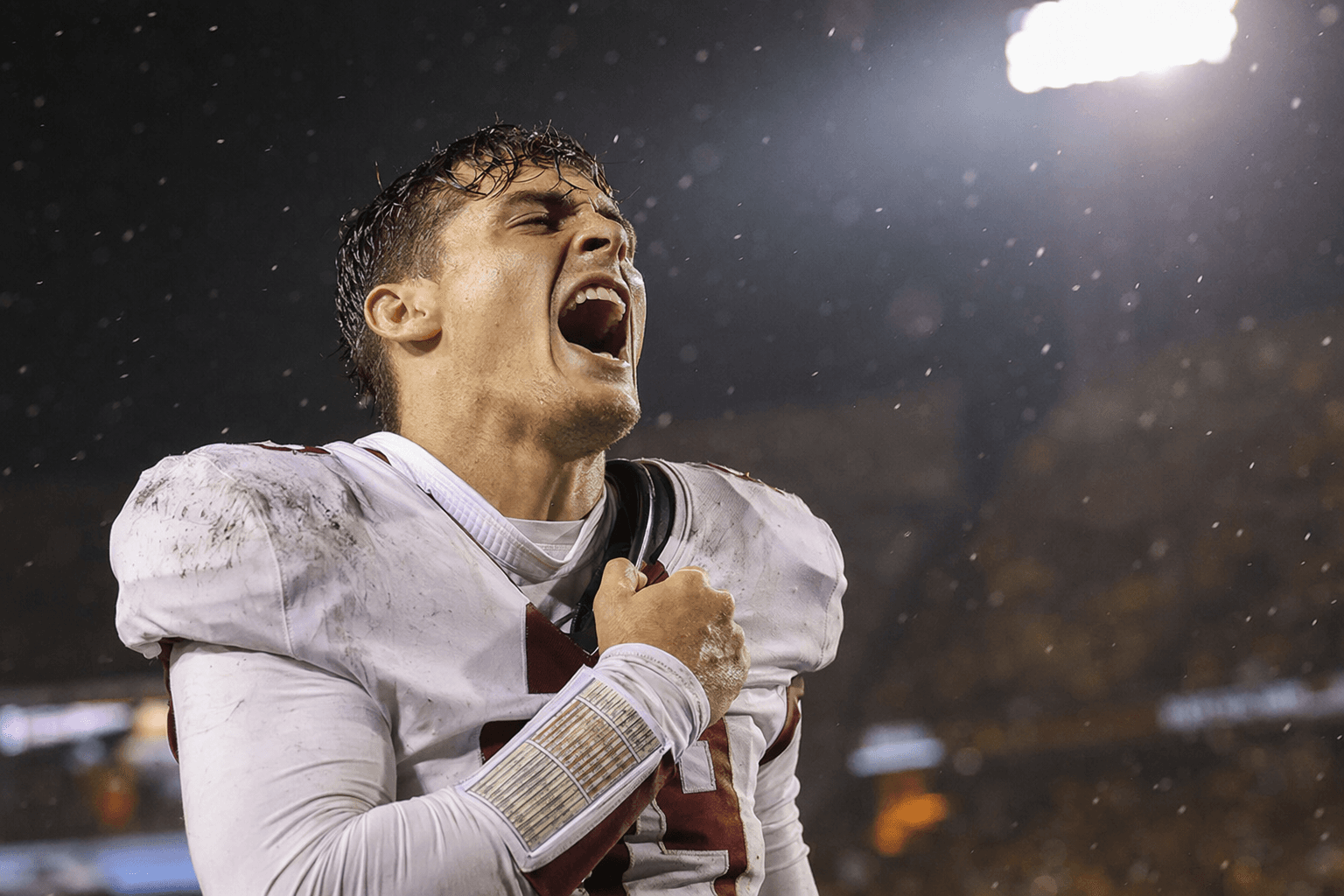
One of the clearest signs of that evolution came in NCAA.com’s October 10, 2023 feature on Holy Cross quarterback Matthew Sluka. At that point in the season, Sluka had rushed for 570 yards and four touchdowns through six weeks, and NCAA.com described him as the best quarterback in FCS halfway through the season. That kind of production underscores a major shift: rushing leadership is no longer reserved only for tailbacks.
Sluka’s numbers matter because they show how a quarterback can function as the centerpiece of a ground game, not just a complement to it. When a team’s most dangerous runner is also its passer, defenses have to account for every snap as a run-pass problem. That changes play-calling, changes how coordinators defend motion and option looks, and changes the profile of the player who ends up near the top of the rushing chart.
Workhorse backs are still the standard, but the definition has widened
The annual leaders since 2016 reveal an important tension in FCS football. On one hand, the subdivision still rewards teams that can hand the ball to one player over and over and let him set the tone. On the other hand, quarterback rushing has become impossible to ignore, especially when a player like Sluka is producing at a level strong enough to earn national recognition.
That is the real pattern to watch in the chart: not whether running backs have disappeared, but whether the top rushing season belongs to a traditional feature back or to a dual-threat quarterback who is effectively functioning as the offense’s first rushing option. The fact that NCAA.com maintains both current and historic FCS leader pages tells you how closely those different profiles are being tracked.
A bigger college football yardstick still frames the FCS conversation
The subdivision’s rushing leaders also make more sense when placed against college football’s broader single-season standard. NCAA.com’s all-time single-season rushing leaders page points to Oklahoma State’s Barry Sanders, who remains the top name on the list with 2,628 yards in his 1988 Heisman-winning season. That record is a reminder of what historic rushing dominance looks like at the sport’s highest level, and it helps explain why seasonal FCS leaders draw attention every year.
The comparison is useful even when the scale is different. Barry Sanders’ season is the outer boundary of the conversation, while the FCS chart shows how the subdivision continues to produce its own version of elite ground-game production. The common thread is not just yardage. It is how that yardage reflects the offense around it.
What the chart says about coaching identity
A rushing leader is often a fingerprint for a coaching staff. Some teams want the back to carry the offense, grind down fronts, and control the game through repeated carries. Others are comfortable letting the quarterback absorb that workload, especially when the system favors designed runs, keepers, and option concepts. Since 2016, the FCS leader list has helped separate those identities in a way that box scores alone cannot.
That is why the chart matters to scouts and historians as much as fans. A season led by a classic tailback suggests one kind of team build, while a season led by a quarterback like Sluka suggests another. NCAA.com’s current FCS individual stats and historic leader pages make it possible to follow both tracks at once, which keeps the rushing story tied to the present without losing the long view.
The takeaway for the modern FCS ground game
The most revealing thing about the FCS rushing leaders since 2016 is not just who finished first. It is the widening range of what first can look like. Feature backs still define plenty of Sundays-to-Saturdays type offenses in the subdivision, but quarterbacks now shape that conversation far more often than they once did, and Sluka’s 570-yard, four-touchdown start through six weeks in 2023 made that especially clear.
That shift tells a larger story about the subdivision itself. FCS football remains a place where run-game identity still matters, but the ground game now belongs to more than one position group. The annual leaders chart shows a division that has not abandoned the run. It has simply expanded who gets to own it.
This article was produced by Prism’s automated news system from verified source data, official records, and press releases, then run through automated quality and moderation checks before publishing. The system is built and supervised by the people who set the standards it runs under. Read our full AI policy.
Did this article answer your question?