FCS tracker shows 560-plus FBS transfers reshaping rosters for 2026
More than 560 FBS players are headed to FCS, and the biggest gains are coming at quarterback, where one transfer can redraw a playoff race.
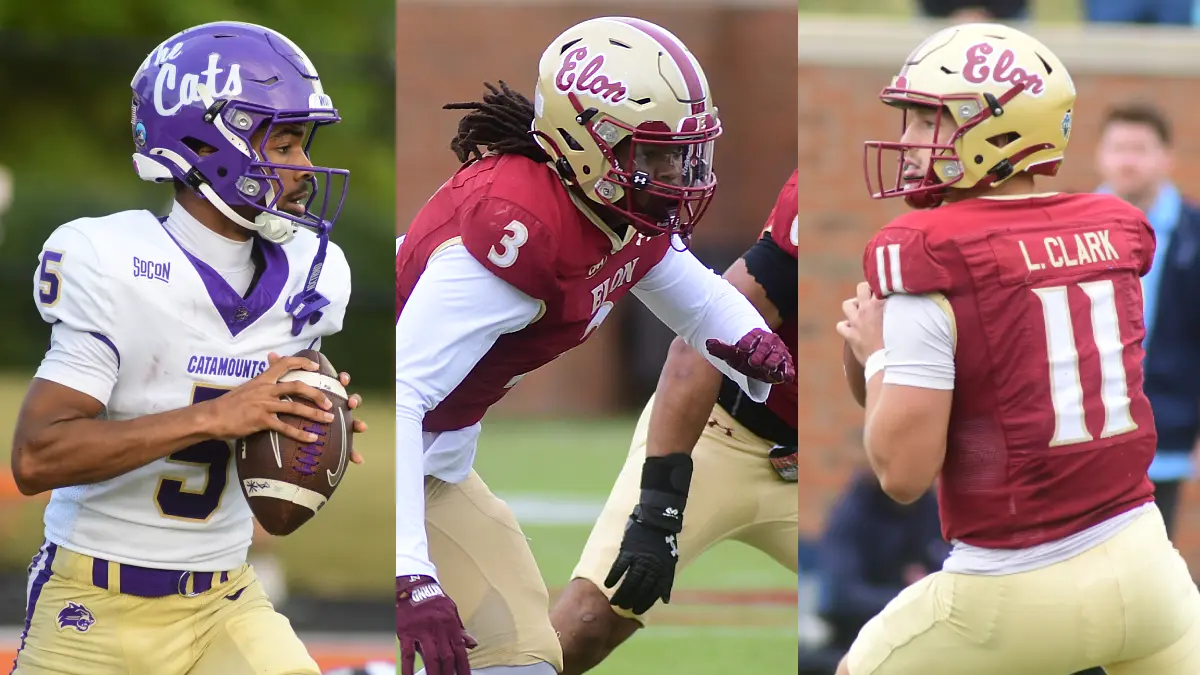
More than 560 FBS players are already headed to FCS rosters for 2026, and the tracker shows this is roster construction, not a cleanup exercise. The names are spread across quarterbacks, linemen, receivers and defensive backs, giving FCS staffs a fast path to experience, depth and immediate production.
The portal has become the roster map
The value of the tracker is in the scale and the pattern. More than 10,000 college football players entered the portal this offseason, yet the FCS-to-FBS movement still matters because it is packed with players who can help right away. HERO Sports said the 2025 cycle sent more than 800 FBS players to the FCS, so the 2026 total is still a major influx even with fewer names than a year ago.
The timing matters too. Sports Illustrated’s FCS Football Central said there was no spring portal window in 2026, which meant most players had already found homes for the season. That compressed the market and made the FCS tracker feel less like a loose list and more like a live roster ledger, one that shows where programs are spending for experience and where they are trying to patch holes before camp opens.
The positions that change a depth chart fastest
Quarterbacks sit at the center of the conversation because they can change the feel of a team before a snap is played. Justin Lamson’s move from Stanford to Montana State became the clearest proof of concept when he was named MVP of the FCS national championship game on Jan. 5. One experienced quarterback can change preseason expectations, and Lamson showed how quickly that can become a title-game advantage.
The tracker also highlights why staffs value certain position groups over others when they shop in the portal.
- Quarterbacks bring decision-making and command that usually show up early.
- Linemen can stabilize a front immediately, especially when the rest of the depth chart is young.
- Receivers add another layer of explosive potential without waiting for a developmental curve.
- Defensive backs can be inserted into coverage packages faster than players with fewer game reps.
That position spread is the point. The portal is no longer a side note in FCS roster building, and the schools that use it best are the ones chasing usable snaps, not just names. Sports Illustrated’s transfer-portal rankings said proven experience carried more weight than FBS transfers with little or no playing time, and that logic is backed up by a telling historical stat: 48 percent of the 2023 FCS All-Conference transfers played fewer than 300 snaps at their new school.
Why some FCS rosters can flip overnight
The programs using FBS transfers most aggressively are the ones willing to stack multiple additions at once, because one transfer helps but a cluster can rewrite the two-deep. The tracker spans the whole subdivision, from scholarship-heavy programs to academically selective schools, and that range shows how universal the portal has become. Every corner of FCS football is trying to solve the same problem with the same tool: get older, get deeper and get better before the season starts.
Montana State is the cleanest example of what that can look like when the fit works. Lamson gave the Bobcats FBS experience, and the championship game MVP result showed how fast a transfer can shape a playoff-caliber roster. When a program lands multiple players like that, preseason polls and projection pieces can shift immediately because the depth chart changes before the first week of fall practice.
That is why the tracker reads like intelligence, not just inventory. It tells you which teams are buying stability, which ones are chasing upside and which ones are building with a short runway toward August. In a league where a veteran quarterback or a seasoned safety can change the tone of an entire season, those differences matter.
The other direction explains the urgency
The FCS-to-FBS side of the pipeline shows why this movement has become so important in both directions. North Dakota State running back CharMar Brown was a key piece in Miami’s run to the CFP National Championship game in Coral Gables, while NDSU safety Cole Wisniewski became a starter for Texas Tech during its CFP run in Lubbock. Former South Dakota State quarterback Mark Gronowski took the same kind of step in Iowa City, where he set Iowa single-season records with 491 rushing yards and 15 rushing touchdowns.
Those names sit alongside other FCS-to-FBS movers such as Malachi Hosley, J’Mari Taylor, Joe Cotton, Griffin Wilde, Ray Coney and Karon Prunty. Together, they underline the reality behind the tracker: the portal is now an established pipeline, and the players who move through it can shape championship races on either side of the subdivision.
What the 2026 season is likely to reflect
The clearest takeaway from the 560-plus FBS-to-FCS moves is that experience is becoming the currency that matters most. The teams that identify the right veteran fits fastest, and then fit them into the right roles, are the ones most likely to see their rosters change first and their playoff outlook change with them. In a portal cycle that has already topped 10,000 entrants, the FCS programs that move with purpose are the ones turning a crowded market into a competitive edge.
This article was produced by Prism’s automated news system from verified source data, official records, and press releases, then run through automated quality and moderation checks before publishing. The system is built and supervised by the people who set the standards it runs under. Read our full AI policy.
Did this article answer your question?