HBCUs Top FCS Era List for Most NFL Draft Picks Produced
Jackson State's 43 FCS-era NFL draft picks top all college programs, but only two HBCU players have been drafted across the last three NFL drafts combined.
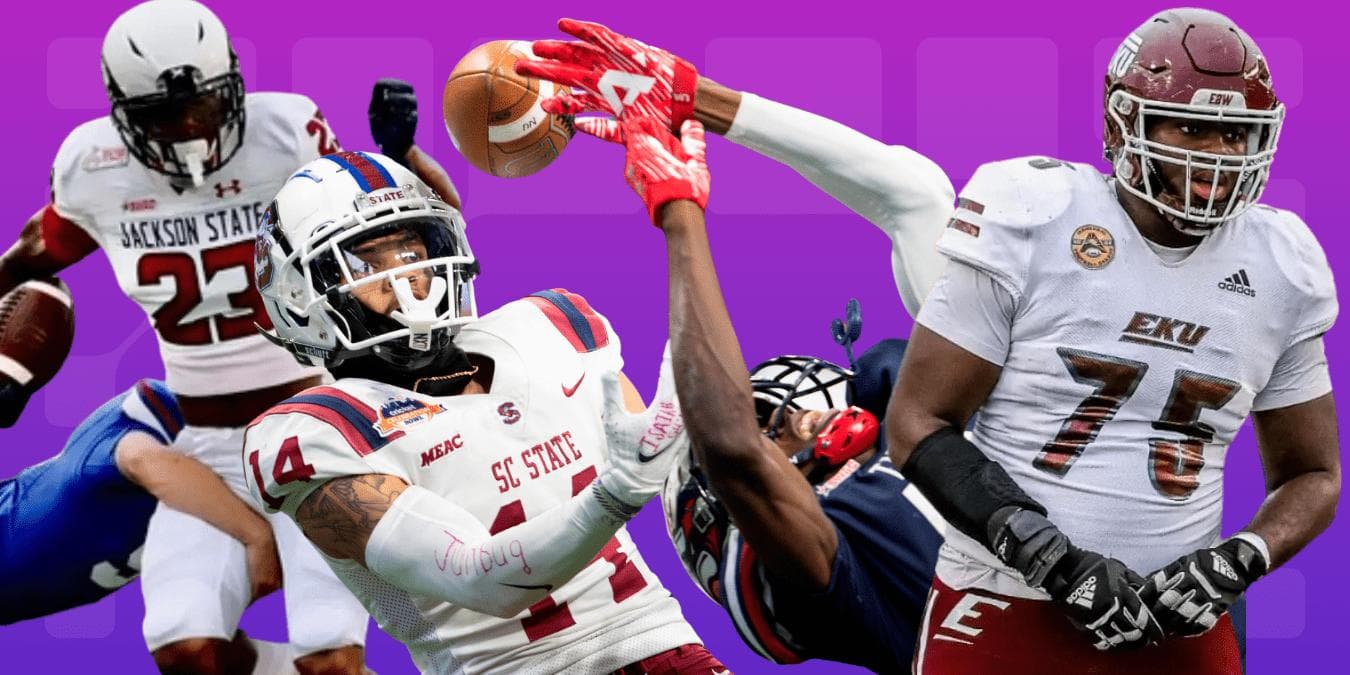
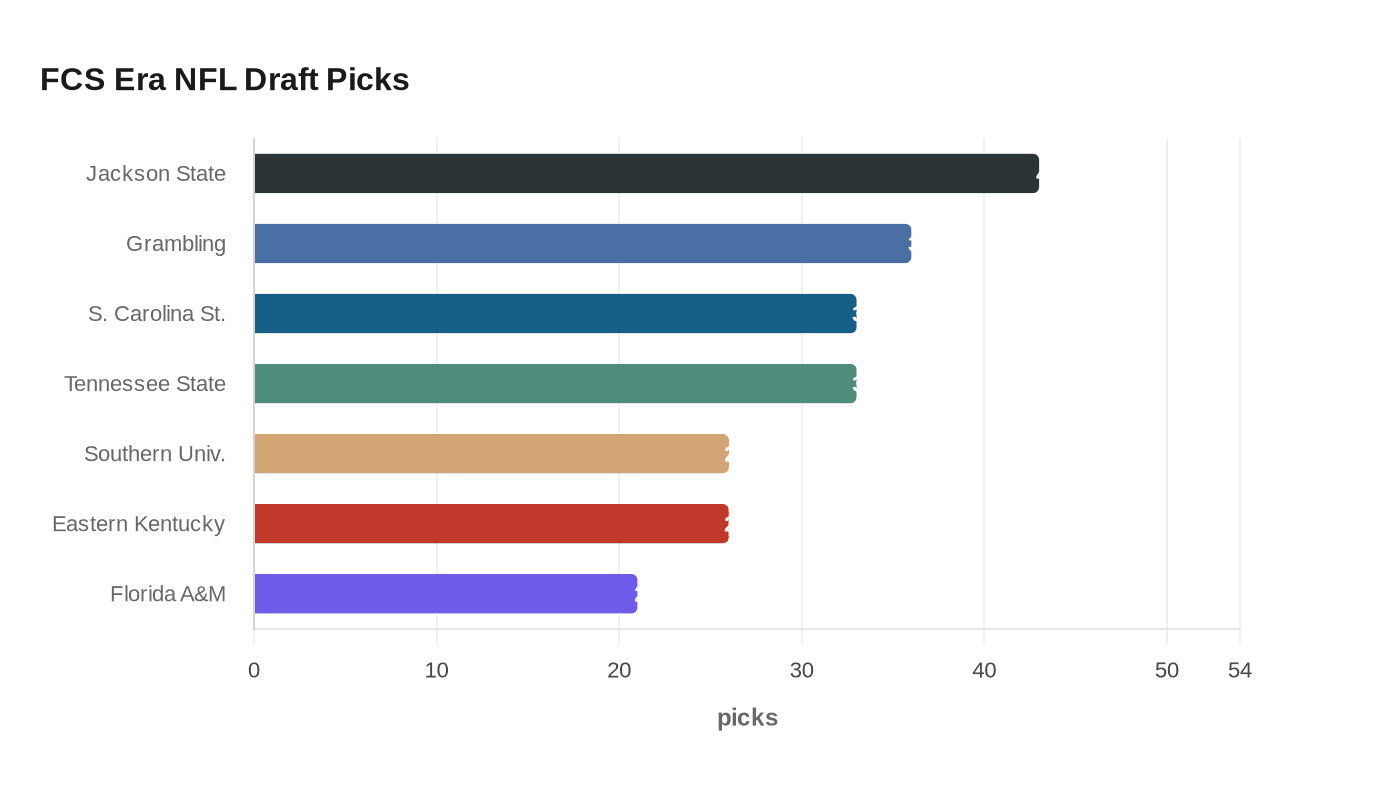
Jackson State's NFL draft pipeline predates Deion Sanders by decades, and new data from Craig Haley at Opta's The Analyst confirms the Tigers have been the most productive program in FCS history: 43 total selections since Division I split into the FCS and FBS in 1978. The findings, published March 30, go further than a single school's banner number. The programs with the four highest draft totals in the FCS era are all HBCUs, and eight of the top 15 are as well.
Grambling sits second with 36 FCS-era picks, while South Carolina State and Tennessee State are locked in a dead heat at 33 selections each. Southern University ties Eastern Kentucky for sixth at 26 draft selections, and Florida A&M checks in ninth with 21 picks. No Midwestern FCS dynasty cracked the top four. The SWAC and MEAC programs did that work across a half-century of production.
The piece notes that even programs that are not the modern, sustained FCS dynasties often had concentrated eras where multiple players were drafted across a few seasons, a signal for evaluators that historical talent clusters can reveal long-term program strengths in coaching and talent identification.
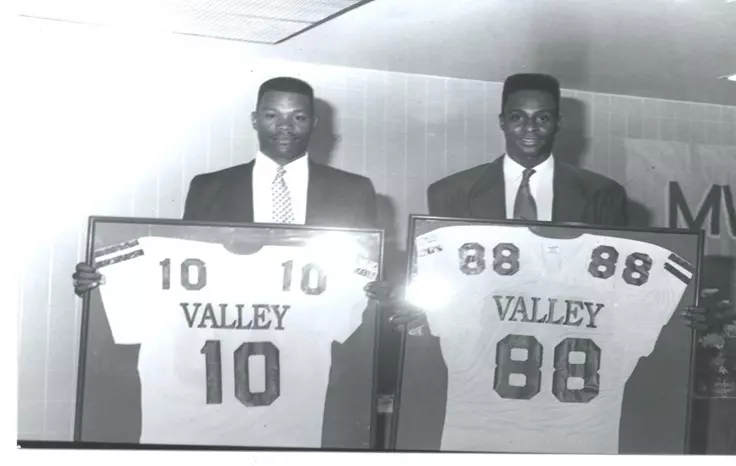
The recognizable names driving these numbers put the scale in perspective. The Walter Payton Award is named after a Jackson State alum. Jerry Rice, who holds the all-time records in career receptions, receiving yards and receiving touchdowns, played at Mississippi Valley State. Michael Strahan, the single-season sack record holder, played at Texas Southern. Nearly 10 percent of all players in the Pro Football Hall of Fame attended HBCUs.
Jackson State's first FCS-era pick was defensive tackle Robert Hardy, taken by the Seattle Seahawks in the 10th round of the 1979 draft. The most recent was cornerback Isaiah Bolden, selected by the New England Patriots in the seventh round in 2023. That 44-year span of pipeline production is the foundation of the 43-pick total.
The contrast with today's draft landscape is where Haley's analysis turns most instructive. Alabama A&M offensive lineman Carson Vinson was the lone HBCU player selected in the 2025 NFL Draft, joining Bolden as the only two HBCU football players drafted in the last three years. Not a single HBCU prospect was taken in 2024. The draft numbers have declined for the FCS this decade as player transfers to upper-tier FBS programs have occurred more frequently.
The Analyst's piece emphasizes that draft-production numbers are shaped by eras, and that even after the expansion of scouting networks, HBCUs continued to supply pro talent, a thread that has accelerated again in recent years thanks to initiatives including pro-day cooperatives, HBCU showcase events and growing scouting attention.
The analysis points evaluators toward multiple axes: historical draft counts, recent pro-day performance, combine invites, and the number of current draft-eligible seniors, to produce the clearest FCS-to-NFL scouting picture. Jackson State's 43 picks tells you what the program was. What the next three drafts produce will tell you whether the pipeline is rebuilding or stalled.
This article was produced by Prism’s automated news system from verified source data, official records, and press releases, then run through automated quality and moderation checks before publishing. The system is built and supervised by the people who set the standards it runs under. Read our full AI policy.
Did this article answer your question?