HERO Sports Tracker Lists 220+ FCS-to-FCS Transfers in Jan. 26 Update
HERO Sports tracker update lists 220+ FCS-to-FCS transfers, highlighting roster churn and positional fixes fans should watch during spring drills.
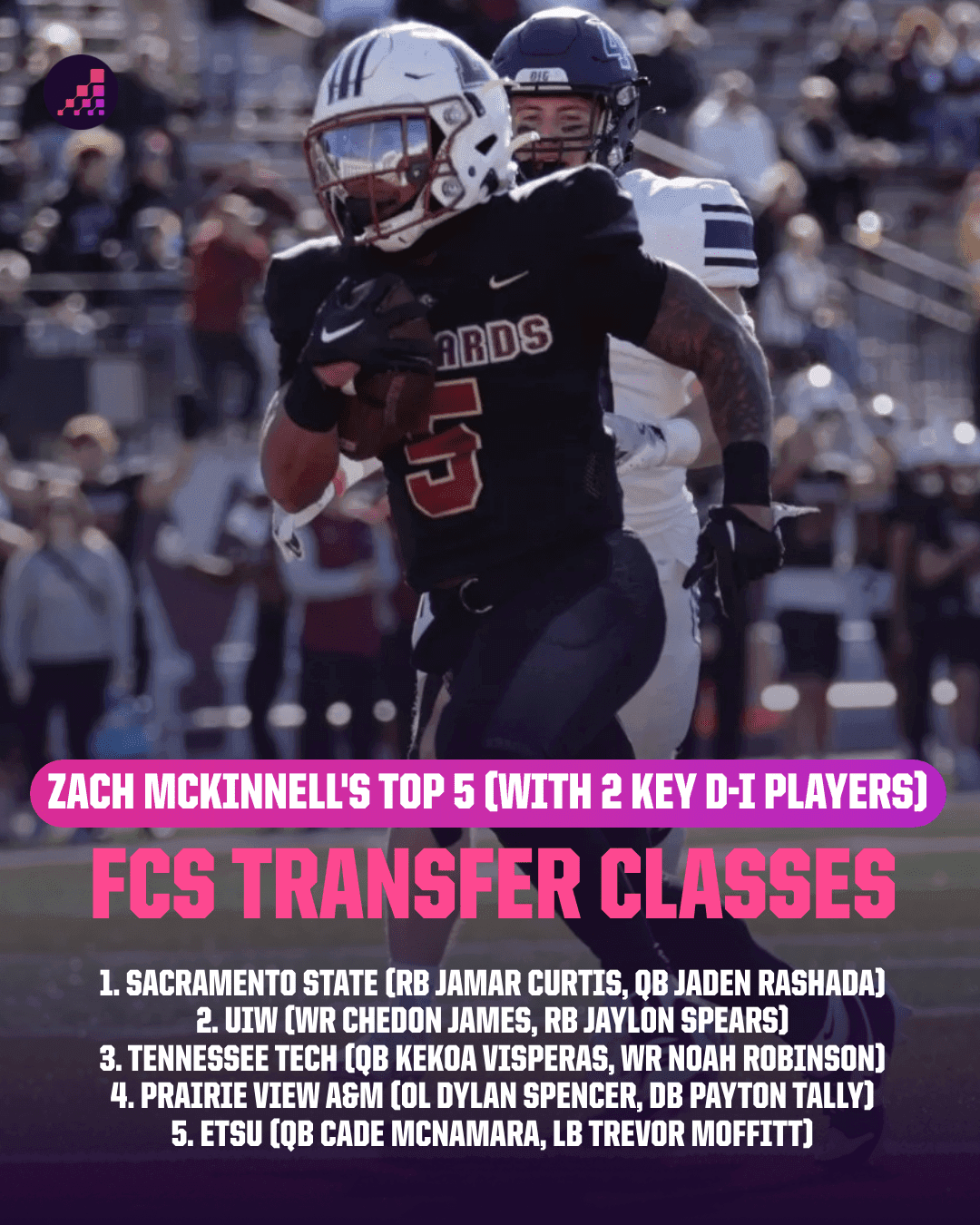
More than 220 Football Championship Subdivision players moved between FCS programs in the Jan. 26 HERO Sports tracker update, a spike in intra-division mobility that will reshape depth charts and special teams as spring practices open. The running tracker lists position, class year and previous team for each entry and continues to be updated through the portal window and after it closes, giving coaches and fans a near real-time view of roster construction.
The recent entries underscore targeted roster building. VMI added defensive back Brooks Martin from Stony Brook, a move that addresses secondary depth for a program that has prioritized speed and coverage versatility in recent recruiting cycles. ETSU gained linebacker Reed Blake-Thomas from Eastern Illinois, a transfer that bolsters linebacker rotation and experience for a Buccaneers defense aiming to tighten run fits. Cal Poly’s acquisition of defensive tackle Nicholas Fernandez from UTRGV strengthens the interior defensive line and could impact gap-control and pass-rush patterns on the Mustang front.
Special teams grabbed attention as Austin Peay signed long snapper Ryan Carter from Idaho State and punter Roman Mathis from Tennessee State. Pairing a specialist for snapping with a new punter is a nod to how finely coached special teams are becoming in the FCS - consistent snapping and field position management can swing close games and are often overlooked in offseason conversations. Tennessee State’s Roman Mathis leaving an HBCU program for Austin Peay also illustrates individual players leveraging the portal for new fits and opportunity.
This wave of transfers reinforces key industry trends. Coaches are using the portal to plug immediate needs rather than relying solely on freshmen development. Programs with experienced staffs and a reputation for quick assimilation gain a competitive advantage in attracting graduate and lateral transfers. The volume also pressures roster management and scholarship allocation, forcing athletic departments to balance short-term competitiveness with long-term recruiting pipelines.

Culturally, the movement reflects growing player agency - athletes are prioritizing playing time, scheme fit, academic options and sometimes geographic preferences. That mobility has social implications for local fan bases and recruiting ties: communities accustomed to multi-year players now see roster turnover accelerate, changing how alumni and local supporters connect with rosters.
For fans and personnel watchers, these entries mean spring practices and depth-chart announcements will be particularly revealing. Watch how Brooks Martin, Reed Blake-Thomas, Nicholas Fernandez, Ryan Carter and Roman Mathis are integrated; their performances in drills and spring games will signal whether these transfers are immediate upgrades or depth pieces. Expect the HERO Sports tracker to be a useful barometer as programs finalize rosters ahead of fall.
This article was produced by Prism’s automated news system from verified source data, official records, and press releases, then run through automated quality and moderation checks before publishing. The system is built and supervised by the people who set the standards it runs under. Read our full AI policy.
Did this article answer your question?