How the 24-team FCS playoff bracket works, from byes to Nashville
Eleven automatic bids, 13 at-large spots and only eight byes make November a survival test, with the road to Nashville decided long before the title game.
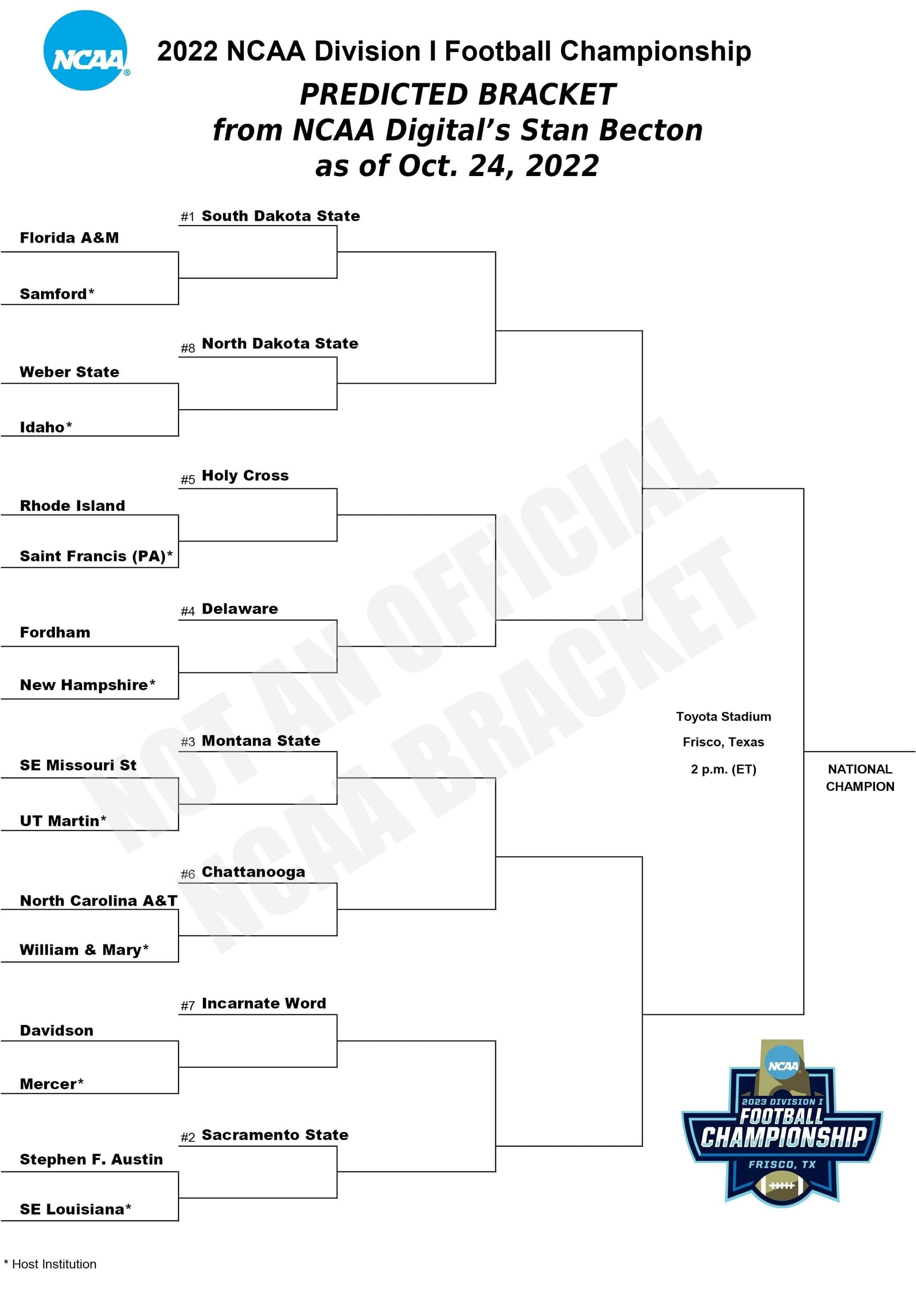
The FCS postseason is where November stops being a résumé month and turns into a survival test. A 24-team bracket means there is room for conference champions and elite at-large teams, but there is no cushion once the games begin. Win the wrong weekend and a contender can go from hosting to traveling, or from a first-round bye to an immediate road assignment.
How the 24-team bracket is built
The current FCS field has 24 teams, with 11 conferences or conference partnerships getting automatic bids and 13 teams chosen at-large by the NCAA Division I Football Championship Committee. Every game is single elimination, which is why late-season swings in the Missouri Valley Football Conference or the Big Sky Conference can change an entire postseason path in a matter of days.
The bracket is not drawn like a basketball free-for-all. Pairings are regionalized and determined by geographical proximity, a practical choice that keeps travel manageable for schools operating with very different budgets and fan bases. That matters because the committee is not just filling slots, it is also trying to keep the bracket workable for teams that may have to cross several states just to survive one weekend.
The committee’s role is what keeps the FCS from becoming a pure automatic-qualifier model. A strong team that misses out on a league title can still get in if its body of work is good enough, which means the race is not only about winning your conference, but also about staying attractive enough to the bracket room if you do not.
Why the seeds are the real prize
The top 16 teams are seeded, and that is where the bracket turns from access into advantage. The top eight seeds receive first-round byes, so they skip the opening weekend entirely and begin one step closer to the title game. Seeds 9 through 16 are paired with unseeded opponents in the first round, and those seeded teams host their opening playoff game.
That distinction is huge in a field where one loss ends the season. A No. 8 seed can spend a week recovering, studying and waiting at home, while a No. 9 seed has to survive a first-round game before the bracket even gets serious. In a sport where one December road trip can change everything, a bye is not a luxury. It is a structural edge.
The 2024 bracket marked the first time 16 teams were seeded in FCS playoff history, following NCAA Board of Governors approval in April 2024. Each seeded team earned the right to host its first playoff game, and the NCAA carried that 16-seed model into the next bracket as well. For contenders, that shift raised the value of every November game: the difference between a top-eight finish and the rest of the field can mean a week off, a home crowd and a far cleaner route to the semifinal round.
The 2025 bracket showed that pressure in real time. North Dakota State was the No. 1 seed, with Montana State and Montana near the top of the field, a reminder that the most powerful FCS brands still build their title path through seeding as much as through winning their leagues. When those teams are sitting in the committee conversation, the question is not just who gets in. It is who gets the shortest road to the final.
Why November shapes the whole path
This is why November carries so much weight in the FCS. A conference title can guarantee entry through an automatic bid, but the bracket also rewards teams that stack enough quality wins to impress the committee. That keeps late-season games meaningful even when a team is not in control of its league race, because a strong finish can still flip a bubble team into the field or a seeded team into a host.
The 2025 field also brought another shift into the automatic-qualifier picture: the Ivy League participated as an automatic qualifier for the first time. The field stayed at 24 teams, but the landscape around it kept evolving, which is part of what makes the FCS so unstable in the best possible way. Every new automatic pathway changes who is competing for at-large oxygen, and every additional qualified team makes the committee’s job that much harder.
That is especially important for schools built around national recognition, not just local relevance. North Dakota State, Montana State and Montana do not just want to make the bracket. They want the seed line, because the seed line decides who gets the bye, who gets to host and whose title path turns brutal on opening weekend.
From four teams in 1978 to a national bracket
The modern bracket looks familiar now, but the history behind it is much smaller and much older. The first Division I-AA championship in 1978 featured a four-team tournament, and Florida A&M beat Massachusetts 35-28 for the title. The subdivision was renamed FCS in 2006, and the field expanded to 24 teams in 2013.
That evolution matters because it explains the sport’s identity. FCS football moved from a compact, invite-style postseason to a national bracket with automatic access, at-large selection and seeded hosting advantages. The current system is recent compared with the subdivision’s longer history, but it is now the stage on which the entire season is judged.
Why the title game now ends in Nashville
The final stop for this bracket is FirstBank Stadium on the campus of Vanderbilt University in Nashville, Tennessee. The 2025-26 FCS national championship game was scheduled for Jan. 5, 2026, at 7:30 p.m. ET, giving the bracket a new January home for that cycle.
The move from Frisco, Texas, to Nashville for the 2025 and 2026 seasons came because of stadium renovations in Frisco. That matters because the championship game is one of the subdivision’s biggest visibility moments, the place where the bracket’s geography, seeding and committee decisions are finally distilled into one last game on a national stage.
By the time January arrives, the bracket has already sorted the field into the haves and the travelers. November determines who gets a bye, who gets to host, and who gets forced onto the hardest path. Nashville is where the title is handed out, but the real contest for the trophy begins the moment the committee finishes drawing the field.
This article was produced by Prism’s automated news system from verified source data, official records, and press releases, then run through automated quality and moderation checks before publishing. The system is built and supervised by the people who set the standards it runs under. Read our full AI policy.
Did this article answer your question?