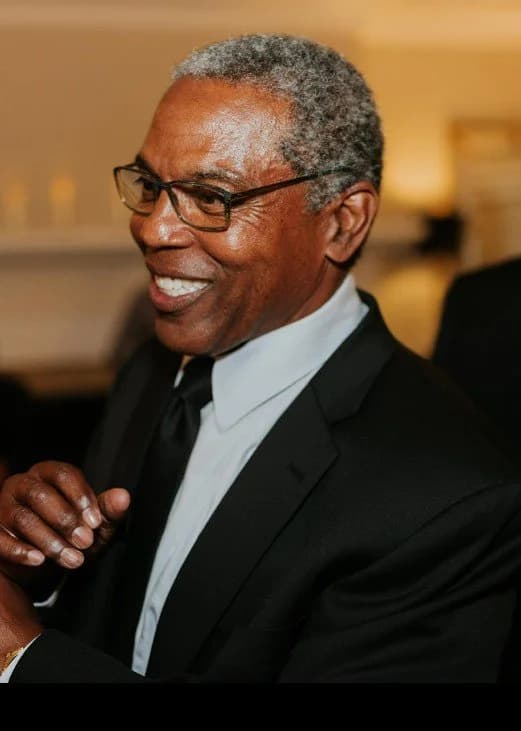
Leon Costello helped build Montana State into FCS powerhouse
Cat-Griz is the pressure test, but Leon Costello turned that heat into a department-wide standard. Montana State now chases FCS titles with a model built on wins, money, and retention.
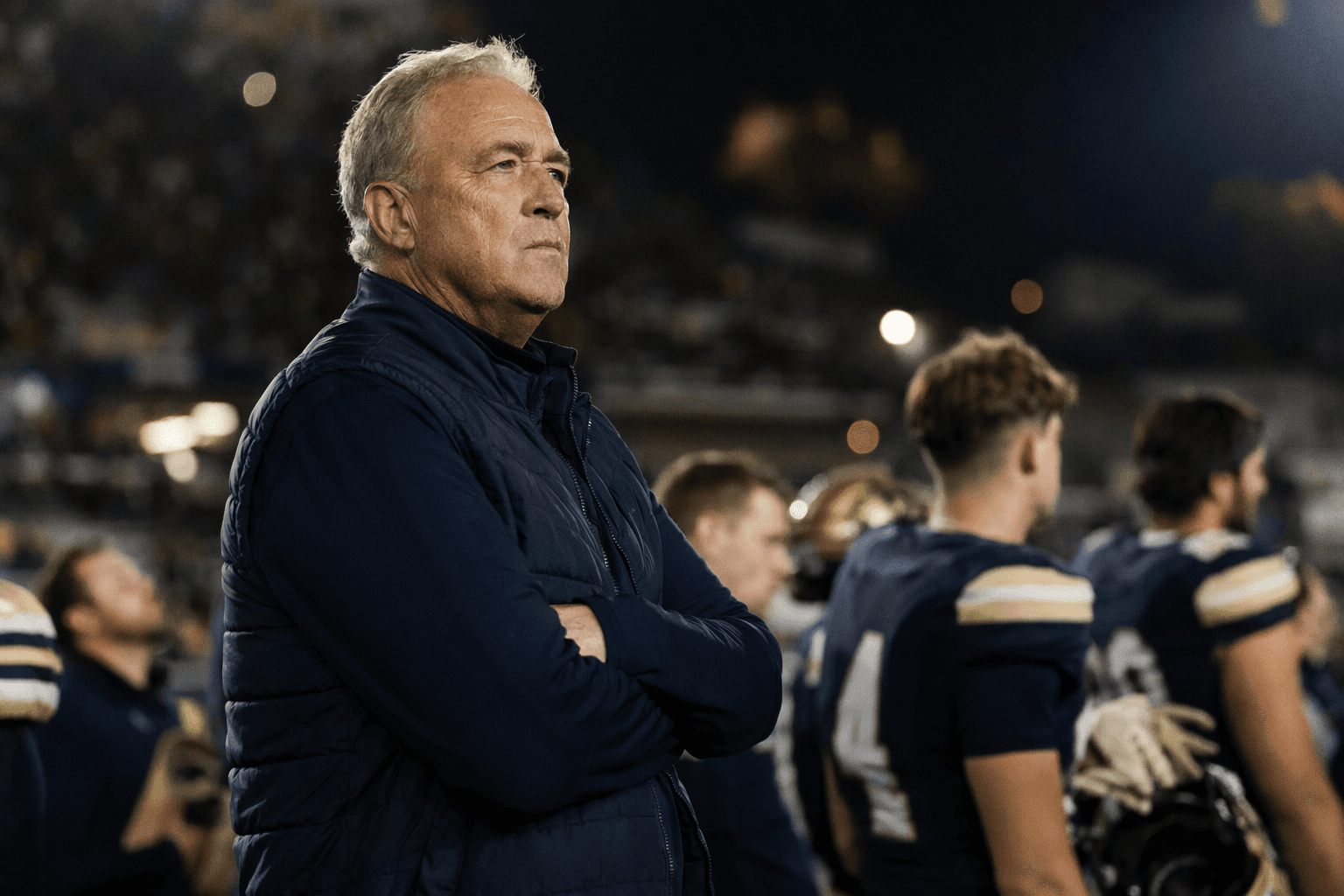
Cat-Griz is the pressure test, and Montana State keeps passing it
The easiest way to understand Leon Costello’s Montana State is through Cat-Griz. The rivalry with Montana is the emotional centerpiece, but it has also become the proving ground for something bigger, a department-wide standard that now reaches far beyond one Saturday in November. Montana State does not just want to win the Brawl of the Wild anymore. It expects to contend for championships across the board, and that expectation starts with the culture Costello has built since arriving in Bozeman in 2016.
That is why the image of Costello and his wife, Heather, sitting down on a Sunday night with a family calendar lined in blue and gold matters so much. It is a small domestic detail, but it explains the larger one: at Montana State, athletics is not an afterthought or a side project. It is the organizing principle. When a school’s athletic director lives inside that rhythm, family, football, fundraising, facilities, and scheduling all start to look like parts of the same machine.
The builder behind the rise
Costello did not arrive in Bozeman as a polished, top-down executive. He climbed the ladder the hard way, starting in entry-level administrative work and learning the college athletics business from the ground up. His path ran from Fairbank, Iowa, to Loras College, then to Western Illinois University for graduate school, before jobs at Northern Iowa from 2003 to 2010 and South Dakota State from 2010 to 2016. Those stops matter because they put him inside successful FCS environments before he ever ran one himself.
That background shows up in the way Montana State operates now. Costello has been the school’s director of athletics since 2016, and Montana State says his first decade in the chair has produced more championships, postseason opportunities, All-America honors, and national academic honors than any similar span in program history. That is not the language of a department that stumbled into a good year. That is the language of a department that believes its habits are repeatable.
The numbers behind the standard
The wins are not confined to football, which is why Montana State’s rise feels structural instead of seasonal. The department says Bobcat teams have won 16 Big Sky championships under Costello’s watch, while the school has added three Big Sky All-Sports Trophies and a Presidents’ Cup. Montana State also says five of its 12 Big Sky programs have won championships since he arrived, and 10 Bobcat programs have sent individual student-athletes to NCAA Championship competition.
That matters in recruiting and retention as much as it does in the trophy case. A program that can point to real, multi-sport success has a stronger pitch when it is trying to keep a starter from entering the portal or sell a top recruit on long-term development. Prospects do not just hear that Montana State wins. They see evidence that athletes in multiple sports are getting to postseason stages, earning honors, and operating in a department that expects excellence.
The Bobcat Club numbers sharpen that case. Giving has nearly tripled, and the university says more than $50 million has been raised for new or renovated facilities. That is the kind of money that changes the feel of a department from the inside. It does not just add square footage. It signals to recruits, coaches, and donors that Montana State intends to stay in the top tier, not visit it.
Football is the headline, but the whole department feeds it
The football program is the loudest proof point. Montana State finished the 2024 regular season 12-0 and won its first outright Big Sky title since 2011, a reminder that this is not a one-off spike. It also earned four of the five major individual football awards from the league’s coaches, which tells you how thoroughly respected the Bobcats were by the end of that perfect run.
That is where Cat-Griz takes on a different meaning. The rivalry still carries all the edge and noise that make it a Big Sky centerpiece, especially with Missoula in the mix, but Montana State now treats that game as one piece of a much larger national expectation. The standard is not simply beating Montana. The standard is entering every playoff conversation with the sort of roster, depth, and consistency that makes 12-0 look like the product of a plan rather than a surprise.
Facilities are part of the recruiting pitch, not just the backdrop
The infrastructure story is just as important as the scoreboard. Montana State’s revised facilities master plan was first introduced in 2017 and updated in 2025, which shows a decade of constant reinvestment rather than a single burst of spending. The Bobcat Athletic Center in the north end zone, a roughly $18 million project completed in 2021, was one visible step in that process.
The new plan points to what comes next: Bobcat Stadium expansion, upgrades to Brick Breeden Fieldhouse and Shroyer Gym, expansion of the Bobcat-Anderson Tennis Center, possible development of Dyche Field, and potential athletic administration and performance space. That is how a program turns success into staying power. Modern facilities do not just help performance. They help retention, give coaches more credibility on the road, and make it easier to sell Montana State as a place where athletes can win now and still see a future.
Why the rest of the Big Sky has to study this model
Costello’s recognition by NACDA as the 2024-25 FCS Athletics Director of the Year in March 2025 was more than a personal trophy. It was confirmation that the model at Montana State has become visible well beyond Bozeman. Waded Cruzado put it plainly, saying the university was privileged to have Costello and crediting him with adding “energy, focus, academic performance, and institutional pride.”
That combination is what makes Montana State dangerous. The football team gives the program national relevance, but the department’s broader record gives it staying power. The school has won the Presidents’ Cup, claimed both men’s and women’s All-Sports Trophies in the same era, stacked academic honors, raised the money, and built the facilities. Under Costello, the Bobcats have also won all nine Brawl of the Wild Trophy Series competitions across sports, a detail that says plenty about how completely the rivalry now runs through the department.
This is why Montana State looks less like a hot run and more like the Big Sky blueprint. Other contenders can copy a schedule, copy a depth chart, even copy a marketing slogan. What they cannot fake is the accumulation of standards, from the family calendar to the fundraising ledger to the 12-0 football season. That is the real Costello effect, and it is why the Bobcats now enter every FCS title race with more than momentum. They bring a model.
This article was produced by Prism’s automated news system from verified source data, official records, and press releases, then run through automated quality and moderation checks before publishing. The system is built and supervised by the people who set the standards it runs under. Read our full AI policy.
Did this article answer your question?