Merrimack’s 2026 schedule blends Northeast rivals with FBS road tests
Merrimack’s 12-game slate is a balancing act, with FBS road money, Northeast familiarity, and a clearer test of how far the Warriors can push as an FCS independent.
A schedule built for survival, not comfort
Merrimack’s 2026 football slate tells the story of an independent program still learning how to live in two worlds at once. On one side are the paycheck-style road trips and the exposure that comes with them. On the other is a thick Northeast core that keeps the Warriors tethered to the region that defines their identity. That tension is the point of the schedule, and it is why this 12-game grind matters well beyond North Andover.

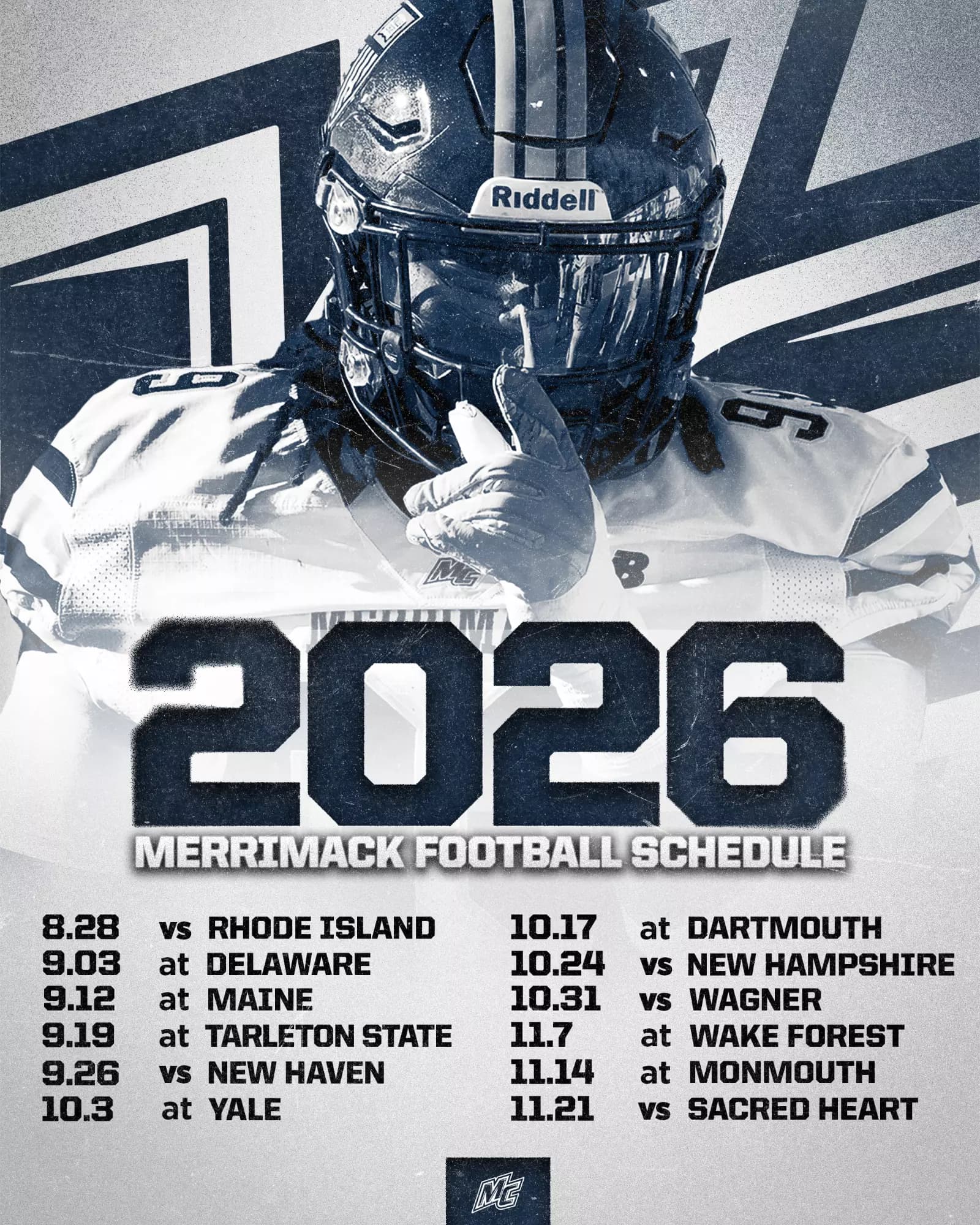
The Warriors are not easing into the year. They open Friday, Aug. 28 at home against Rhode Island, a choice that matters both competitively and symbolically. It gives Merrimack a season opener in North Andover for the first time since 2022 and puts the program in front of its own crowd before the road wear begins. For a school still building its brand as an FCS independent, that home start is a rare chance to set the tone before the calendar turns into a travel test.
The business case behind the grind
The clearest reason this schedule stands out is financial. Merrimack’s trip to Delaware and its later visit to Wake Forest function as the kind of games that help an independent program balance the books while also putting the team on a larger stage. That is the independent-school survival equation in its purest form: take on the revenue and exposure that come with road tests, then try to turn the rest of the schedule into something that still feels local, relevant, and winnable.
That is not a small gamble. A 12-game schedule leaves little margin for error, especially for a program entering its third season as an FCS independent after leaving the Northeast Conference. Merrimack is not just stacking games, it is stacking responsibilities. Every date has to do two jobs at once, helping the program financially or reputationally while also giving head coach Mike Gennetti a realistic path to competitive credibility. Gennetti enters the season with a 9-14 record at the school, which makes the next step less about symbolism and more about measurable progress.
A Northeast identity that still matters
What makes the slate compelling is how heavily it leans into the region even while the program chases broader visibility. Rhode Island, Maine, Yale, Dartmouth, New Hampshire, Wagner, Monmouth, and Sacred Heart give the schedule a strong Northeast footprint. That matters because Merrimack is still trying to define what kind of independent it wants to be. The answer, at least for now, is not a national identity built entirely on novelty. It is a regional program using geography as a competitive advantage.
That regional spine also speaks to the kind of brand Merrimack can realistically sustain. Games against nearby or familiar opponents help keep alumni interest, travel costs, and opponent familiarity aligned in a way that makes sense for a school in this position. They also allow the Warriors to remain part of the broader Northeast football conversation, where rivalries, recruiting relationships, and local relevance still carry real weight. In the FCS, legitimacy is often built as much through consistency of opponent profile as it is through wins, and Merrimack’s slate is clearly trying to earn both.
Where the real tests land
The schedule does not hide the hard parts. After Rhode Island, the Warriors go into a road stretch that immediately asks them to prove they can handle life on the move, with Delaware on Sept. 3, Maine on Sept. 12, and Tarleton State on Sept. 19. That Tarleton trip is notable for another reason, it is Merrimack’s first visit to Stephenville, which adds another layer of unfamiliarity to an already demanding early-season run.
Then the schedule pivots back toward a more familiar rhythm, starting with New Haven at home on Sept. 26 before road games at Yale on Oct. 3 and Dartmouth on Oct. 17. That sequence may look manageable on paper, but it is the kind of stretch that can reveal whether an independent program has enough depth to absorb the constant shift in environment. For Merrimack, each of those games serves a different purpose. Some are about local relevance, some about measuring up against respected regional brands, and some about simply surviving the calendar intact.
What the late-season cluster says about the ceiling
The late season brings the clearest picture of what Merrimack is trying to become. Home games against New Hampshire on Oct. 24, Wagner on Oct. 31, and Sacred Heart on Nov. 21 keep the regional thread alive, while the road trips to Wake Forest on Nov. 7 and Monmouth on Nov. 14 inject the kind of challenge that can elevate the program’s profile if it can stay competitive. That blend is ambitious, but it is also practical. Merrimack is not acting like a team that believes it can ignore geography. It is acting like one that understands region first, reach second.
That is why this schedule feels less like a random collection of opponents and more like a statement about the program’s realistic ceiling. Merrimack is still in the proving stage as an independent, and the 2026 slate shows a team trying to build legitimacy without abandoning the Northeast base that makes sense for its scale and identity. If the Warriors can make the home dates feel meaningful, survive the road punishment, and show they belong in the same conversation as these regional peers, the season will do more than fill a calendar. It will tell the FCS where Merrimack believes it fits.
This article was produced by Prism’s automated news system from verified source data, official records, and press releases, then run through automated quality and moderation checks before publishing. The system is built and supervised by the people who set the standards it runs under. Read our full AI policy.
Did this article answer your question?