Montana State eyes spring answers as FCS standard-bearer returns
Montana State enters spring as the FCS team everyone is chasing, with Justin Lamson, staff changes and depth questions shaping another title push.

Montana State is back in spring practice with a different kind of urgency. The Bobcats are no longer trying to prove they belong in the title conversation, they are trying to show they can stay at the center of it after going 14-2 overall, 8-0 in Big Sky play, and finishing with the 2025 FCS national championship.
That is what makes this spring such a sharp checkpoint. Montana State is the standard now, and every question around the roster carries national-title weight, especially the ones tied to quarterback stability, returning experience, and whether the staff can keep the program hungry after a season that ended with a trophy and a parade.
The quarterback question sits at the center of everything
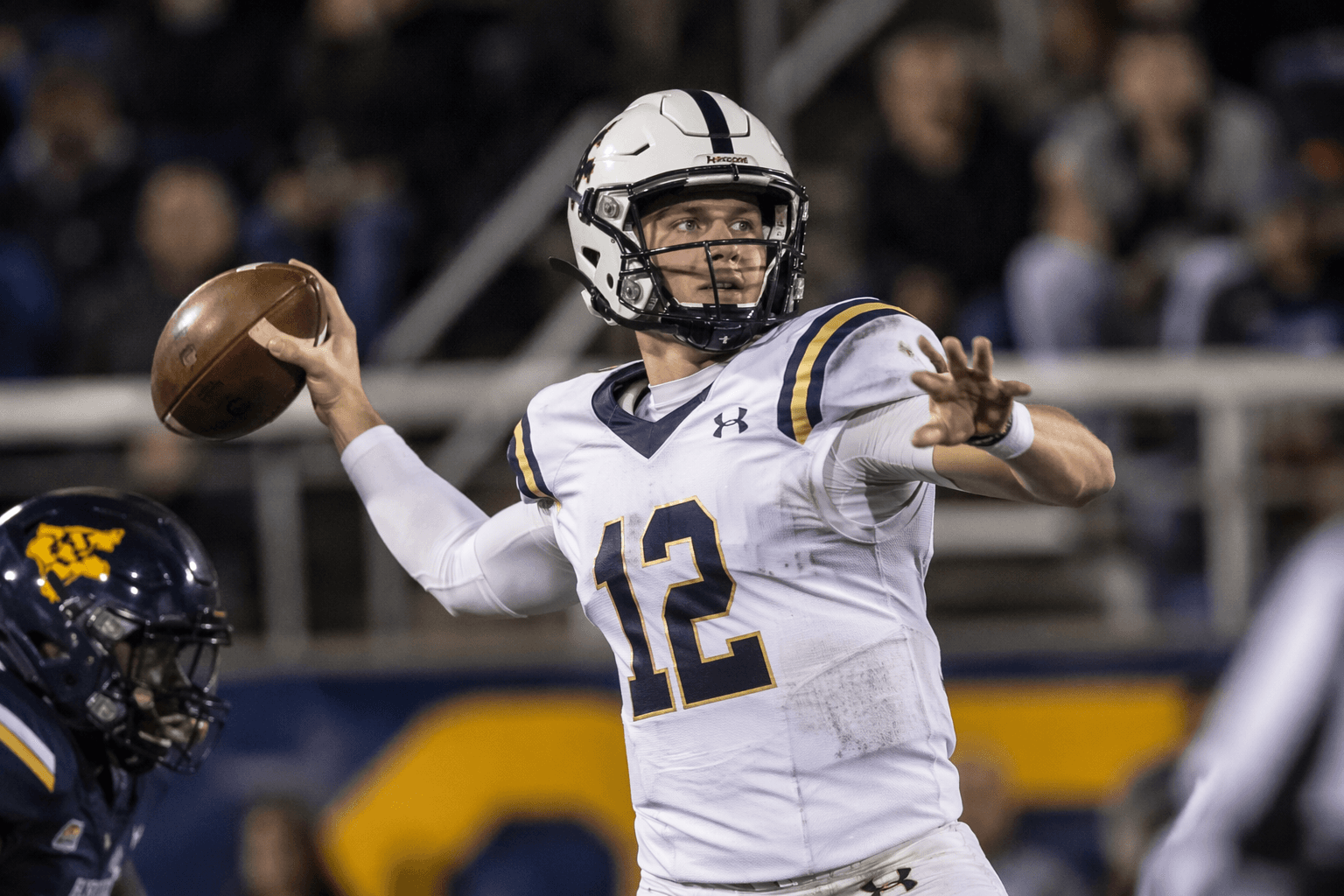
If spring practice has one defining storyline for Montana State, it is the one under center. Justin Lamson is listed as a senior quarterback from El Dorado Hills, California, and his championship-game performance gave the Bobcats a clear reminder of what elite quarterback play looks like when the stakes are highest.
In the overtime win over Illinois State, Lamson completed 18 of 27 passes for 280 yards and two passing touchdowns, then added two rushing scores of his own. He was named the game’s Most Outstanding Player, and his 14-yard touchdown connection with Taco Dowler helped finish off a 35-34 victory that delivered Montana State’s first national title since 1984.
That matters in spring because quarterback is not just a position battle, it is the engine that determines whether a defending champion looks steady or merely experienced. Montana State’s official roster and the way the spring preview frames the team both point to the same conclusion: if Lamson is the same decisive playmaker this fall, the Bobcats remain a national-title threat. If the position shifts in any direction, the entire offensive ceiling changes with it.
The championship changed the program’s standard, and the crowd proved it
Montana State’s title was more than a banner season. It was the program’s second national championship and the end of a 41-year drought, which gave the finish line a cultural weight that stretched well beyond the field. The championship parade and stadium celebration in Bozeman on January 17, 2026, turned that breakthrough into a public event, and Montana State University described the celebration as a “lifetime memory maker.”
The title game itself underscored how thin the margins are at the top of the FCS. Montana State edged Illinois State in overtime on January 5, 2026, and the game drew more than 24,000 fans at Vanderbilt University’s FirstBank Stadium, making it the best-attended FCS championship since 1996. That kind of turnout is not just a footnote, it is a sign of how the Bobcats have expanded the business and cultural footprint of the subdivision.
The result also changes the way spring evaluation works. Montana State is no longer being judged as a fun story or an overachiever on a run. It is being assessed as a program with national relevance, a team that can attract a huge postseason crowd and turn Bozeman into a championship destination. That raises the bar for every position group, every rotation battle, and every practice rep.
Brent Vigen’s sixth year brings continuity, but not comfort
Brent Vigen enters 2026 in his sixth season as head coach, and Montana State continues to describe him as a two-time Big Sky Conference Coach of the Year. That combination of familiarity and accomplishment gives the staff a real advantage, because championship teams usually survive the offseason only when the coaching operation stays sharp and honest about its own standards.
The staff changes matter too. Bobby Daly is back as defensive coordinator after a season at UTEP, and Nolan Askelson joined the staff as an assistant defensive line coach in spring 2026. Those moves signal that Montana State is not treating the championship as a reason to stand still. It is still making sure the front, the structure, and the communication on defense stay at a championship level.
That is especially important for a team whose national reputation now depends on repeatability. The Bobcats can no longer lean on surprise or momentum. They have to keep producing the kind of line play, physicality, and discipline that made them the last team standing. Spring is where that gets tested, because it is the first place a champion can start to look ordinary if details slip.
The spring calendar shows how intentional this checkpoint is
Montana State opened spring football on March 24, 2026, and the schedule is built around a clear evaluation window: 12 practices, two scrimmages, MSU Pro Day on April 2, and the Sonny Holland Spring Classic on April 25. That structure gives the staff enough time to assess depth, settle rotation questions, and see whether the championship core still has the same edge.
The timing matters because spring is the last clean look before summer changes the picture. By the time fall camp arrives, bodies, roles, and expectations can all shift. Right now, Montana State gets to inspect itself while the championship glow is still fresh and the personnel is still largely intact.
The official 2026 football schedule also says the Bobcats will play 12 games, and the program continues to frame game days in Bozeman as a major home-field draw. That is the other side of being the hunted. A team with this much success now carries an infrastructure of attention around it, and that support brings both energy and pressure.
Why the whole FCS is watching
Montana State is the benchmark because it has already proved it can finish the job. It won the Big Sky outright, survived a title game that went to overtime, and brought home a championship that had been 41 years in the making. Now the real question is whether that level can be sustained.
If Lamson keeps the offense stable, if Vigen’s staff keeps the defensive structure intact, and if the spring battles produce the right depth behind the stars, the Bobcats should still look like the team others are chasing. If any of those pieces wobble, the path back to Frisco gets harder for a program that has already shown it knows how to get there.
This article was produced by Prism’s automated news system from verified source data, official records, and press releases, then run through automated quality and moderation checks before publishing. The system is built and supervised by the people who set the standards it runs under. Read our full AI policy.
Did this article answer your question?