NCAA keeps new punt rule despite coaches' overwhelming backlash
The NCAA kept its punt rule after a 61-1 coaches revolt, forcing FCS staffs to redraw punt looks, fake-punt calls and late-game field-position plans.
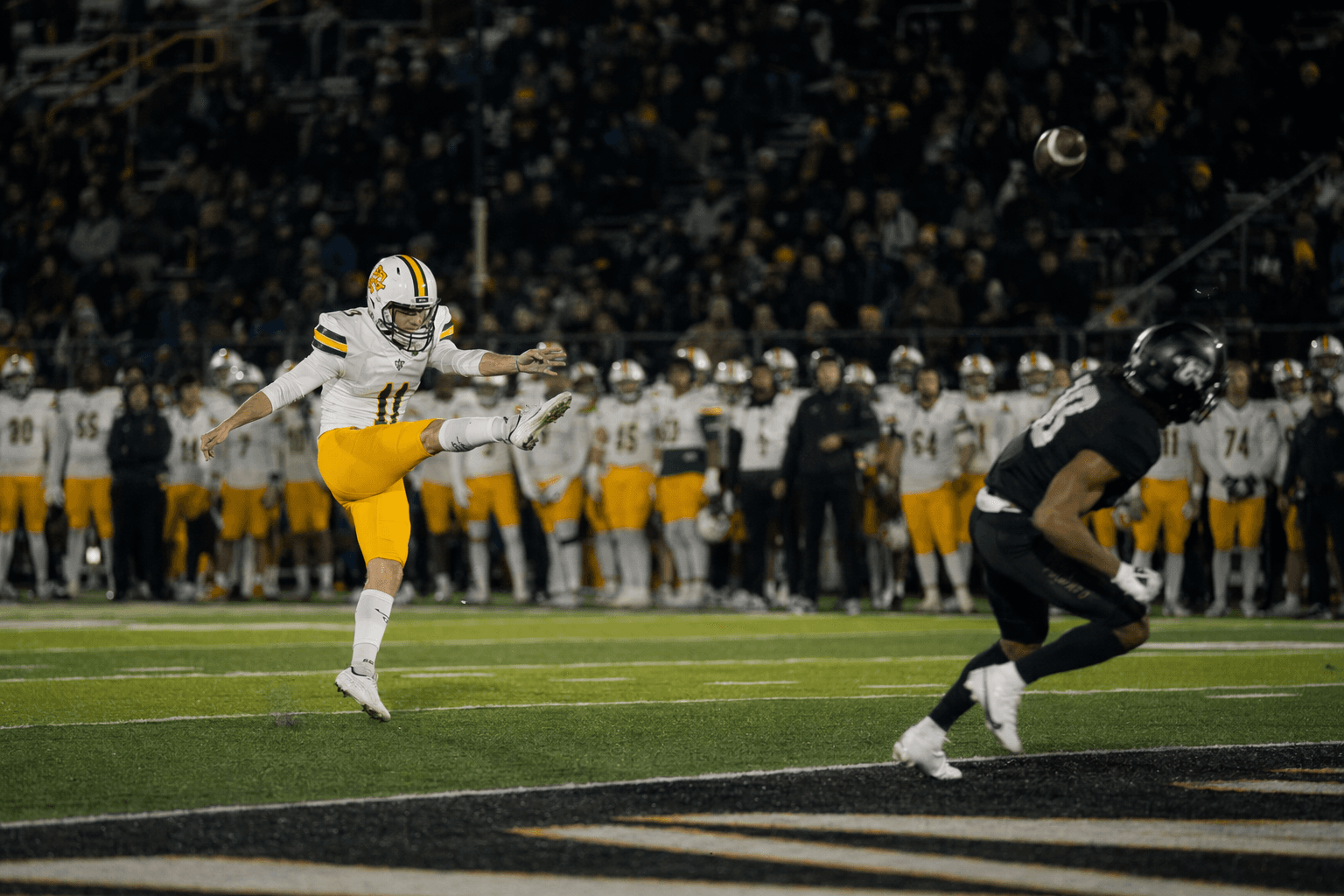
The NCAA is moving ahead with a punt rule that coaches largely tried to stop, and the change could reach deepest into FCS Saturdays, where hidden yards often decide games. Approved by the NCAA Division I Football Bowl Subdivision Oversight Committee on March 19 and set to take effect for the 2026 season, the rule targets punt formations that use jersey number exceptions, the players not wearing numbers 50-79.
Under the new language, the snapper and the two adjacent linemen on either side, if they are lined up in or touching the tackle box, become ineligible receivers by position when the snapper takes his position. NCAA officials say the point is simple: clarify who is eligible in the formation and make punts easier to officiate as teams keep adding more creative alignments and disguises.
Coaches, though, have treated the change like an unnecessary intrusion into one of football’s most inventive phases. An informal survey shared with USA Today reportedly showed a 61-1 vote against the rule among Division I special teams coordinators and head coaches, and several coaches said they learned about it only after it had already been approved. The rule was tucked into the “other” section of the rulebook, a detail that bothered coaches who said there was too little discussion before passage. Public criticism came from Buffalo head coach Pete Lembo, Auburn special teams coordinator Jacob Bronowski and UMass special teams coordinator Joe Castellitto, while New Mexico special teams coordinator Erik Link said he understood the officiating concern but questioned why teams could not simply align differently if all five core players were already being made ineligible by rule.
For FCS programs, the practical effect is bigger than a line in the rulebook. Punt units that leaned on number exceptions to help disguise protectors, launch fakes or create shifting surfaces may have to simplify their designs. That can affect field-position strategy, special teams coaching and late-game decision-making, especially in tight games where one call on fourth-and-8 near midfield can change the entire possession map. Coaches also warned the rule could lead to more blocked punts, fewer trick looks and possible injury risk to punters if protection geometry becomes more predictable.
The NCAA football rules subcommittee had asked both the FBS and FCS oversight committees to approve the package before it became official, and the FCS committee also reviewed the proposals. That makes the backlash even more striking: the people who build punt systems for a living say the rule strips creativity, while NCAA leadership is treating it as an officiating clarification. On Saturdays this fall, the real test will come in the hidden yardage battle, where one enforced detail could turn a routine punt into a scoreboard swing.
This article was produced by Prism’s automated news system from verified source data, official records, and press releases, then run through automated quality and moderation checks before publishing. The system is built and supervised by the people who set the standards it runs under. Read our full AI policy.
Did this article answer your question?