Pro Days and Combines Give FCS Players Crucial Chance to Impress NFL Scouts
When the college season ends, FCS prospects get one more shot to rewrite their NFL story through combines and pro days.
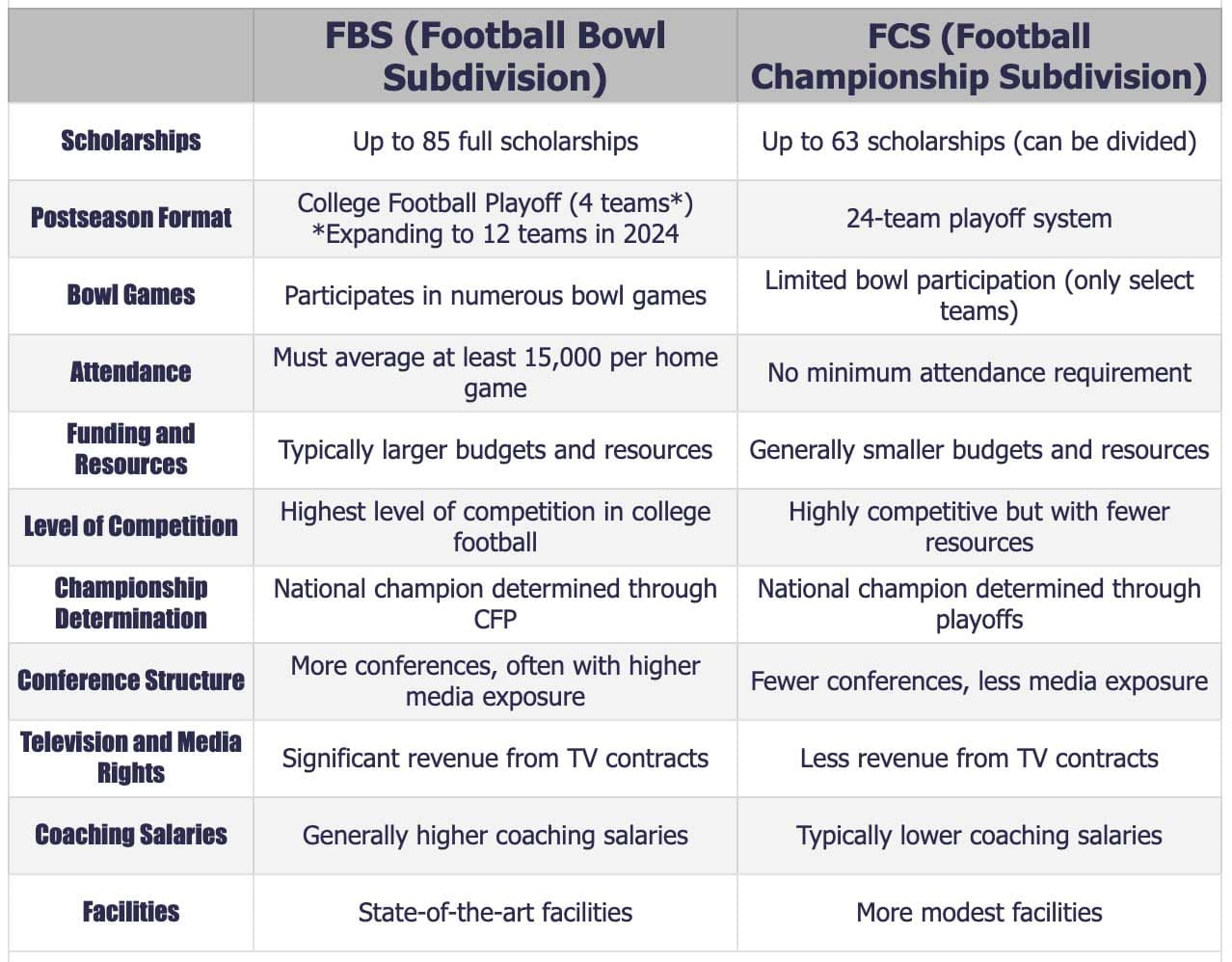
The college football season ends in December, but for players from the Football Championship Subdivision, the real audition is just getting started. While Power Four prospects ride the momentum of bowl games and national television exposure into the pre-draft evaluation period, FCS players arrive at that same window carrying a different burden: they have to overcome the perception gap that comes with competing at a lower level of college football, in smaller stadiums, against less celebrated competition.
That gap is real, and it shapes how NFL scouts approach FCS talent entering the draft process. Pro days and combines are not simply a formality for these players. They are often the single most consequential opportunity to rewrite the professional evaluation that was formed during the college season.
Why the evaluation window hits differently for FCS players
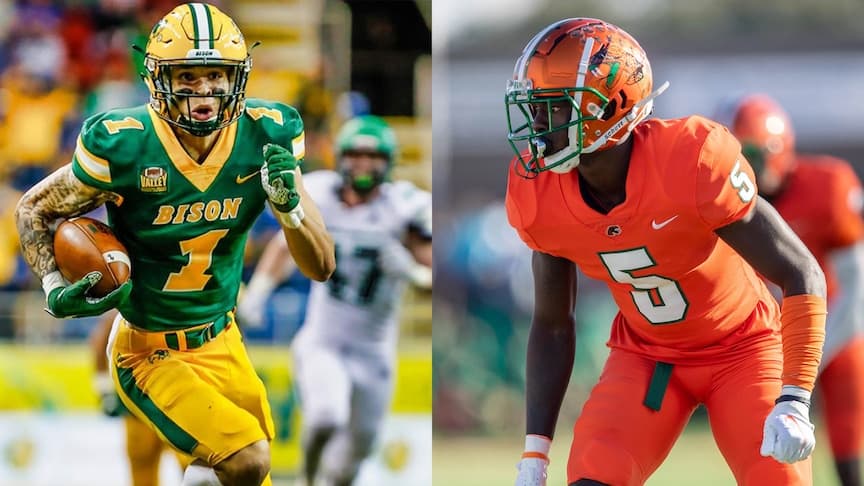
Every NFL prospect goes through some version of the same pre-draft gauntlet: the NFL Scouting Combine in Indianapolis, followed by individual pro days hosted by their college programs, followed by private workouts for interested teams. For players from Alabama or Ohio State, those events are a chance to confirm what scouts already believe. For players from programs like North Dakota State, Sam Houston, or Sacramento State, they serve an entirely different function.
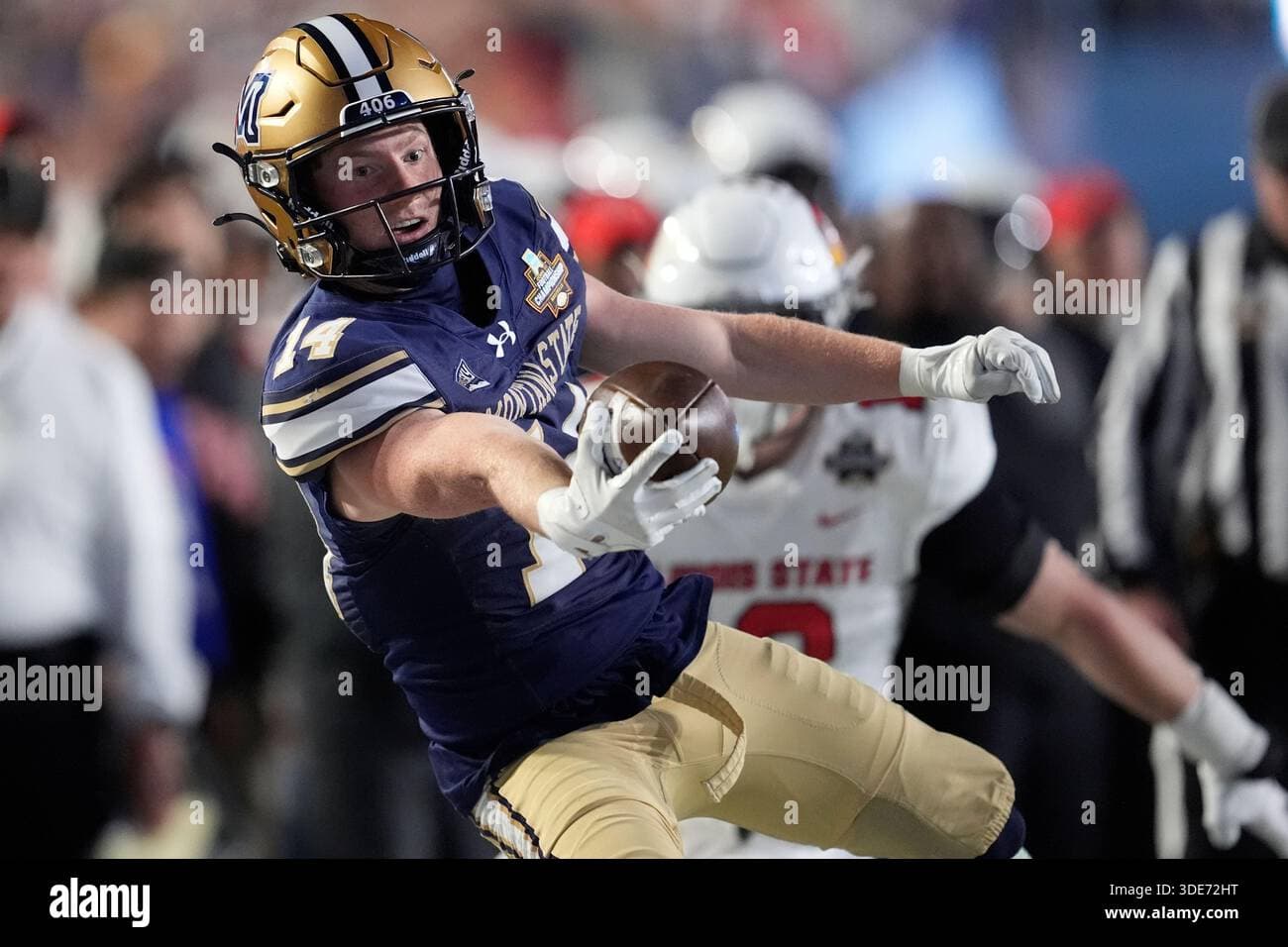
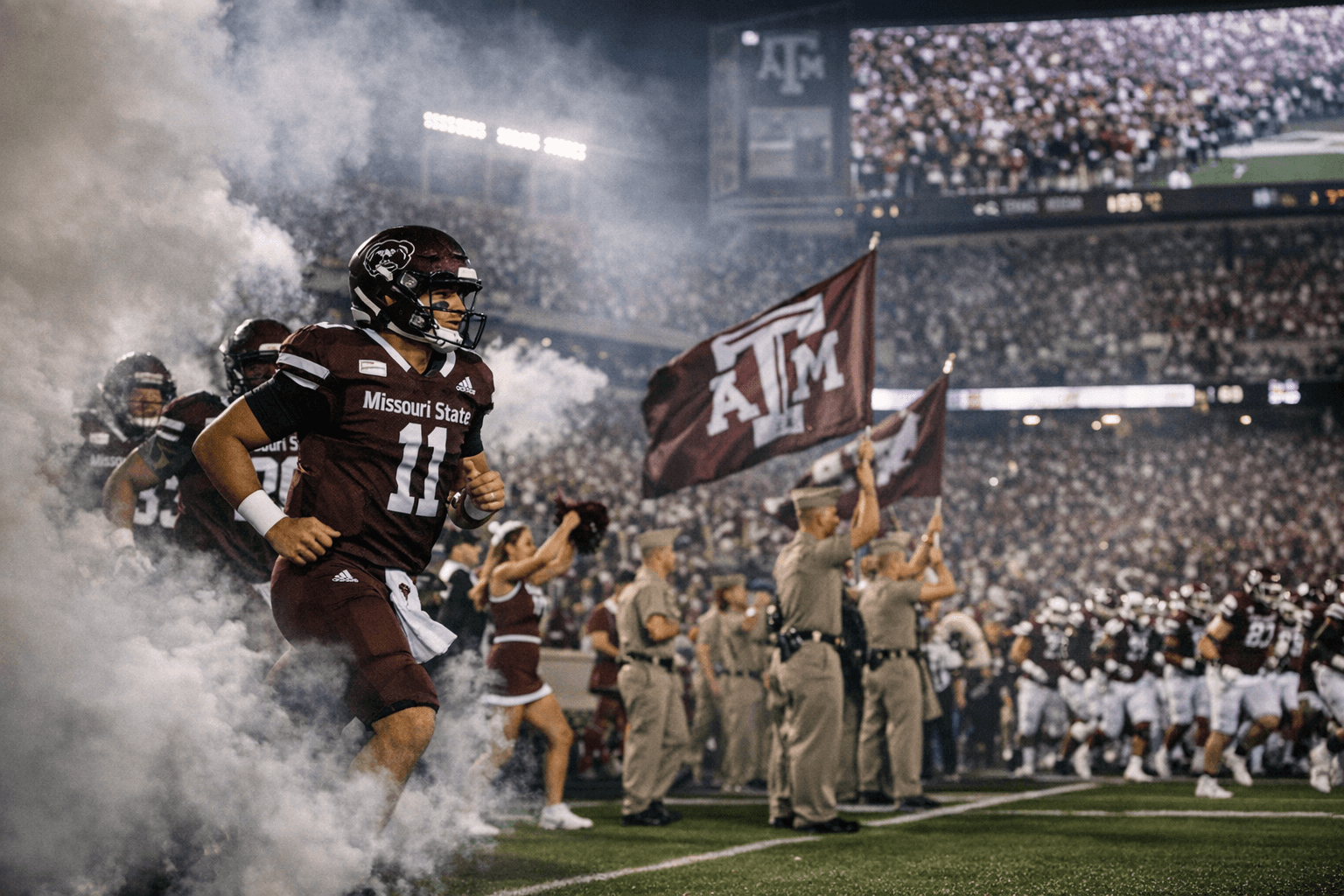
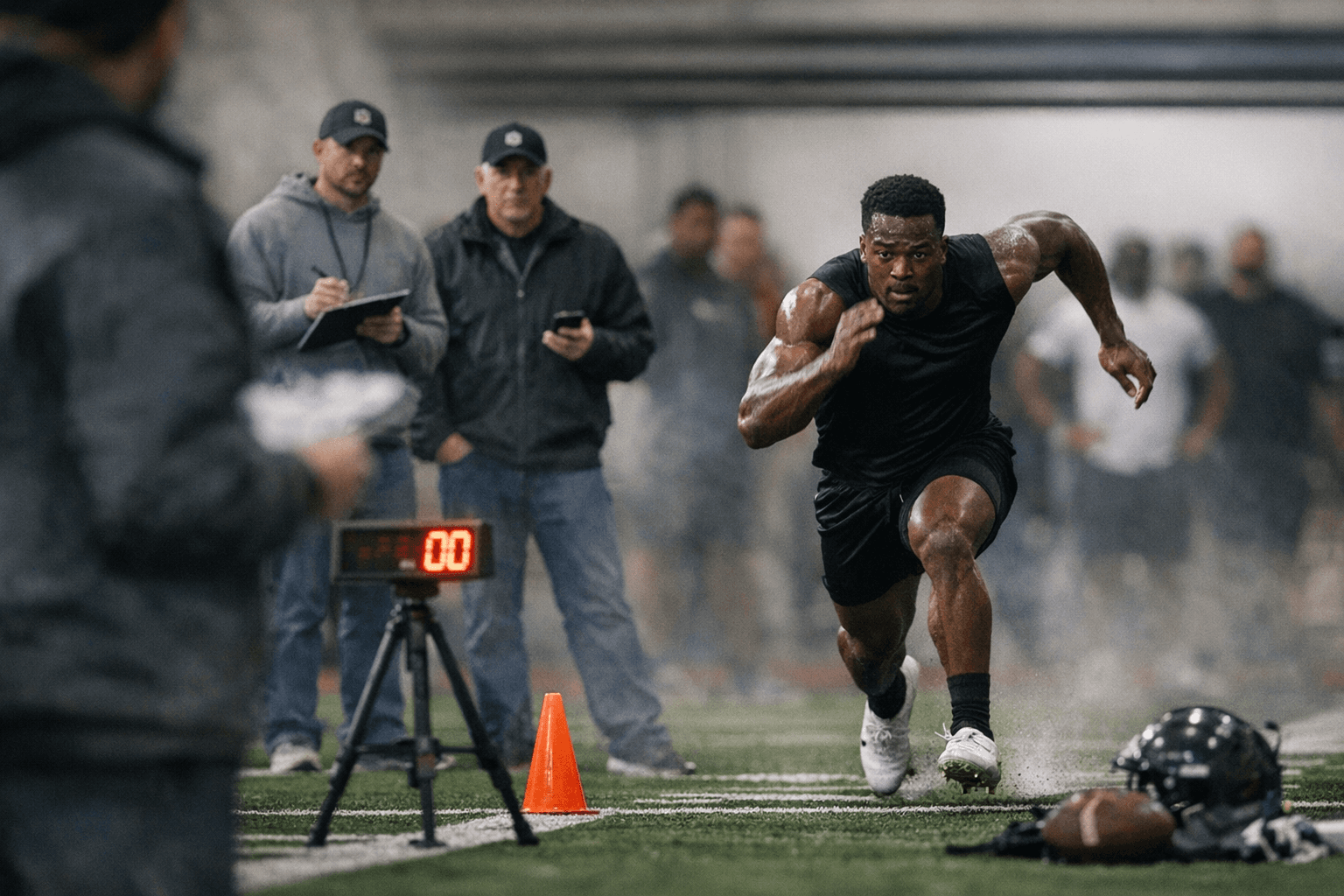
FCS players are asking scouts to reframe what they saw on tape. The athleticism that looked dominant against Missouri State or Southern Illinois needs to translate to measurable numbers that hold up next to players who spent four years in the SEC or Big Ten. The combine and pro day environment strips away the context of conference affiliation and puts everyone on the same field, running the same drills, under the same stopwatches. For an FCS prospect, that standardization is not a disadvantage. It is the great equalizer.
The pre-draft evaluation window is often the most important period for FCS prospects to change professional perceptions formed during the college season. That framing matters because it resets the stakes. A strong forty time, an impressive vertical, a clean showing in position-specific drills, these numbers travel. They get entered into the same databases that hold the measurements of first-round picks. Scouts and general managers can compare them directly, without having to mentally discount for the level of competition.
What scouts are actually looking for
The measurables that matter most vary by position, but the underlying question is consistent: does this player's athleticism project to the NFL level? For skill position players, speed and explosiveness are primary. For offensive and defensive linemen, hand size, arm length, and movement efficiency carry significant weight. Quarterbacks face perhaps the most complex evaluation, with arm strength, release mechanics, and processing speed all under scrutiny.
Beyond the raw numbers, pro days give position coaches and scouts a chance to watch how a player responds to coaching in real time. An FCS prospect who shows up with well-refined technique and the ability to quickly absorb adjustments is communicating something important: that the talent scouts may have discounted because of conference affiliation has been developed, not just relied upon.
The spring evaluation window also functions as an extended interview process. Teams are not only assessing physical tools; they are building a picture of a player's football intelligence, work ethic, and character. For FCS players, whose names appear less frequently in national recruiting databases and pre-draft coverage, that face time with scouts and coaches is often the first real opportunity to make a personal impression on the organizations that will decide their professional futures.
Why spring workouts matter even without games
One of the stranger features of the pre-draft calendar is that it asks players to perform at peak level during a stretch of months when no actual games are being played. For FCS prospects, who often finished their seasons in the FCS playoffs running deep into December, there is a compressed timeline between the end of competition and the beginning of formal evaluations.
That compression demands intentional preparation. Players who use the weeks between the end of the season and their pro day to sharpen position-specific skills, work with trainers who understand the combine environment, and study the tendencies of the teams most likely to be interested in them, arrive with a meaningful advantage over players who simply maintain general fitness.
The absence of games also means there is no new film being generated. The tape from the college season is fixed. What scouts see at a pro day or combine is the only new data point they will get before making draft decisions. That reality gives spring workouts an outsized influence on where a player gets selected, or whether he gets selected at all.
For players who were not heavily recruited out of high school and chose FCS programs for development over immediate exposure, the combine and pro day circuit often represents the first time their athleticism has been formally measured and publicized at a national level. A standout performance does not just move a player up a draft board; it can introduce him to franchises that were not previously tracking him at all.
The bigger picture for FCS football
The success of FCS players in the professional evaluation process has a compounding effect on the subdivision as a whole. Every time a player from an FCS program posts elite combine numbers or earns a roster spot, it signals to scouts that the level of play is worth monitoring consistently, not just in the weeks before the draft.
Programs with established pipelines to the NFL, built through years of players performing well in these evaluation windows, attract stronger recruiting classes and generate more investment in facilities and coaching. The spring evaluation window is not just a career moment for individual players. It is part of the ongoing argument that FCS football develops NFL-caliber talent, and that scouts who overlook it are leaving value on the board.
For the players currently preparing for their pro days and combine appearances, the message from the process itself is clear: the stage is the same as it is for everyone else. What happens on it is entirely up to them.
Know something we missed? Have a correction or additional information?
Submit a Tip