Southeastern Louisiana’s NFL Draft history shows Southland pipeline to the league
Southeastern Louisiana’s draft ledger is not a one-off. From Calvin Favron to Harlan Miller, the Lions have built a real, if uneven, NFL pipeline.
The number that changes the conversation
Southeastern Louisiana’s case for NFL relevance starts with a clean, hard number: 24 drafted players from 19 alumni. That is not blueblood volume, but it is enough to matter in the modern FCS recruiting battle, where proof of pro development travels fast and every signed name comes with a question about what happens next.
The school’s draft history also gives you something more useful than a vanity total. It shows repetition across eras, not just one lucky burst. The Lions have sent names like Calvin Favron, Donald Dykes, Tony Vereen, Mack Boatner, Bret Wright, Robert Alford and Harlan Miller into the draft ledger, which is exactly the kind of paper trail recruits and scouts look for when they want more than a spring hype video.
The eras tell the real story
The first benchmark came early
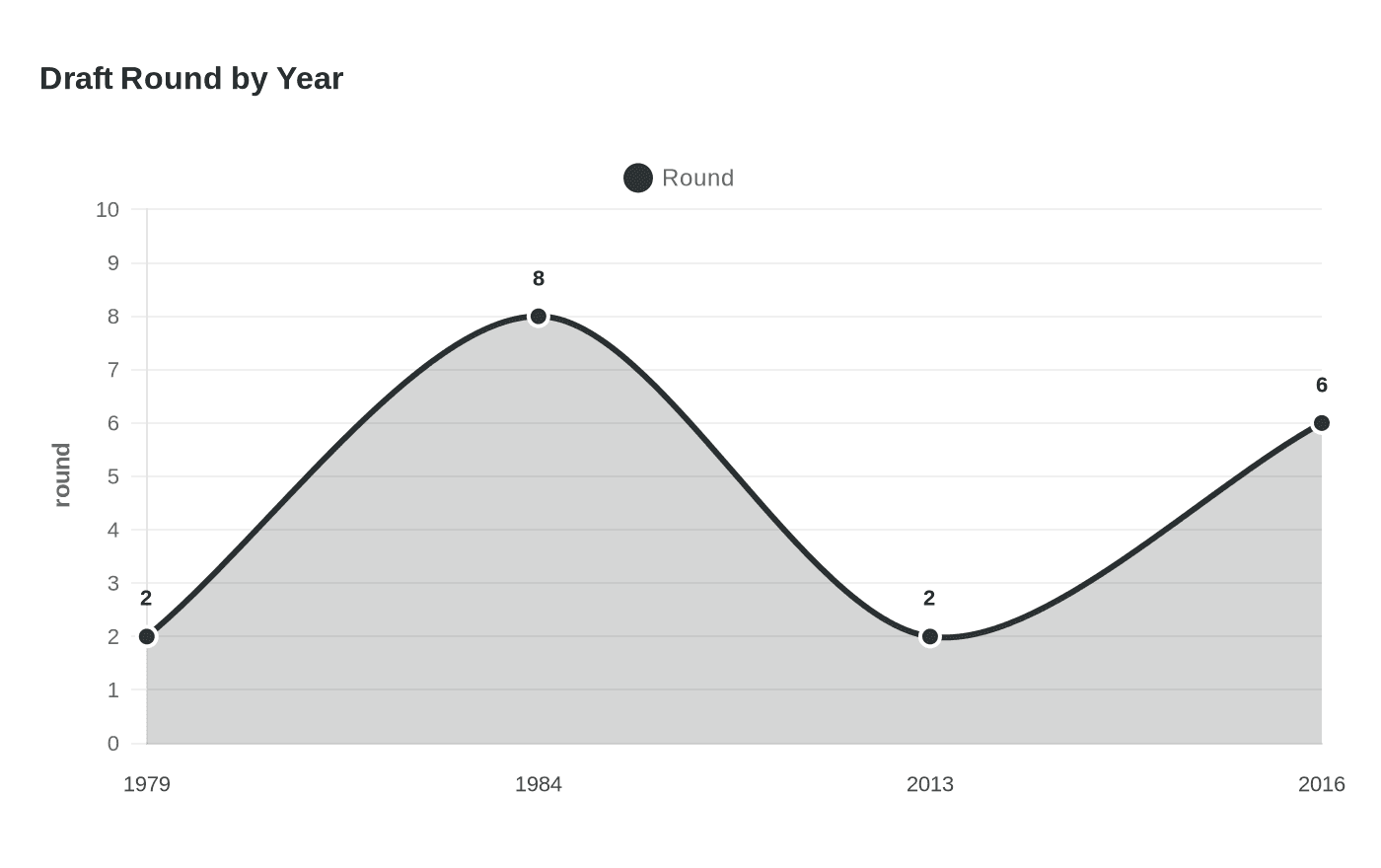
Calvin Favron set the standard in 1979 when the St. Louis Cardinals took him in the second round, 46th overall. That is the kind of pick that changes how a program is viewed, because a second-round selection is not a courtesy call from the league. It says Southeastern Louisiana could produce a player NFL teams were willing to spend real capital on.
Then came the long gap that defines the program’s ceiling
The next landmark in the school’s modern draft story was Bret Wright, selected by the New York Jets in the eighth round in 1984. Then the trail went quiet for decades. That silence matters just as much as the picks, because it shows Southeastern Louisiana has not operated like a conveyor belt factory for NFL talent. It has produced pockets of success, not constant volume.
Robert Alford broke the drought
Robert Alford changed the temperature in 2013 when the Atlanta Falcons took him in the second round, 60th overall. Southeastern’s athletics department called him the first Lion drafted by the NFL since Bret Wright in 1984, and that is the kind of gap that tells you why the Alford pick resonated so loudly in Hammond, La.
Alford’s selection was more than a feel-good moment. It reset the school’s NFL credibility and gave the program a fresh recruiting answer for the inevitable question: prove you can get me there. A second-round corner from a Southland program is not a trivia answer. It is a recruiting weapon.
Harlan Miller kept the line moving
Three years later, Harlan Miller went to the Arizona Cardinals in the sixth round, 205th overall, in 2016. Southeastern said Miller was the 22nd player in school history to be drafted professionally by the NFL or AFL, which reinforces the bigger point: the Lions’ draft history is broader than one or two headline names, even if it comes in uneven waves.
Miller also mattered because his selection showed Alford was not a one-time spike. If Alford proved Southeastern could produce a premium draft pick again, Miller showed the program could keep pushing players into the league conversation. That distinction is everything for a school trying to sell itself as a repeatable development stop instead of a one-season mirage.
Why the pipeline still matters in Hammond
The most important part of Southeastern Louisiana’s NFL story is not the draft count alone. It is the way the program has kept generating league attention under Ron Roberts and beyond. Southeastern said in 2017 that 15 players had received NFL opportunities since Roberts took over prior to the 2012 season, which is the sort of stat that tells you the program was no longer waiting around for one hero to rescue the brand.
By 2026, that attention had widened again. Southeastern said all 32 NFL franchises visited campus in the fall, and that kind of full-league presence is a loud signal. Teams do not all show up to admire a logo. They show up because they believe there is something worth evaluating, whether that is a draftable athlete, a developmental bet or a future camp body who might outplay his résumé.
That is also why the Lions’ recent pro activity matters even when it falls outside the draft itself. Denzel Thompson joined the Seattle Seahawks as a free agent in 2016. Cephus Johnson III and Carlos Washington Jr. signed undrafted free agent deals in 2023. Warren Peeples signed with the Tampa Bay Buccaneers as an undrafted free agent in 2025, and Keydrain Calligan got a rookie camp invite from the Indianapolis Colts that same year.
None of that is cosmetic. In FCS football, undrafted opportunities are part of the pipeline test. If a program can keep putting players in front of NFL staffs, even when they do not hear their names called on draft weekend, it still has real league value. Southeastern Louisiana has shown that kind of access extends beyond the draft board.
What a current recruit should infer from the track record
A recruit looking at Southeastern Louisiana should not see an empty promise of instant draft status. The school’s history is more honest than that. It shows a program that can produce real NFL exits, but usually through a development arc that takes work, patience and a roster fit that lets talent surface.
The clearest lesson is this: the Lions have enough NFL history to matter, but not so much that the story becomes numbingly automatic. Calvin Favron, Robert Alford and Harlan Miller are separated by years, not months. That gap is the proof and the warning at the same time. Southeastern can get players to the league, but the path is more selective than relentless.
For a recruit, that makes the program interesting in a very practical way. If you want a place with genuine NFL contact points, recent league visits, and a track record that includes second-round and mid-round draft picks, Southeastern Louisiana belongs in the conversation. If you want a place where the pro pipeline is guaranteed, no FCS school can honestly sell that.
The smarter read is sharper than either extreme. Southeastern Louisiana is not a historic outlier, but it is not a hollow claim either. The Lions have built enough draft history, enough undrafted traction and enough current league attention to remain a credible Southland pipeline. That is how a program stays relevant in the modern FCS race: not by pretending it produces stars every year, but by proving it can keep sending players through the door to the next level.
This article was produced by Prism’s automated news system from verified source data, official records, and press releases, then run through automated quality and moderation checks before publishing. The system is built and supervised by the people who set the standards it runs under. Read our full AI policy.
Did this article answer your question?