Top Returning FCS Running Backs Set to Shape 2026 Season
Victor Dawson and Luke Yoder headline a loaded returning-backs class, but the real story is how many runners can swing the 2026 playoff race.
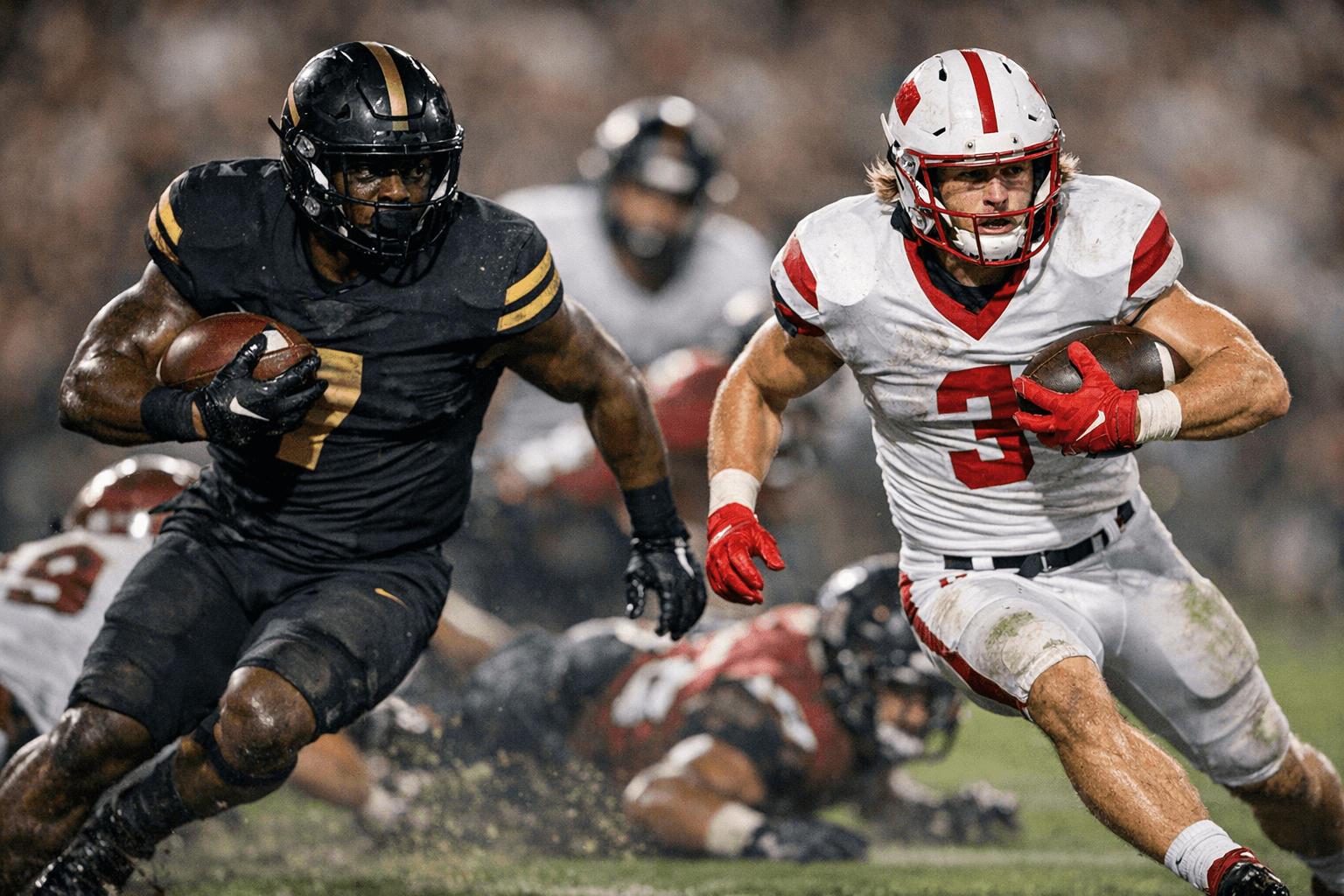
The backs at the top of this ranking are not window dressing. This list weighs production, postseason honors, grading and scheme fit, and it makes one thing clear: the FCS is bringing back real run-game weapons, not just portal noise. Illinois State’s historic road march to the national title game proved the point when Victor Dawson kept the Redbirds alive deep into January.
1. Victor Dawson, Illinois State
Dawson is the kind of back who changes the temperature of a playoff game by himself. He carried 278 times for 1,377 yards and five touchdowns last season, added 32 catches for 176 yards, then turned the postseason into a five-game power surge with rushing totals of 72, 137, 148, 155 and 126 yards.
2. Luke Yoder, Lehigh
If Dawson is the playoff proof, Yoder is the awards case. Lehigh’s star finished with 1,409 rushing yards and 15 touchdowns on 198 carries, and the Mountain Hawks say those 1,409 yards ranked eighth in the FCS and second in program history while he piled up Patriot League Offensive Player of the Year, Walter Payton Award finalist, Stats Perform third-team All-American and AP honorable mention All-American honors.
3. Tylan Hines, Tarleton State
Hines is the first name that shows how deep this ranking really goes. A top-third slot for Tarleton State tells you this is not just a two-man race at the top, it is a list full of backs who can move from conference problem to national storyline with one strong fall.
4. Jaylen Jennings, Arkansas-Pine Bluff
Jennings gives Arkansas-Pine Bluff a place in the conversation that usually belongs to bigger names. His presence in the top third says the ranking is rewarding more than brand recognition, it is rewarding the backs who can tilt games and carry offenses.
5. Carson Gresock, Gardner-Webb
Gresock sits in the part of the list where placement starts to matter almost as much as production. Gardner-Webb landing here means the ranking is not built around only the obvious national powers, it is built around the backs most likely to decide who survives November.
6. Jordan Fisher, UC Davis
Fisher is one of the clearest signs that the returning-back pool stretches far beyond the usual handful of playoff regulars. UC Davis showing up this high says the West has a runner worth circling when seed lines and matchup quality start to matter.
7. Dason Brooks, Idaho State
Brooks helps push Idaho State into the mix of programs with a back that can change the math of a season. In a ranking shaped by production and projection, that kind of slot usually belongs to a player who can turn close games into conference wins.
8. Ja’briel Mace, Villanova
Mace gives Villanova another reason to stay relevant when games tighten and possessions get expensive. His place in the top third suggests the Wildcats have a runner who can keep an offense on schedule instead of asking it to live on big plays alone.
9. Matt Childs, Brown
Childs is one of the names that widens the scope of the entire list. Brown in this tier is a reminder that the best returning backs in the subdivision are not confined to the same few leagues, and that matters when the Ivy League enters the national picture.
10. Ness Davis, Duquesne
Davis looks like the kind of back who makes a team harder to prepare for in December. Duquesne getting a top-third runner strengthens the argument that the gap between a good season and a dangerous one often comes down to one reliable ball carrier.
11. Deantre Jackson, Southeastern
Jackson belongs in the group of runners who can make opponents defend every inch of the field. Southeastern’s place in the ranking shows the Southland still has backs who can turn tempo, field position and workload into real postseason leverage.
12. Xaviah Bascon, Harvard
Bascon brings Harvard into the national running-back conversation in a way that should not be ignored. When an Ivy League back lands this high on a list built around production and accolades, that is not a novelty pick, it is a sign of real impact.
13. Steve Hall, Lindenwood
Hall is the sort of name that reminds you how quickly the FCS can produce a useful back from outside the spotlight. Lindenwood’s inclusion here says the ranking is tracking players who can grow into central offensive pieces, not just names already carrying national hype.
14. Chase Bingmon, Prairie View A&M
Bingmon closes the visible group with the same message that runs through the whole list: the FCS run game is deep and spread out. Prairie View A&M having a back in this tier means there are more offenses than ever with a runner capable of controlling pace and forcing opponents to chase.
What ties the whole ranking together is simple. The backs who can stay efficient on the road, in bad weather and in elimination games are the ones most likely to move seed lines, shape conference races and draw NFL attention. Dawson has the playoff tape, Yoder has the awards stack, and the rest of this group gives the 2026 season a long list of runners who can turn a good offense into a nationally relevant one.
Know something we missed? Have a correction or additional information?
Submit a Tip