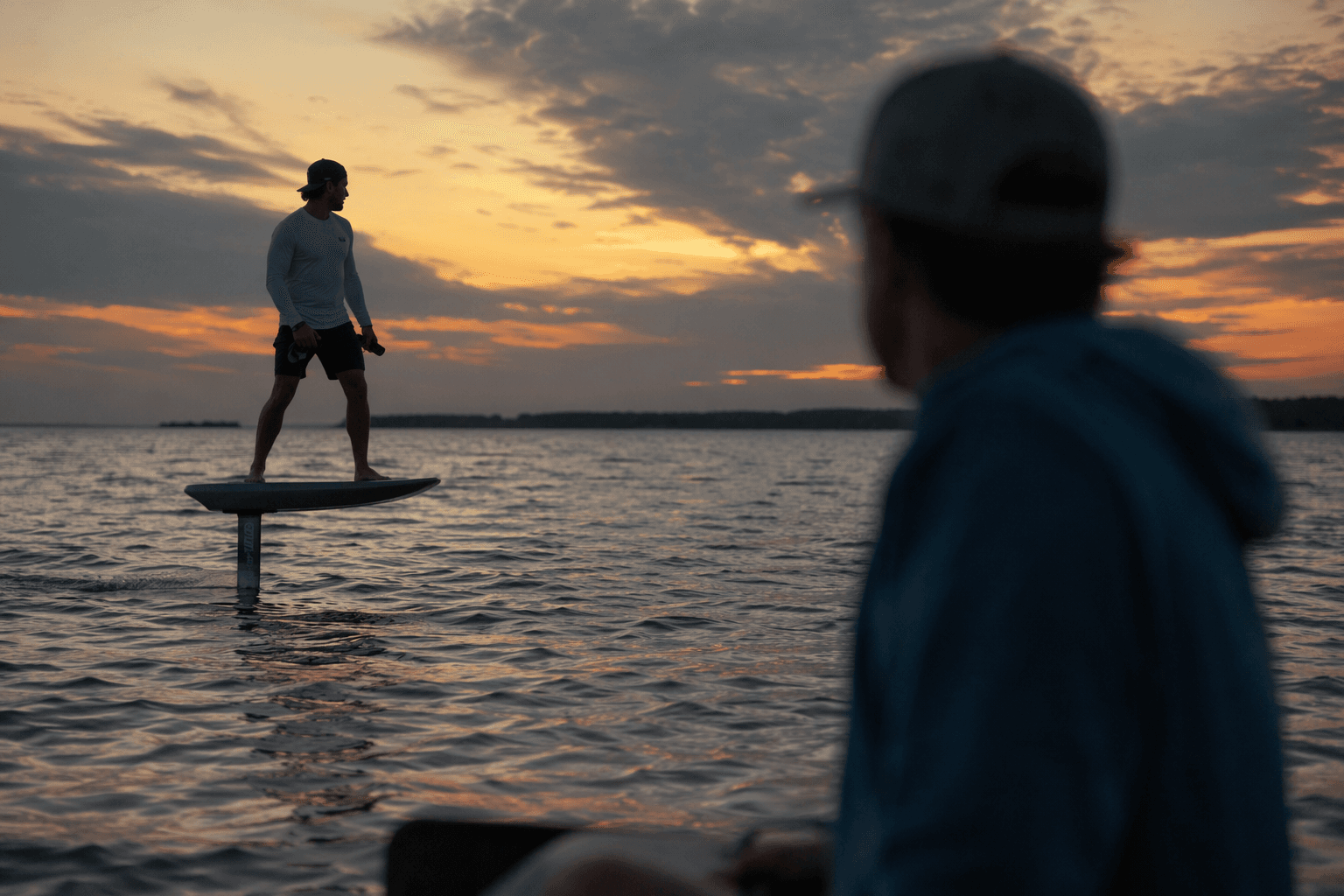
Colombia eFoil Retreats 2026 blends coaching, travel and Caribbean culture
Colombia eFoil Retreats 2026 is built like a six-day training camp with a Caribbean backdrop, pairing daily coaching and water time with Cartagena and Barú Island.

Colombia eFoil Retreats 2026 is trying to solve a very specific problem in foil surfing: how to turn a destination trip into real progression. This is not just a pretty-water package with a board thrown in. It is a six-day retreat built around coaching, repeated sessions, and enough structure that a beginner can learn without getting lost and an experienced rider can still come home faster, cleaner and more confident.
The calendar is split by skill, and that matters
The retreat is scheduled in separate beginner and advanced/pro windows, which is the first sign this is being run like a training product rather than a generic escape. Beginner departures are listed for March 2-7, June 8-13 and September 21-26. Advanced/pro departures are listed for May 20-25, November 2-7 and November 9-14.
That split is not cosmetic. The advanced/pro weeks are led by Justin Chait, and those sessions are built around racing, open-ocean riding, wave sessions, island hopping and technical refinement. In other words, the pitch to stronger riders is not simply "come ride in Colombia." It is "come get pushed in varied conditions with a rider-coach who knows what clean efficiency looks like."
The six-day structure also gives the retreat a training-week rhythm. You are not squeezing progression into a single afternoon clinic. You are getting repeated sunrise and sunset water sessions, which is where form changes actually stick.
What you get is closer to a coaching camp than a hotel add-on
The package is loaded in a way that tells you exactly what kind of traveler this is meant for. It includes four nights at Aura Hotel Barú or a private villa, one night in a colonial house in Cartagena’s Old Town, all meals, airport transfers, local transport, a catamaran eFoil tour through the Rosario Islands, daily sunrise and sunset eFoiling sessions, professional coaching, video analysis and drone footage of rider progression.
There is also a clear off-water layer: sunset cocktails, live salsa music, a closing dinner, and optional diving plus mobility and stretch sessions. That mix is doing two jobs at once. It keeps the trip social, but it also supports recovery and technique review, which is where a lot of retreats quietly fail if they are really just travel packages in disguise.
For foil surfers, the most important part is the volume and feedback loop. Daily sessions plus video review plus drone footage is the kind of stack that can expose bad stance, overcorrection, or poor line choice quickly. That is where actual improvement comes from, not from one scenic ride and a few photos.
Who this retreat is actually for
The retreat is designed for both beginners and advanced participants, and that broader net is the point. Newer riders get a controlled introduction with coaching and support. More experienced riders get a chance to sharpen technique in warm water and test themselves across different environments, from protected Caribbean water to open-ocean and wave-oriented sessions.
That separation matters because it avoids the biggest trap in premium foiling travel: pretending every rider wants the same thing. Beginners need repetition, calm structure and a coach who can correct mistakes before they become habits. Advanced riders need density, challenge and enough variety that the week feels like more than a resort lap.
Fliteboard’s 2025 Colombia retreat page adds a few details that help explain how the program is run. The retreat group size was 10 participants, beginners received personalized lessons with a coach following by boat, and riders could bring their own eFoil or rent one. The water temperature was listed at about 30 degrees Celsius year-round. That is a major part of the appeal, because warm water lowers friction in the learning process. You spend less time bracing against the elements and more time actually riding.
The setting is scenic, but it is also functional
Cartagena and Barú are not just backdrops. Barú Island is a former peninsula south of Cartagena that is still connected by bridge, and it is heavily oriented toward tourism. That matters because retreat logistics depend on access, transport and a setting that can support multiple sessions a day without turning every movement into a hassle.
The Rosario Islands add another layer. They sit inside Corales del Rosario and San Bernardo National Natural Park, a protected area created to conserve coral reefs, seagrass beds, mangroves and marine life. For a water-sport retreat, that is not a throwaway detail. It means the riding takes place in a fragile marine environment, which raises the stakes around respect for local conditions, environmental care and how a group operates on the water.
Cartagena’s Old Town gives the trip its cultural weight. The city’s old walled center includes the 17th-century fortress of San Felipe de Barajas, along with colonial-era religious and civic buildings that define the district’s historic profile. That is why this retreat reads like more than a surf holiday. The itinerary is stitching together Caribbean riding and a destination with real heritage depth.
Justin Chait gives the coaching side credibility
A retreat like this only works if the coaching is serious enough to justify the travel. Fliteboard identifies Justin Chait as an eFoil world champion and a rider known for racing and instruction, and that is the right kind of profile for an advanced week. Racing chops matter because they usually translate into trim discipline, line choice and speed management, not just flashy riding.
For the advanced/pro dates, that is exactly the value proposition: technical refinement from someone who knows how to make small changes look big on the water. For beginners, the same coach profile matters for a different reason. It signals that the instruction is not just casual hospitality. It is built around progression.
Related coverage featuring Gaetan, the founder of Colombia eFoil, and Justin Chait frames the business as a multi-location flight school and immersive retreat experience on the Isla Barú peninsula near Cartagena. That is the bigger trend here. This is not being sold as a one-off camp. It is part of a larger push to make eFoiling a coaching-and-travel product.
What to verify before you treat it like a serious training week
If you are evaluating this as progression value rather than a vacation upsell, the key questions are practical:
- How many riders are in your week, and how much direct coach time do you get?
- Are you in a beginner, advanced or pro group that matches your actual level?
- If you are bringing your own eFoil, what support is provided on setup and charging?
- If you are renting, what board and battery options are included?
- How much of the day is on-water versus leisure time?
- What safety gear is supplied, and how is boat support handled during sessions?
- If you care about performance gains, how much video review is built into the week?
Those are the details that separate a true training retreat from a scenic package with one or two lessons. The Colombia format has enough concrete coaching, water time and structure to make a real case for itself. The value is not just in the Caribbean setting. It is in the fact that the setting is being used to create repeat sessions, feedback and skill-specific progression.
That is why this retreat stands out in foil surfing right now. It understands that riders will pay for the trip, but they will only come back for the improvement.
This article was produced by Prism’s automated news system from verified source data, official records, and press releases, then run through automated quality and moderation checks before publishing. The system is built and supervised by the people who set the standards it runs under. Read our full AI policy.
Know something we missed? Have a correction or additional information?
Submit a Tip