Eleveight launches WFS V7 wing for easier freeride performance
Eleveight’s WFS V7 adds larger 6.5 and 7.5 sizes, faster setup and a lighter feel, aiming to widen freeride range without losing control.
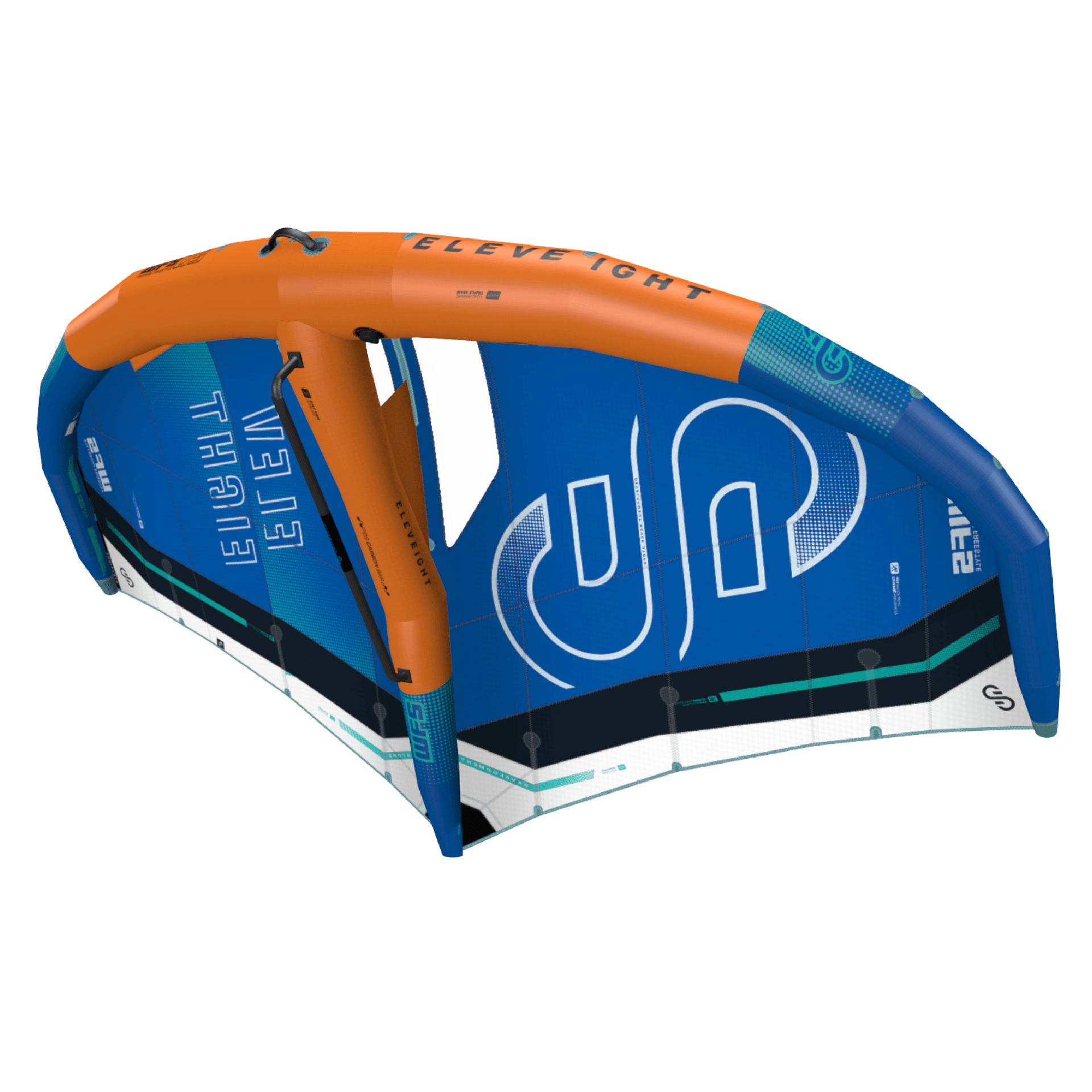
Has Eleveight widened the usable wind range without dulling the feel? The WFS V7 is built to answer yes, with a refreshed handle and valve setup, reinforced seams, larger window panels and new 6.5 and 7.5 sizes that push the freeride wing deeper into everyday-session territory.
Eleveight launched the wing under its This is Freeride banner, and the message is plain: make the wing easier to handle without turning it soft. The WFS V7 uses an ergonomic CS Wing Bar meant to cut fatigue, plus a Push Lock valve designed to speed up inflation and deflation. Eleveight also rebuilt the package around improved fabric construction, XT 2.0 woven material, and a deeper central section that should help the wing feel more planted once the rider is on foil.
The technical brief goes beyond comfort. Eleveight says the WFS V7 is a performance freeride wing with a low-aspect-ratio, single-middle-strut design, optimized canopy tension, a refined V profile and center frame stiffening. The company lists sizes from 2.0 through 7.5, including 6.5LW and 7.5LW, a spread that clearly targets lighter riders, heavier riders and anyone trying to stretch more sessions into marginal wind. Teijin-developed Prime materials, XT 2.0 cloth in the inflatable structure and X6 material in the trailing edges are all part of the build, with Eleveight pitching the result as more direct control, better drift and faster power delivery.
That refinement matters because the WFS line has been in Eleveight’s freeride lane for a while. The Foiling Magazine described the V7 as the seventh evolution of the WFS freeride wing, and the model has long been framed as a crossover freeride option rather than a pure specialist tool. The broader Eleveight wing lineup, which also includes the WFS Pro V2, Chaser and Evolve V4, puts the V7 squarely in the all-around slot, not the race or niche-powder corner of the market.
Retail pricing backs up the everyday-session pitch. One European listing placed the 2026 WFS V7 at €949, a number that puts it in the middle of the freeride field rather than at the premium end reserved for ultra-light specialty builds. The clearest upgrade, though, is practical: faster setup, less arm burn, better visibility through the larger window panels and more usable wind range from a wing that still aims to feel crisp instead of vague.
For riders who want freeride progression without constant wing swaps, the WFS V7 looks built for exactly that compromise. The upgrade is most likely to matter to intermediates moving up, lighter riders who needed more size coverage, and experienced foilers who care as much about clean handling as they do about raw pull.
This article was produced by Prism’s automated news system from verified source data, official records, and press releases, then run through automated quality and moderation checks before publishing. The system is built and supervised by the people who set the standards it runs under. Read our full AI policy.
Did this article answer your question?