ENSIS WALTZ targets flat water, downwind runs and light-wind foiling
ENSIS is chasing the quiver-killer label with the WALTZ, but its real edge is making flat water, downwind and light-wind sessions feel equally accessible.

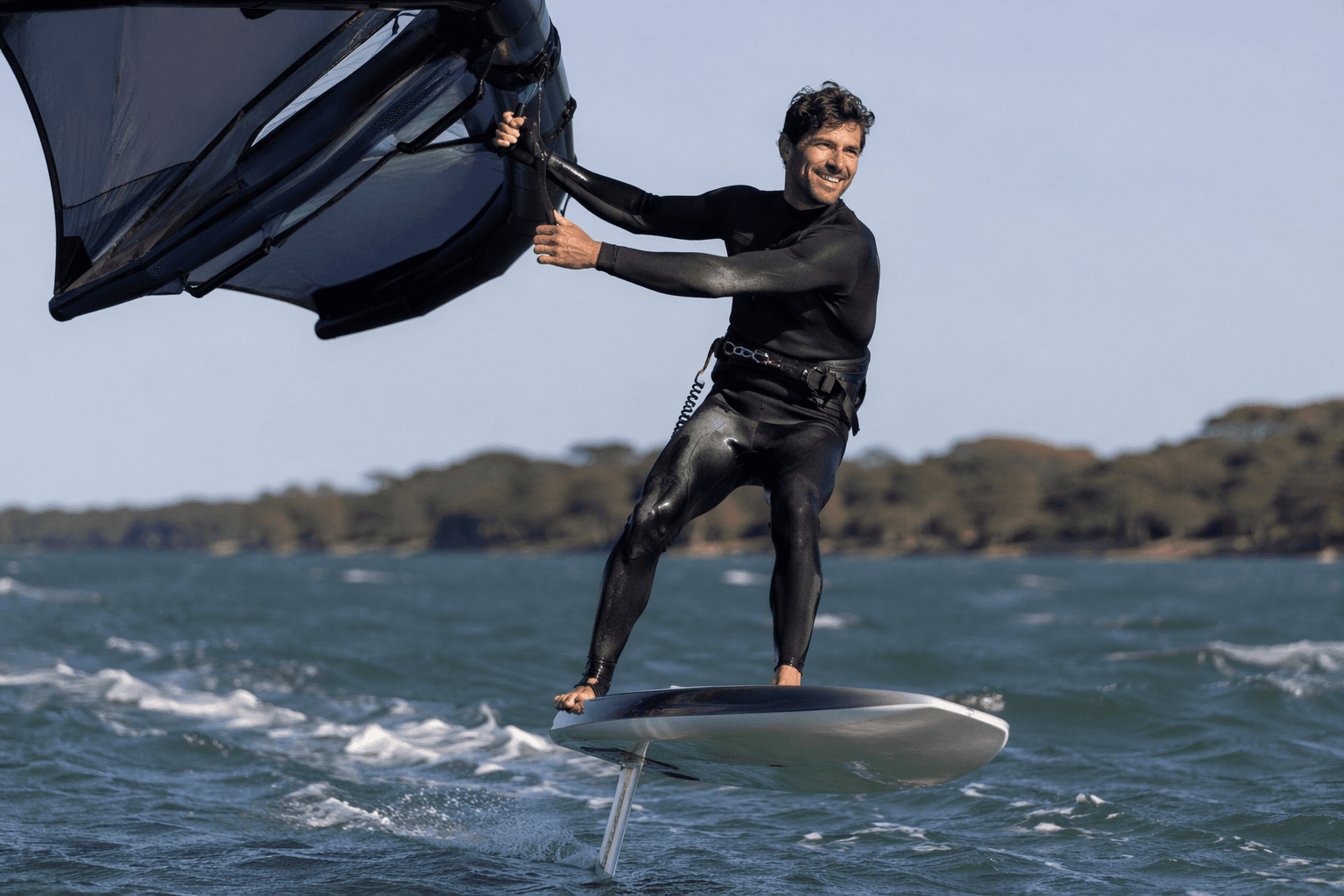
ENSIS is trying to do something most foil boards promise and few actually deliver: turn one shape into a session multiplier. The WALTZ is built for flat water, surf, downwind runs and light-wind wingfoiling, with enough stability to help ambitious beginners and enough adjustability to keep experienced riders interested when the wind is thin or the bumps are running.
A board built for range, not one perfect lane
The WALTZ is not presented as a specialist race weapon or a pure surf foil. ENSIS positions it as a wing foil, parawing foil and SUP foil board for ambitious beginners through experts, and that broader brief is the whole point of the design. It is meant to work for freeride, downwind, lightwind and wave use, which puts it in the crowded middle ground where the best gear often earns its keep.
That middle ground is where the trade-offs matter. A board shaped to handle flat-water pop-ups, paddle downwinders and light-wind wing sessions will usually give up some of the razor-edge sensitivity of a dedicated surf shape, and some of the raw glide efficiency of a pure downwind machine. The WALTZ’s appeal is that it tries to soften those compromises rather than hide them.
Why the shape works across so many sessions
ENSIS leans hard on the details. The board has an optimized waterline, a pintail shape and extra-long foil tracks, with the foil box stretched to 42 cm, or 16 inches, to let riders fine-tune mast placement for different conditions. It also has a recessed deck, steep rails, a wide flat bottom and a nose designed to rebound quickly after touchdowns.
Those parts all point in the same direction: easier starts, cleaner balance and less drama when the ride gets messy. The pintail and wide flat bottom are there to help the board pump efficiently and carry speed, while the recessed deck gives a more direct connection to the foil. The steep rails and directional outline add stability before takeoff and while flying, which is exactly what a crossover board needs if it is going to serve more than one discipline.
Balz Müller’s comments sharpen that picture. He describes ENSIS’s board concept as feeling perfectly balanced when getting on it, tracking straight while pumping, taking off smoothly and staying easy to control in the air. He also points to the brand’s custom carbon sandwich construction as lightweight and solid, which tells you the WALTZ is meant to feel precise rather than soft or vague.
Where the WALTZ helps, and where it compromises
In flat water, the WALTZ’s job is to take away the friction. If you are working on flat-water pop-ups or trying to link pump sequences without wasting energy, the board’s balance and straight tracking are the selling points. The compromise is that a board built to be forgiving there will not feel as knife-like as a narrower specialist when you start demanding instant response.
In surf and downwind use, the WALTZ is more than just usable. ENSIS says it is built for paddle and wing downwinders, SUP foiling in the surf and long glides, and the quick-rebound nose is there for the unavoidable touchdowns that happen when you are linking bumps or dropping back into a wave. Advanced riders will appreciate the control, but they should still expect a broader, more forgiving platform than a dedicated high-performance surf board.
Light wind is where the marketing claim becomes concrete. Montse Solé says she rides the WALTZ 6'3" and that it let her stand on foil on the first light-wind day she used it, then wing in 6-7 knots with minimal effort. That is the strongest case for the board’s crossover value: it lowers the barrier to getting out when the session would otherwise die on the beach. The trade-off is obvious too, because a board this stable and approachable is built to maximize usable sessions, not to feel hyper-reactive once you are lit.
Which rider gets the most out of it
The WALTZ makes the most sense for riders who want one board to cover a lot of water. Ambitious newcomers get a platform that is easier to stand on, easier to paddle and less punishing during takeoff. Experienced riders get a board they can take into marginal conditions without needing to change everything else in the setup.
ENSIS is also using rider size to widen the fit. The board comes in four versions:
- 6'0", 85 liters, 5.9 kg, recommended for riders under 85 kg
- 6'3", 95 liters, 6.2 kg, recommended for riders under 95 kg
- 7'0", 115 liters, 6.9 kg, recommended for riders under 100 kg
- 7'6", 135 liters, 7.4 kg, recommended for riders under 110 kg
Those numbers matter because the WALTZ is not a one-size compromise. A lighter rider looking for a nimble all-round board can stay in the smaller volumes, while heavier riders or anyone prioritizing easier starts and more glide can move up without leaving the platform. ENSIS says the recommended rider weight changes with skill and conditions, which is another clue that the line is built for tuning, not just matching body weight to liters.
A board finding a community, not just a catalog slot
The WALTZ is also showing up inside a growing downwind scene, not only in product copy. Montse Solé says the downwinder community in Barcelona is expanding quickly and names Xavi Masde as one of the pioneers helping bring more riders into the discipline. That matters because a board like this lives or dies on whether it gives developing riders enough confidence to keep showing up in marginal weather.
Laura Rudolph pushes that same idea from another angle, stressing how the board helps with paddling, getting up on foil and choosing a size that fits different riders. Michi Näf highlights its stability and usefulness for light-wind wingfoiling and long downwinders. Taken together, those voices frame the WALTZ as confidence equipment first and specialty equipment second.
The WALTZ concept is already spreading
ENSIS has not treated the WALTZ as a one-off rigid board. The brand has already extended the idea into the WALTZ AIR, an inflatable version aimed at SUP or wing foiling, especially for lightwind sessions and downwind adventures. That move signals a broader bet on travel-friendly, easy-to-store boards for riders who want range without committing to a full garage of shapes.
The rigid WALTZ still carries the sharper identity: a fan-favorite downwind board that is also meant for flat-water pop-ups, surf, lightwind winging and paddle-driven glides. That is the promise, and the design details support it. What separates it from a true quiver replacement is not whether it can do the jobs, but how much specialization it gives up while doing them.
This article was produced by Prism’s automated news system from verified source data, official records, and press releases, then run through automated quality and moderation checks before publishing. The system is built and supervised by the people who set the standards it runs under. Read our full AI policy.
Did this article answer your question?