Guy Bridge completes 250-mile foil board journey along UK coast
Guy Bridge covered 403 kilometers from Exmouth to Folkestone in 19 hours 48 minutes, turning a coast run into a new endurance marker for downwind foiling.
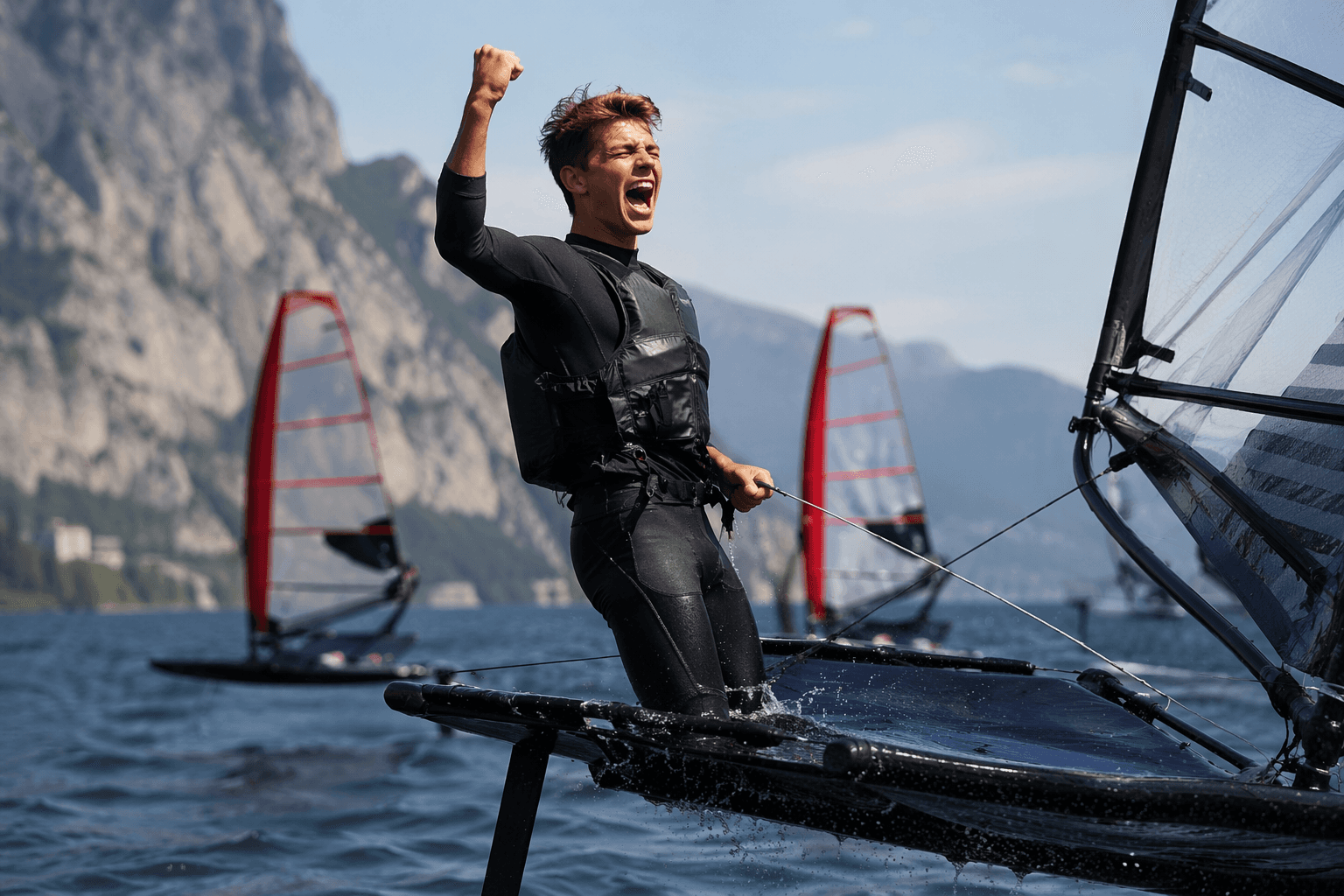
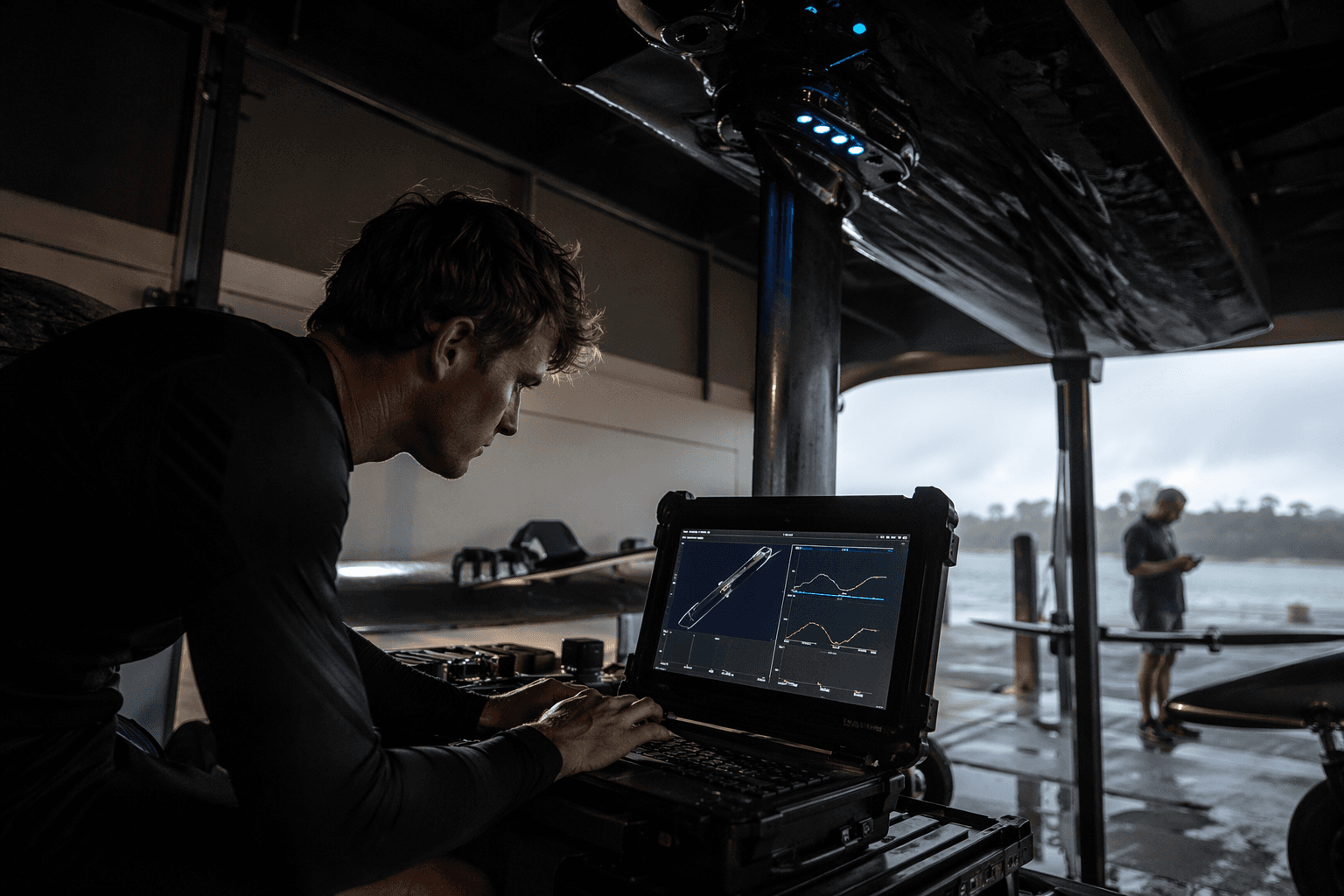
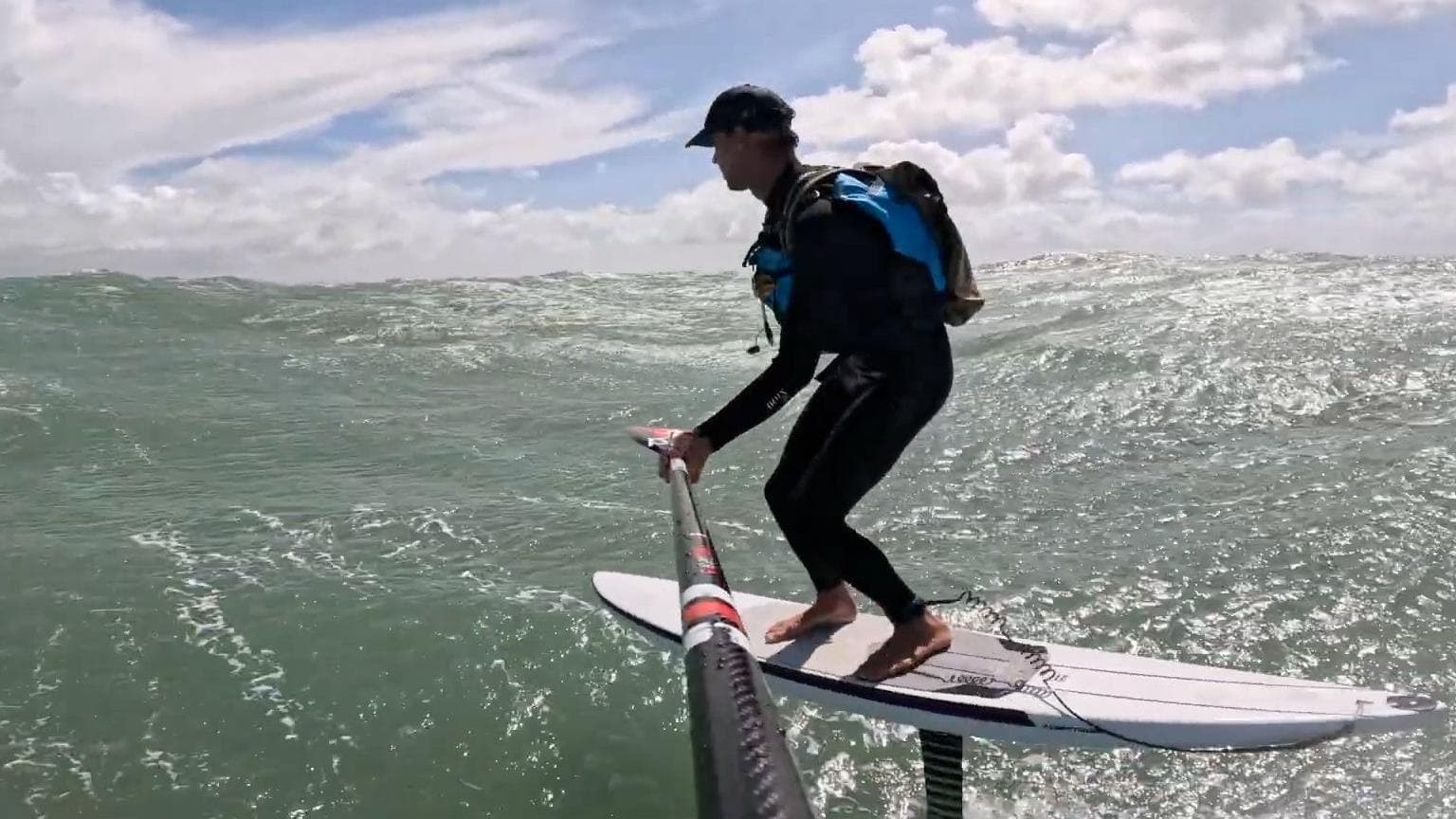
Guy Bridge finished a 250-mile foil board journey from Exmouth, Devon, to Folkestone, Kent, in 19 hours and 48 minutes of moving time, turning a three-day coast run into one of the clearest tests yet of downwind foil endurance. The 26-year-old rode 403 kilometers along the south coast of England without a motor or tow, relying on open-ocean swell and the lift of a hydrofoil to keep the board flying above the water.
The route made the effort more revealing than a straight distance tally. Bridge threaded past Portland Bill in Dorset, one of the hardest stretches on the coast, where tides clash around the Portland Race and create dangerous seas, rocky ledges and shifting sandbanks. That kind of terrain is exactly where downwind foiling is being pressure-tested as a discipline: riders have to read wind, tide and swell together, then keep connecting rolling bumps long enough to preserve speed over serious distance.
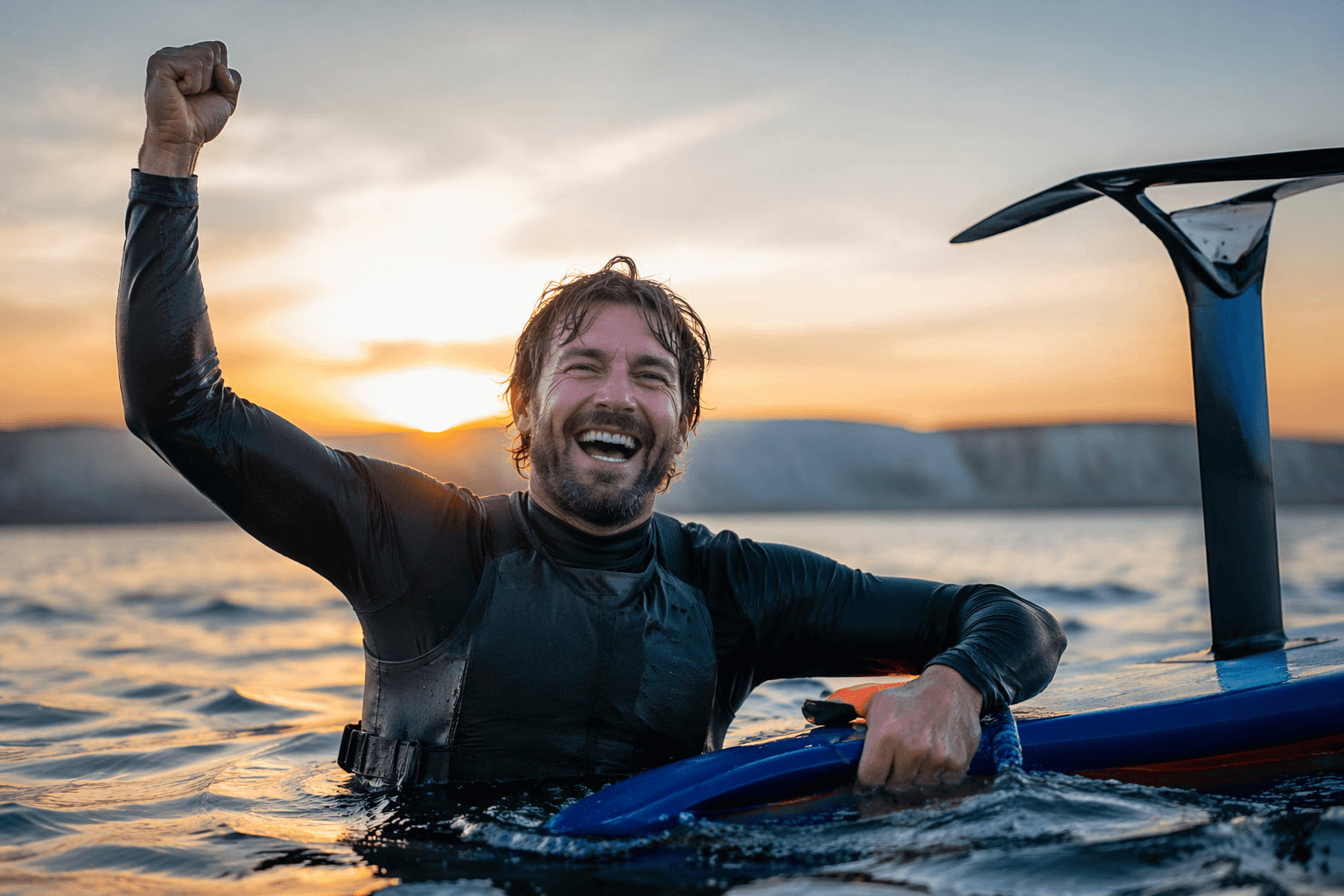
Emma Bridge joined him for one leg in West Sussex, adding a family dimension to a trip that still demanded race-level focus on the water. Bridge’s recent foiling profile already spans wingfoil, surf foil and downwind foiling, and this crossing showed how those skills can combine in open water. Downwind foiling depends on minimizing drag and staying on energy lines in the sea, so the challenge is not just physical stamina but constant micro-adjustment of board angle, speed and line choice as the ocean changes underfoot.
Bridge has described the run as a battle with shifting conditions, with wind, tide and swell interacting in different directions and building steep, unpredictable waves. That is where the sport’s ceiling is moving fastest: riders are learning how to travel farther on less power by using the foil to stay engaged with moving water rather than fighting it. On this route, the practical lesson was clear. Success came from efficiency, not brute force, and from the ability to keep linking one small patch of energy to the next before the board dropped off the foil.
The broader safety backdrop only sharpens the scale of the effort. The RNLI says tide times and heights vary daily and can easily catch people out, and a 2025 survey found 15 percent of British and Irish residents, about 10 million people, are at risk of being cut off by the tide. Against that coastline, Bridge’s crossing was more than a long ride. It looked like a benchmark for what swell-powered foiling can now achieve when route planning, gear setup and ocean reading all line up.
This article was produced by Prism’s automated news system from verified source data, official records, and press releases, then run through automated quality and moderation checks before publishing. The system is built and supervised by the people who set the standards it runs under. Read our full AI policy.
Did this article answer your question?