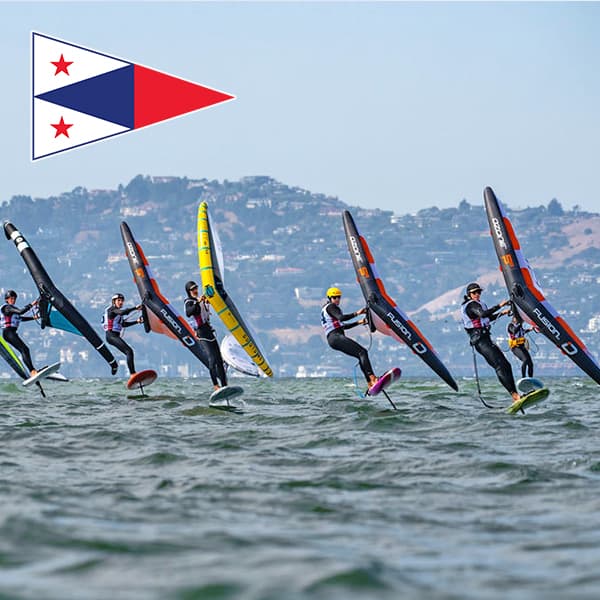
Foiling Magazine guide maps beginner paths into the sport
Foiling Magazine turns a tricky first step into a clear choice chart. The right foil path depends on your water access, gear budget and how fast you want lift.
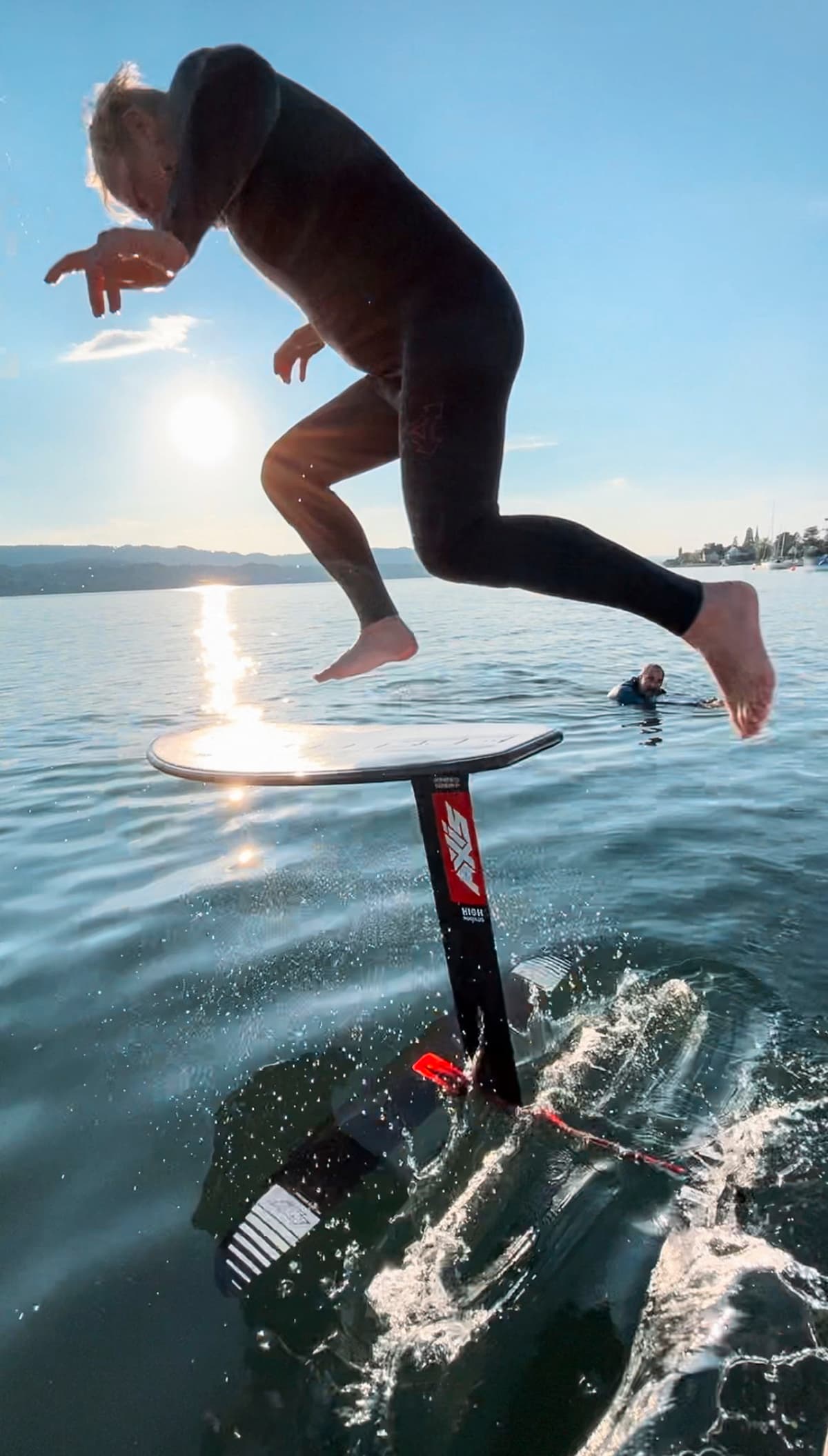
Foiling Magazine’s beginner guide does something most entry points to foiling do not: it helps you choose the right doorway into the sport before you buy the wrong board. By laying out tow, pump, wing, wake, SUP, e-foil and prone surf foil in one place, it turns foiling from a blur of shiny equipment into a set of clear tradeoffs, what water you have, what gear you can access, and how quickly you want your first real glide.
Why this guide matters
The guide is built as a free introduction and was put together by contributing editor Kjell van Sice. That matters because the sport now spans more than one lane, and beginners are often trying to solve the wrong problem first. Foiling Magazine says the guide is meant for anyone looking to learn how to tow, pump, wing, wake, SUP, e-foil and prone surf foil, and it also promises safety and etiquette guidance for first-time foilers.
That breadth fits the way Foiling Magazine has positioned itself since launching in 2019 as the first global magazine for a fast-developing, multi-disciplined sport. It covers surf foil, SUP foil, wing foil, eFoil and wake foil, which gives the beginner guide a practical edge: it is not asking you to become an expert in every foil discipline, only to understand which one actually fits the way you ride and the water you can reach.
Start with access, not aesthetics
The first decision is not which setup looks fastest. It is which setup matches the conditions you already have. If you live near waves, prone surf foiling may be the cleanest start. If you have boat access, tow foiling or wake foiling can give you repeated reps. If your home water is windy, wing foiling opens a different path. If you want the most self-contained session possible, e-foiling removes the need for waves, wind or a tow vehicle.
That access question is also the real cost question. A rider who chooses prone surf foil may be buying into a lower-hardware entry point, but still needs wave access and enough patience to learn the fundamentals. Tow and wake shift the expense into boat or towing access. E-foil brings its own power system into the mix, which gives you freedom from conditions but adds another layer of hardware to understand and maintain. The guide’s value is that it makes those tradeoffs visible before the first purchase.
The paths, and who each one serves
Prone surf foil
Prone surf foil is the most familiar bridge for anyone who already surfs. You paddle into the wave, pop up, and learn how the foil changes the board’s behavior under your feet. Foiling Magazine’s companion Foil Surfing 101 with Kai Lenny reinforces that foundation by focusing on board setup, stance, paddling to the lineup, pop-up technique and foil control.
This path suits riders who want to connect foiling to surfing rather than separate it from surfing. It also teaches patience early, because the payoff comes from wave choice, timing and body position as much as from the board itself.
Tow foiling
Tow foiling gives you a pull that gets you onto foil quickly and repeatedly. That makes it one of the fastest ways to feel lift and learn how the board reacts once it is flying above the water. If your priority is immediate feedback, this is a strong lane.
It works best when you already have access to a boat or a proper towing setup. For a beginner, that can be the difference between a steep learning curve and a manageable one, because you are spending less time chasing the right wave or wind window and more time working on balance and foil control.
Wing foiling
Wing foiling is built for riders who want independence from a boat and do not mind letting the wind dictate the session. The reward is flexibility, because once you have the right conditions you can cover a lot of water and keep building skills across many types of boards and conditions.
It is a natural fit if you already understand wind sports, but it still asks you to learn a new set of habits. The guide’s value here is in framing wing foiling as a discipline with its own logic, not just a shortcut into standing on a foil.

SUP foiling
SUP foiling rewards balance, patience and the ability to use a paddle to create your own entry. It is a smart option if you already stand-up paddle and want a smoother bridge into foil surfing without relying entirely on waves or towing. Because you are already upright before takeoff, the learning curve often feels more about board control than about mastering a pop-up under pressure.
It also gives you a useful crossover path. Riders who start in SUP often carry that balance and water-reading skill into wing foiling or prone surf foiling later.
Wake foiling
Wake foiling is the repetition lane. Behind a boat, the wake becomes a consistent training ground, which helps you isolate what the foil is doing under your feet. That kind of consistency is valuable when you are trying to understand stance, speed and control without the noise of changing surf or shifting wind.
The tradeoff is access. You need a boat, a driver and time on the water, so this path serves riders who care more about reliable reps than about independent sessions.
E-foil
E-foil is the most self-contained path in the group. Lift Foils says it launched the first commercial eFoil in 2018 with the LIFT1, and it describes itself as the company that invented the category. That history underlines how new the modern consumer e-foil market is compared with older surf and wind disciplines.
For beginners, the attraction is obvious: you do not need waves, wind or a tow. You can focus on balance, throttle control and the feel of lift. The caution is just as obvious: self-propelled freedom comes with battery and motor complexity, which makes the first purchase especially consequential.
The beginner edge is fundamentals, not flash
Foiling Magazine’s best move is not simply that it lists every entry point. It also keeps circling back to fundamentals. The Kai Lenny Foil Surfing 101 package centers on setup, stance, paddling, pop-up technique and foil control, which is a reminder that progression in this sport still begins with body position and water sense.
That is why the guide’s advice from Kai Lenny, Zane Schweitzer, Annie Reickert, Brian Grubb and Ivan van Vuuren matters. Their combined perspective stretches across surf, tow, pump and e-foil, so the beginner is not getting a single-discipline sales pitch. Instead, the guide reads like a map of how to avoid buying expensive first gear that does not match your actual water time.
Safety is part of the first lesson
The guide’s safety and etiquette guidance is not an afterthought. In crowded lineups, with sharp foil hardware and mixed-use waterways, the wrong habit can become an avoidable problem fast. That is why the larger surf world’s governance context matters too: the International Surfing Association says it is surfing’s world governing authority recognized by the International Olympic Committee, and its rulebook describes it as the world governing body for surfing and related activities.
The ISA also has a strategic partnership with the International Lifesaving Federation to create a global water-safety course for surfing and stand-up paddle coaches and instructors. Put together with Foiling Magazine’s beginner framing, the message is clear: learning to foil is about more than getting up on foil. It is about learning where you fit in the water and how to stay there safely.
Foiling’s real entry question is not which discipline looks coolest, but which one fits your conditions, your budget and your patience. Get that choice right, and the sport opens quickly; get it wrong, and you spend a lot of money waiting for the water to cooperate.
This article was produced by Prism’s automated news system from verified source data, official records, and press releases, then run through automated quality and moderation checks before publishing. The system is built and supervised by the people who set the standards it runs under. Read our full AI policy.
Know something we missed? Have a correction or additional information?
Submit a Tip