KT Foiling blends Maui prototyping and pro rider testing for 2026
KT’s 2026 push ties Maui testing to boards built for parawing, downwind and foil-assist use, with the Super K 2 and Arc Pro Carbon leading the charge.

KT Foiling is turning Maui prototyping into its sharpest competitive edge for 2026, using rider feedback to shape gear that promises more control, broader speed range and tougher construction across nearly every foiling lane. The brand’s current lineup is organized around parawing, wing, foil assist, prone, downwind, wing race, surf, tow, wake, speed wing, freeride, freestyle and big-wave use cases, a spread that shows KT is not chasing one isolated niche. On the front page, Arc Pro Carbon, Super K 2, Ginxu Dragonfly Crossing 2 Hollow Pro Carbon and the Astro Seamless Boom Wing signal a company trying to build one connected design language across boards and wings.
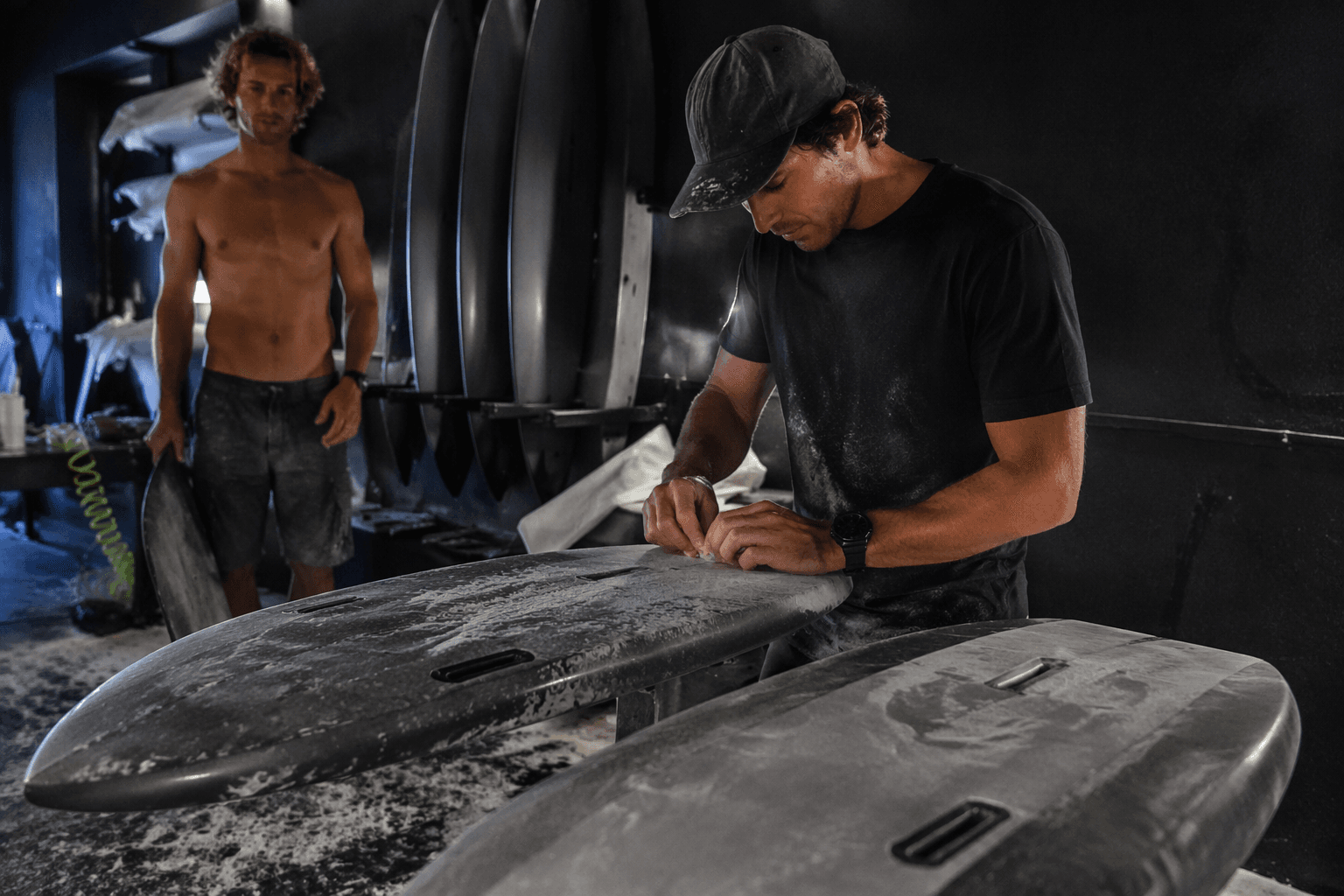
That approach starts with Keith Teboul’s Maui-centered pipeline and the team around him. Teboul, born in Madagascar in 1970 and raised in Guadeloupe from age 10, has carried a board-design lineage through Forward Maui and its links to Quatro and Goya. KT’s pro roster is not window dressing. Kai Lenny, Kane De Wilde, Otis Buckingham, Sarah Hauser, Ridge Lenny and Nathan Berger are part of the development loop, and the brand says it is humbled to work with riders like Kai, Otis, Kane, Logan and the rest of the team. Ideas move quickly from sketch to prototype to beach test, and CNC precision is used to reproduce Maui customs with the same feel in production boards.
The clearest test case is the Super K 2. KT says the board was redesigned through extensive prototyping, rider feedback and advanced construction, then tuned for parawinging, foil assist, prone, winging, downwinding and even SUP foiling. It was also inspired by Kai Lenny’s big-wave guns and earlier Dragonfly iterations, which explains why the board is framed as a midlength that can work in foil-assist sessions while still covering big-wave and performance use cases. The Arc Pro Carbon carries the same logic from a different angle: KT describes it as a parawing-focused midlength that also serves winging and foil assist, a sign that the company is building versatility into the shape rather than bolting it on later.
The broader foil market makes that strategy even more relevant. KT’s foil families, Solus, Apex, Pulse, Halo and Atom, span compact performance options and larger downwind and lightwind sizes, reinforcing the idea that the brand is building a system rather than a single-board story. Maui remains a crucial proving ground, and the Molokai 2 Oahu foil race keeps that standard alive, with foil registration opening March 14, 2026 and the race scheduled for July 20, 2026. Kai Lenny’s Molokai-to-Oahu foil crossing record of 3 hours 26 minutes still defines the bar for glide and efficiency. KT’s real pitch is not mystique; it is that tight rider testing, Maui conditions and disciplined manufacturing can turn elite feedback into production gear that performs where the channel, the wind and the rider all demand more.
This article was produced by Prism’s automated news system from verified source data, official records, and press releases, then run through automated quality and moderation checks before publishing. The system is built and supervised by the people who set the standards it runs under. Read our full AI policy.
Know something we missed? Have a correction or additional information?
Submit a Tip