Lift says eFoil size matters most for riders, not speed or color
Lift's sizing guide puts the real eFoil buying mistake on blast: chasing speed or color before board volume and rider weight. Get the size right, and the ride gets easier fast.

The easiest eFoil mistake to make is also the most expensive: choosing the flashiest board, the fastest top speed, or the best-looking color before matching size to your body. Lift's sizing guide says the first question should be board volume against rider weight, then skill level, because the wrong platform can turn takeoff into a wrestling match. The company also argues that board size and front wing size work as a pair, so the sweet spot is not a single spec but a setup that fits the rider.
Start with size, not hype
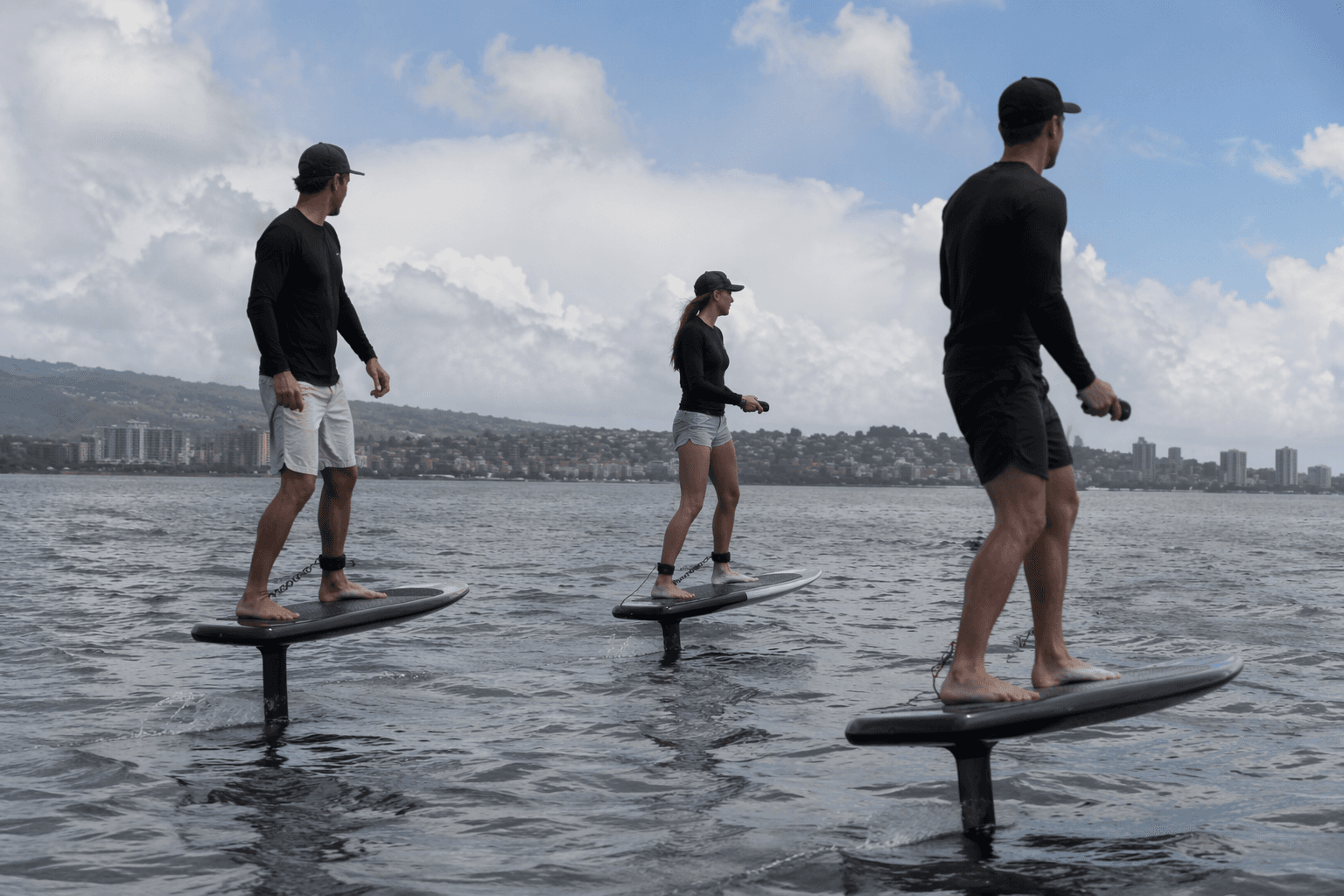
Lift's core point is simple: an eFoil is not just a surfboard with a motor attached. The motor provides thrust, which means the rider's real job is managing lift, balance, and control as the wing pulls the board out of the water. That changes the buying logic immediately, because the board has to support the rider before speed or style matters.
A board that is too small for the rider's weight makes takeoff frustrating, even when the rest of the setup is strong. A front wing that is too large for the rider's speed can make the whole package feel twitchy. Lift's message is that the right setup should make flying feel achievable on day one, not like a fight against the equipment.
How Lift breaks down rider weight
Lift sorts the sizing decision into clear weight bands, and the pattern is built around stability first. Riders under 150 pounds have the most flexibility and can start on a 4'4 or 4'9 board. The 150 to 200 pound range is where the 4'9 becomes the default starting point, because it gives the widest group of riders a mix of stability and progression.
For riders over 200 pounds, Lift steers the conversation toward the 5'4, where the extra volume makes takeoffs easier and gives a more forgiving platform for learning. The company says larger boards make beginner sessions more stable, while smaller boards reward progression once the basics are dialed in. That is the heart of the sizing guide: match the board to the rider's current stage, then think about where the rider wants to go next.
What the current boards tell you
The numbers on Lift's current product pages help explain why those recommendations make sense. The 4'9 LIFT5 Sport is listed at 67 liters and 25 inches wide, a compact but approachable starting point for many riders. The 5'4 LIFT5 Cruiser steps up to 83 liters and 27.5 inches wide, adding the kind of platform size that can calm a learning curve.
Lift also points to two newer 5'4 boards, the LIFTX and the LIFT5 F, which are both described as 70-liter, 24.5-inch-wide platforms for bigger and newer riders up to 220 pounds. The company says the 5'2 is its most stable platform in the lineup at 70 liters and 24.5 inches wide, ideal for bigger or newer riders using LCS. Those figures matter because they show how closely Lift ties stability to volume and width, not just to a board's overall length.
Why modularity changes the purchase decision
Lift frames this sizing advice inside a broader modular ecosystem. The company says it has been building boards and foils for 16 years, and that it launched the first commercial eFoil in 2018 with the LIFT1. Since then, it says the lineup has evolved through LIFT2, LIFT3, LIFT3 F, LIFT4, and now the newer LIFT5 and LIFTX platforms.
The bigger shift came with the Lift Connect System, which Lift introduced in 2025. The company says LCS makes every board in its lineup fully modular, with batteries, mast, wings, and propulsion interchangeable. That matters for a first-time buyer because it means the board you start on is not the ceiling, it is the entry point.
Where Blowfish fits in
The Blowfish add-on is Lift's answer for riders who want more stability without jumping straight to a much larger deck. Introduced in 2024, the accessory increases width and rail volume without extending board length. Lift says it is the best eFoil accessory for progression and fun, and that it makes learning easier, sessions longer, and sharing better.
The sizing effect is not subtle. A 2024 Outdoor Industry Association release said Blowfish was available in two sizes for Lift's 4'9 and 5'4 Lift3, Lift 3F, and Lift 4 boards, and could increase board volume by as much as 74%. Lift's own product copy says it gives new riders a board they can grow into and helps them learn with confidence and proper form.
Blowfish also widens the board's use case beyond riding. Lift says seasoned riders can turn the setup into an inflatable dinghy or gangway for fishing, snorkeling, or other utility work. That flexibility reinforces the company's larger point: modularity is not a marketing line, it is how the system adapts as the rider changes.
The real rule for first-time buyers
The best first purchase is the one that helps you fly on the first session while still leaving room to progress. For Lift, that means weight first, skill second, and all the other spec-sheet noise after that. Speed, color, and accessories may catch the eye, but size is what decides whether the ride feels stable, manageable, and worth coming back to.
That is why the company's broader ecosystem matters so much. Lift says its global rider community now includes more than 300 demo locations and riders in 40-plus countries, which shows how far eFoiling has moved from novelty into a real purchase decision with real consequences. When the board fits the rider, the learning curve shortens, the sessions get cleaner, and the equipment stops getting in the way of the sport itself.
This article was produced by Prism’s automated news system from verified source data, official records, and press releases, then run through automated quality and moderation checks before publishing. The system is built and supervised by the people who set the standards it runs under. Read our full AI policy.
Did this article answer your question?