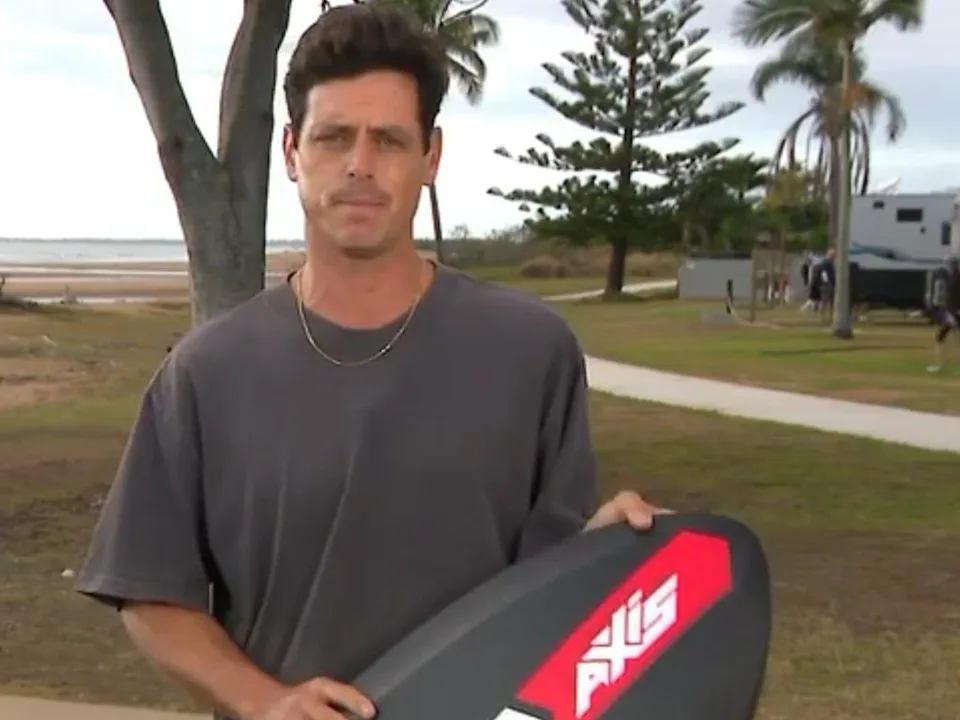
Nikolas Plytas lands first-ever double backflip on a hydrofoil
Nikolas Plytas stuck the first-ever double backflip on a hydrofoil after 800-plus tries, raising the sport’s aerial ceiling in one move.
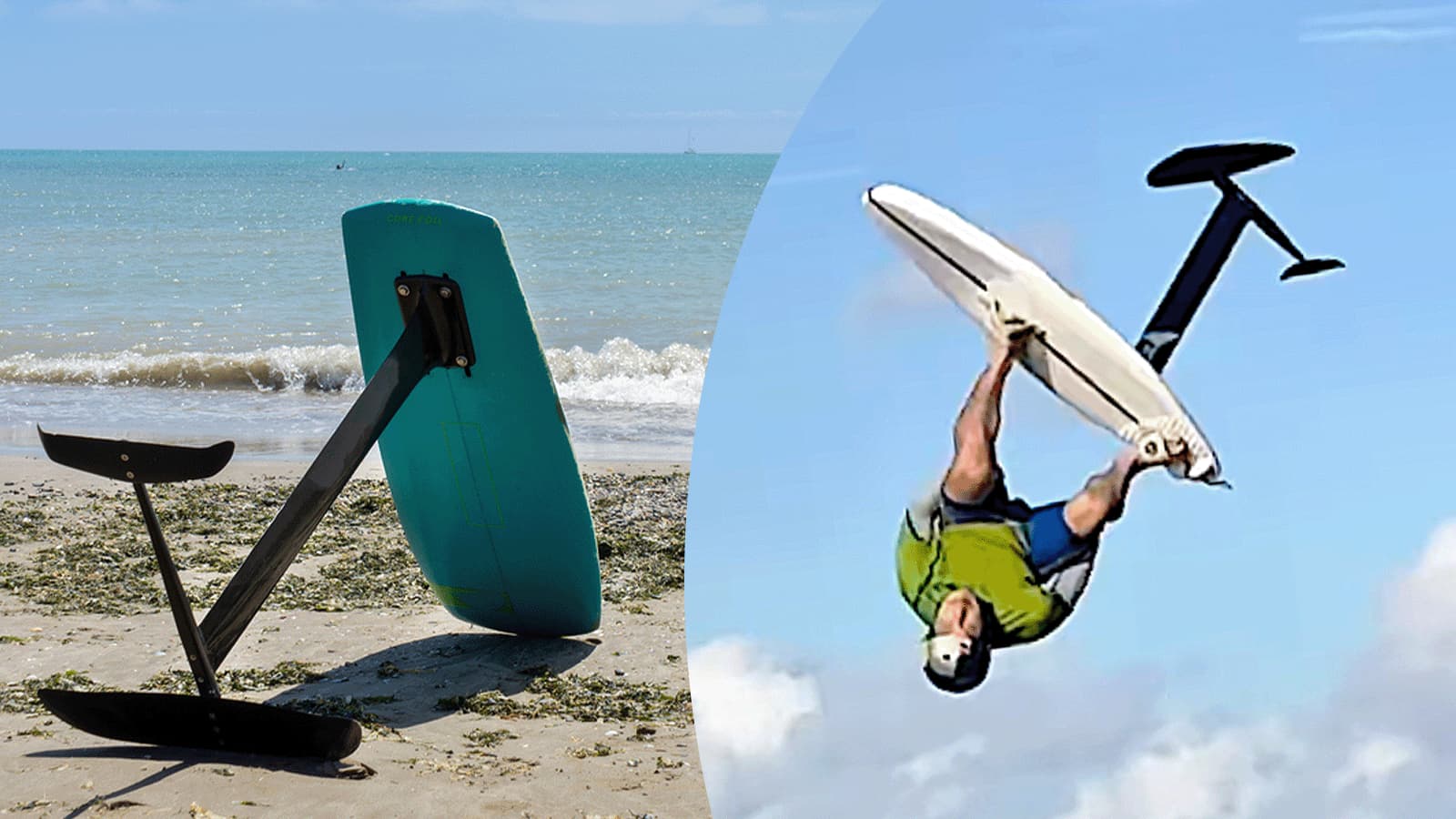
Nikolas Plytas landed the first-ever double backflip on a hydrofoil after more than 800 attempts, giving foil surfing its clearest proof yet that the sport is moving beyond glide and into full aerial freestyle. The Greek rider’s breakthrough turned a niche progression trick into a new benchmark for what a foilboard can do in the air.
The maneuver matters because hydrofoil surfing is built on a delicate balance of speed, lift and control. A rider has to keep the foil engaged under the water while the board rides above the surface, then carry enough momentum to rotate, re-enter and recover without stalling the wing or ventilating the foil. A double backflip raises the difficulty again: the rider must manage pitch through two full rotations, stay on line, and land with enough precision to keep the board and foil tracking cleanly across the water.
That is why the more than 800 attempts matter as much as the landing itself. Plytas did not simply throw a bigger spin and get lucky. He repeated the same movement until the timing, body position and exit speed all lined up, which is exactly how foil surfing is changing right now. What was once sold mainly as a smooth, efficient way to surf small chop or open water is becoming a discipline where repeatable aerial progression is possible, and measurable.
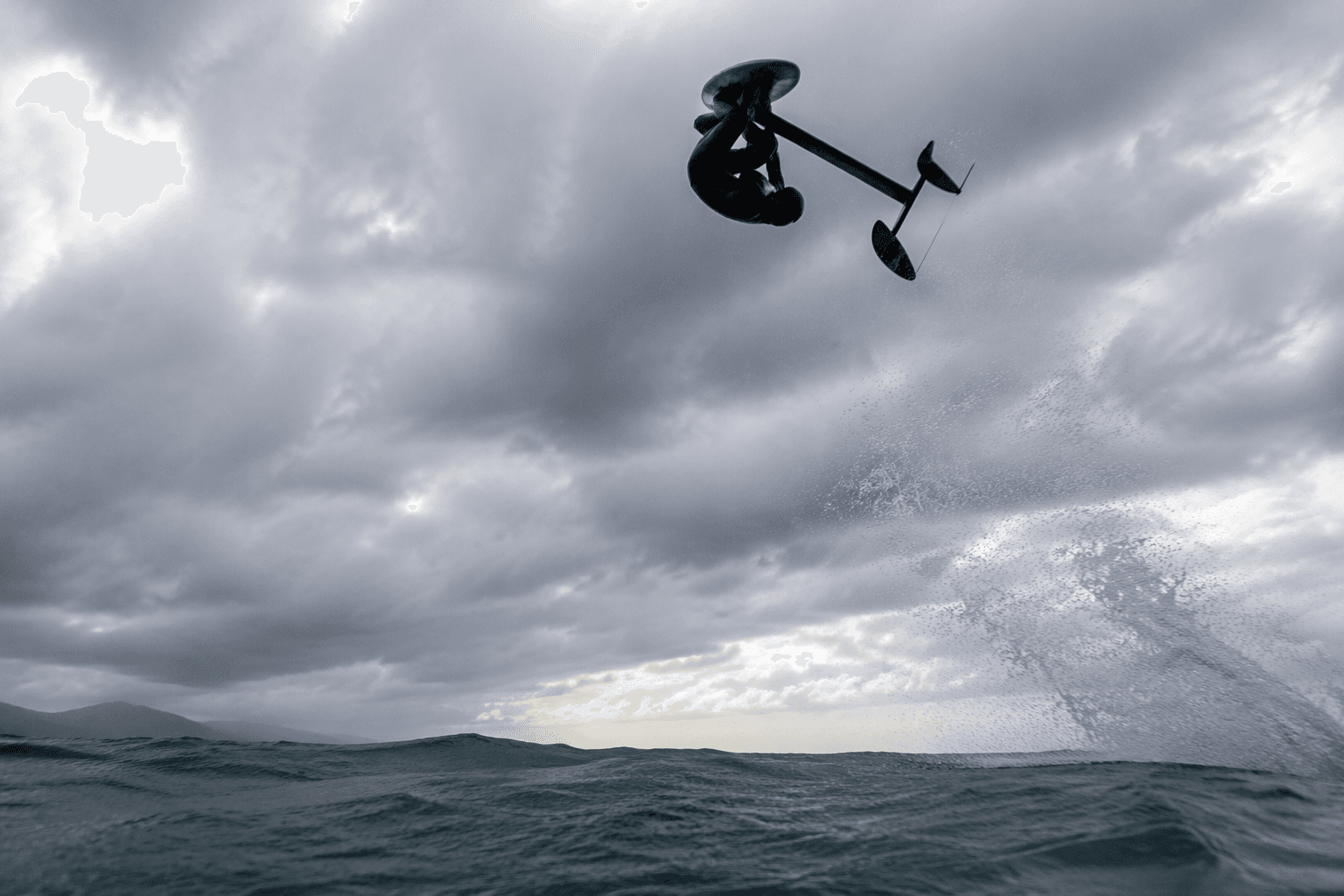
Plytas has already been established as a serious name in action sports, with Red Bull listing him as one of its athletes, and the double backflip gives him a clean place in the sport’s history. For foil surfing, that matters commercially and culturally. The trick is easy to understand on video, easy to judge as a first, and difficult enough to signal that the ceiling is still moving. That combination is gold for a sport trying to expand beyond pure glide into a freestyle language of its own.
It also changes the way riders, coaches and brands can talk about foilboarding. The conversation is no longer only about efficiency, soft landings or long open-water lines. Plytas’s landing shows that foil surfing can now support the same kind of repetition, risk and progression that helped wakeboarding, freeskiing and snowboarding build their aerial identities. In that sense, the double backflip is not just a viral clip. It is a new reference point for how far a hydrofoil can be pushed when speed, lift and landing mechanics all come together.
This article was produced by Prism’s automated news system from verified source data, official records, and press releases, then run through automated quality and moderation checks before publishing. The system is built and supervised by the people who set the standards it runs under. Read our full AI policy.
Did this article answer your question?