Surf Foil World Tour rules ban foot straps, require leashes for safety
Foot straps are banned, leashes are mandatory, and heats run 15 to 30 minutes with only four riders. Those rules decide how surf foil heats unfold, and how they are judged.
No foot straps are allowed in Surf Foil World Tour competitive divisions, and every rider must wear a leash. Heats run on a head judge’s clock with unlimited waves, so the contest is built around reading the lineup, not just throwing big moves.
Gear rules that shape the ride
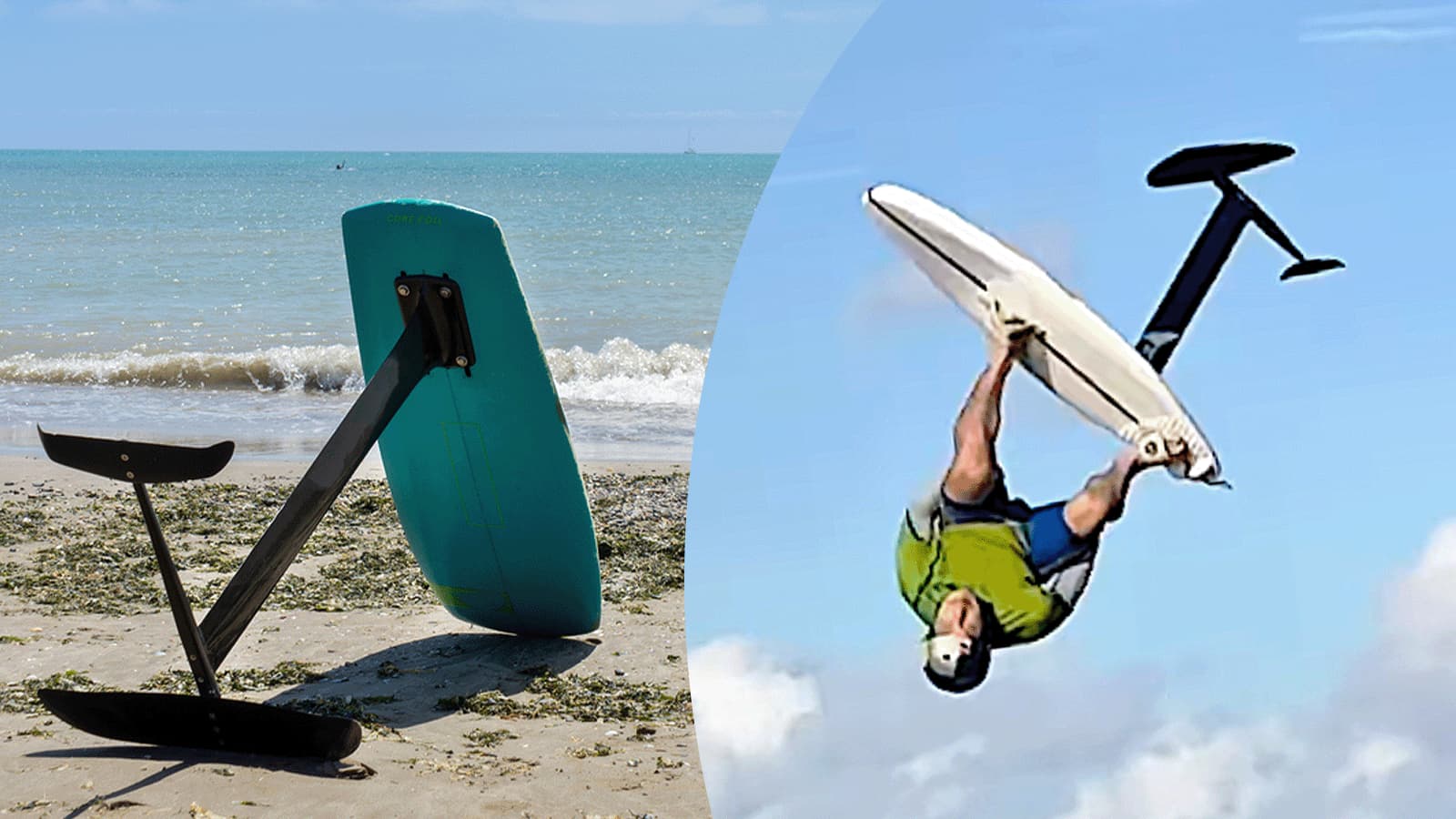
The biggest visual difference starts with the boards themselves. Foot straps are not allowed in competitive divisions, though they are optional in expression sessions, which pushes riders toward a looser, more surf-driven style built on trim, balance, and clean rail work rather than strap-assisted control. On the water, a strapless foil run asks for constant foot adjustment and sharper wave reading, especially when a rider tries to keep speed through bumpy sections or link a longer glide.
Leashes are mandatory for all competitors. In a sport where the board can separate from the rider in an instant, the leash keeps runaway gear from becoming a hazard in the lineup and lets heats continue with less disruption. Helmets are recommended, and event directors can add further guidance depending on conditions or local legal and federation rules.
What the heat clock really means
A surf foil heat runs 15 to 30 minutes, with the head judge choosing the exact duration based on conditions. That range is short enough to reward urgency, but long enough to let riders wait for the right bumps, sets, or cleaner sections instead of forcing every takeoff. A slow opening stretch can suddenly turn into a flurry if a useful set arrives late.
The rules also cap each heat at four riders. That small field keeps priority, wave choice, and scoring easy to follow, and it usually creates clearer separation between riders who are hunting one premium wave and riders who are trying to pile up repeat scores. The rulebook’s unlimited-wave structure means competitors are not protected by a wave limit, so smart lineup management becomes part of the performance itself.
A two-round system is also allowed when wave conditions or time make it the best way to finish the event. That gives organizers flexibility in an ocean sport where the day can turn quickly, and it helps preserve quality when the surf does not cooperate for a single, clean final.
Why the strategy looks different from regular surfing
These rules reward a very specific kind of surf foil judgment. Without straps, riders are pushed toward flow and control instead of strap-driven explosiveness, so the most effective lines usually look smooth rather than acrobatic. The leash requirement also affects tactics: riders can commit harder to a section knowing their board will not drift into the pack, but they still have to manage the risk of a fall in a faster, higher-riding sport.
Unlimited waves per heat can be a trap for impatient riders. The best competitors often combine patience with decisiveness, waiting for a ride that lets them carry speed, connect sections, and finish with clean control rather than burning energy on weak attempts.
How the tour describes the sport
The Surf Foil World Tour calls surf foiling its “purest expression” of wave riding and says it blends traditional surfing with hydrofoil technology. The rules match that framing: no foot straps in competitive divisions, safety leashes for everyone, and judging windows that reward wave selection as much as raw style. The discipline is meant to look like surfing, but with the lift, speed, and smooth glide that a foil adds beneath the board.
That blend is also why the tour has built out a broader competitive ecosystem around surf foiling. The same tour has expanded into pump foil, wake foil, downwind foil, e-foil, and later parawing events, creating separate but connected disciplines. Surf foiling is the wave-focused discipline, while the other formats push the technology into flat water, wakes, open-ocean bumps, and tow-style sessions.
A useful comparison from team foil competition
A 2022 Duke’s Ocean Fest foil division gives a helpful contrast. That event featured five sponsored teams, with 30-minute heats across two consecutive team heats and the highest combined score deciding the winner. It was a team format rather than a standard surf foil wave heat, but it shows how foil contests can be built around the same core ideas: small fields, timed rounds, and score management under changing conditions.
A team contest can reward cumulative pressure across heats, while the Surf Foil World Tour’s wave-competition rules are built to isolate individual decision-making inside a short, weather-sensitive window.
This article was produced by Prism’s automated news system from verified source data, official records, and press releases, then run through automated quality and moderation checks before publishing. The system is built and supervised by the people who set the standards it runs under. Read our full AI policy.
Did this article answer your question?