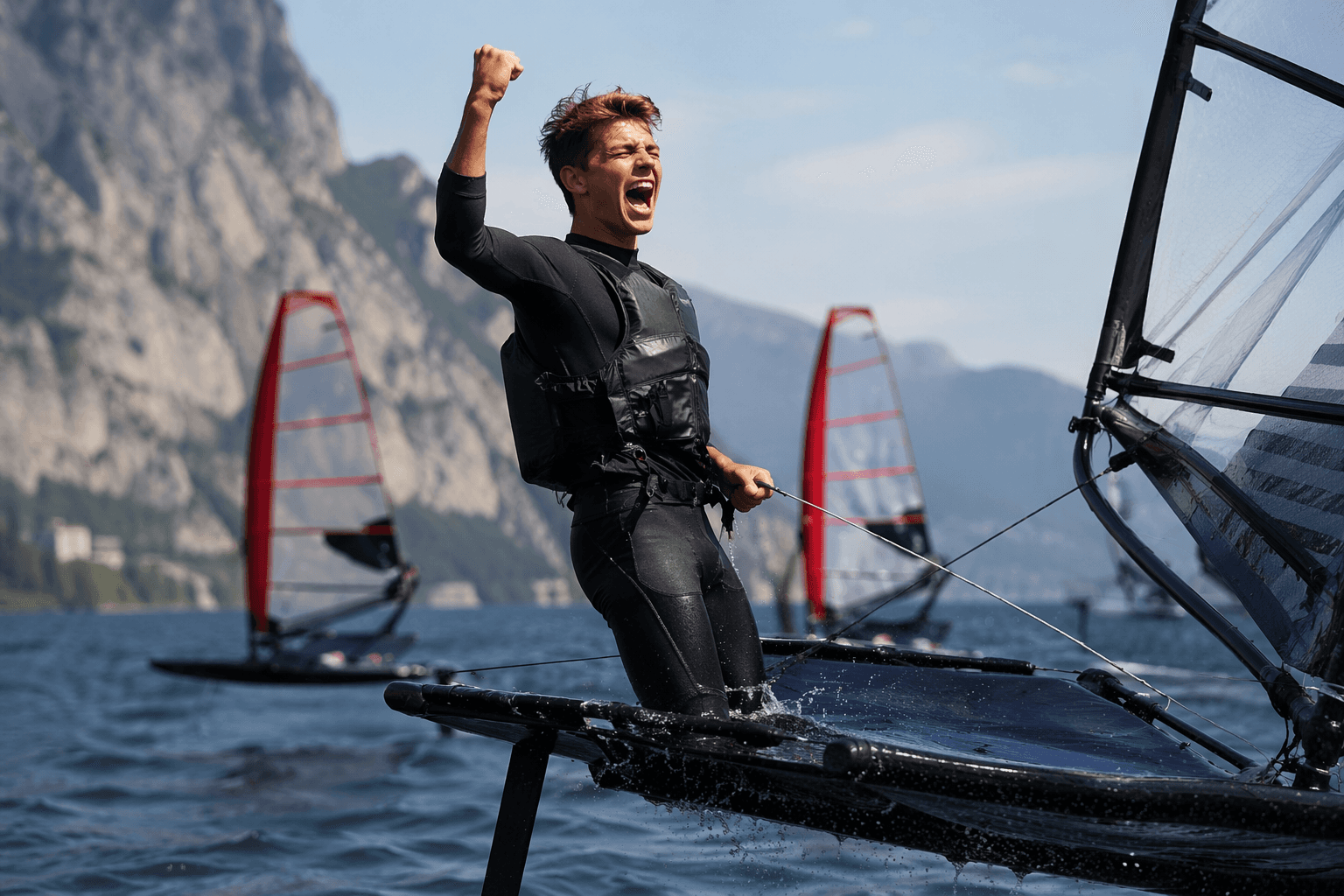
PWR-Foil says battery, wings and rider shape e-foil performance
Battery choice sets the ceiling, but wings, board volume and rider weight decide how clean the ride feels. The best e-foil is the best-matched one.
Start with the battery, not the badge
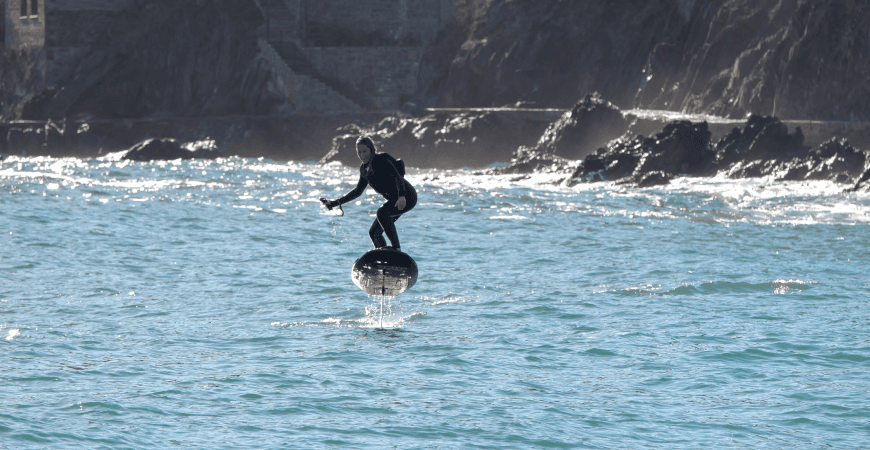
The fastest-looking e-foil is not always the best one on the water. PWR-Foil’s system-wide view makes the right point for buyers: the session is won or lost on how well the battery, board, wings and rider all work together, not on a single headline speed number.
That starts with the battery, the part PWR-Foil calls the heart of the electrical system. Lift Foils says its Full Range battery can deliver up to 2.5 hours of ride time, but that figure depends on rider weight, wing setup, speed and throttle. Its Gen5 Full Range battery is marketed at up to 90 minutes and is 23 percent lighter than the 2025 model, which matters if you care as much about feel and handling as you do about duration. Fliteboard says most riders can expect roughly 60 to 90 minutes under average conditions, and its Flitecell Nano is positioned as the lightest lithium-ion battery in its lineup for the most responsive, maneuverable ride.
That is the first tuning choice: do you want the longest possible session, or the lightest, most lively setup? The answer changes everything else.
Treat the foil package as one machine
PWR-Foil’s most useful framing is that an e-foil is not a stack of separate parts. The mast, fuselage, propulsion system and wing work as one coordinated system, which is why swapping one piece can change the whole ride. Even the rear setup matters, because the stabilizer helps determine balance and straight-line tracking.
The fuselage length is a good example. A shorter fuselage is more responsive and easier to turn, while a longer fuselage brings more stability. That tradeoff is the kind of thing that separates a setup that feels forgiving from one that feels twitchy, especially when a rider is still learning how to stay balanced through the lift phase.
Wings carry the same logic. Larger wings create more lift, easier takeoffs and greater stability. Smaller, sleeker wings lean the other way, giving more speed and quicker response for tighter turns and more aggressive riding. Fliteboard’s wing guidance draws the same line: its Cruiser range is built for stability and early lift, while its Flyer and Flow ranges are aimed at more advanced, higher-speed carving. Lift Foils says larger wings are better for stability and comfort, while high-aspect wings improve speed and efficiency but are less friendly to beginners.

If the question is “what gets me flying sooner,” the answer is usually a bigger, steadier wing. If the question is “what opens up speed and sharper lines once I am already comfortable,” the answer shifts smaller and faster.
Choose the board for the way you want the ride to feel
Board choice is where many buyers make the wrong trade. It is tempting to chase the smallest board in the showroom, but the board has to match both the rider and the job. Higher-volume boards help with buoyancy and make takeoffs easier, while smaller, more compact boards improve maneuverability and the feel once you are up on foil.
PWR-Foil points to its REVO Flow, PRO, Air and RAPTOR boards as examples built for different styles, from smooth cruising to technical performance. That spread is the real lesson: the right board is the one that fits your intended use, not the one that looks most aggressive on the rack.
Fliteboard’s ULTRA L2 tells the same story from the other side of the market. It is described as the company’s lightest and most agile board, with a narrow shape meant to improve wave riding and maneuverability. That is the kind of board that rewards precision. A larger, more buoyant board rewards easier starts, calmer learning and less drama when conditions are messy.
For buyers, the board question should come after the battery and wing question, not before it. If you choose a small board too early, you can make the entire setup harder than it needs to be.
Match the setup to the rider, then to the water
Rider weight and skill are not side notes. Fliteboard says rider weight, skill, motor power, wing design and board size all affect top speed, which is another way of saying that “fast” is a moving target. A setup that feels lively under one rider can feel sluggish or unstable under another.

Intended use should narrow the choice even more. If the goal is easy takeoff and relaxed cruising, the bias should go toward more volume, more lift and more stability. If the goal is carving, wave riding or quick transitions, the setup can move toward smaller boards, more responsive fuselages and wings that favor speed over forgiveness. Buyers who skip this step often end up chasing top speed when what they really wanted was a smoother, more confidence-building ride.
Water conditions matter just as much. Fliteboard says rougher water reduces battery life because the motor has to work harder to keep the board on foil. Wind, swell, current and chop all affect performance and range, which means a setup that looks ideal in flat water can feel very different once conditions turn on. The smart purchase is the one that still feels right when the water is imperfect.
The delivery system matters, but so does the rulebook
Motor and electronics are important, but they are not the whole story. In practice, they are the delivery system for the ride, and the ride is shaped just as much by the board, wings, fuselage and battery as it is by raw power. That is why the best e-foil setups feel cohesive rather than overbuilt.
The sport’s evolution shows how quickly that thinking has taken hold. Fliteboard says founder David Trewern developed the original idea in 2016, back when electric motors and batteries were only just becoming light and powerful enough to lift a board cleanly. What started as a technical possibility has now become a much more refined setup problem: who is riding, where, and for what kind of session.
The regulatory side has tightened too. The U.S. Coast Guard classifies eFoils as mechanically propelled personal hydrofoils and treats them as vessels under boating rules. Its guidance also says eFoil and jetboard manufacturers must comply with engine cut-off switch requirements or obtain an exemption. That matters for buyers and tinkerers alike, because the equipment is no longer operating in a gray zone.
The competitive scene is moving in the same direction. The Surf Foil World Tour has announced an eFoil World Cup in Munich, Germany, for June 13-14, 2026, with international competition and prize money. That kind of event does more than add spectacle: it confirms that e-foiling is shifting from novelty to a tuned, specialized sport where small setup decisions can decide how much of the water you actually use.
This article was produced by Prism’s automated news system from verified source data, official records, and press releases, then run through automated quality and moderation checks before publishing. The system is built and supervised by the people who set the standards it runs under. Read our full AI policy.
Did this article answer your question?