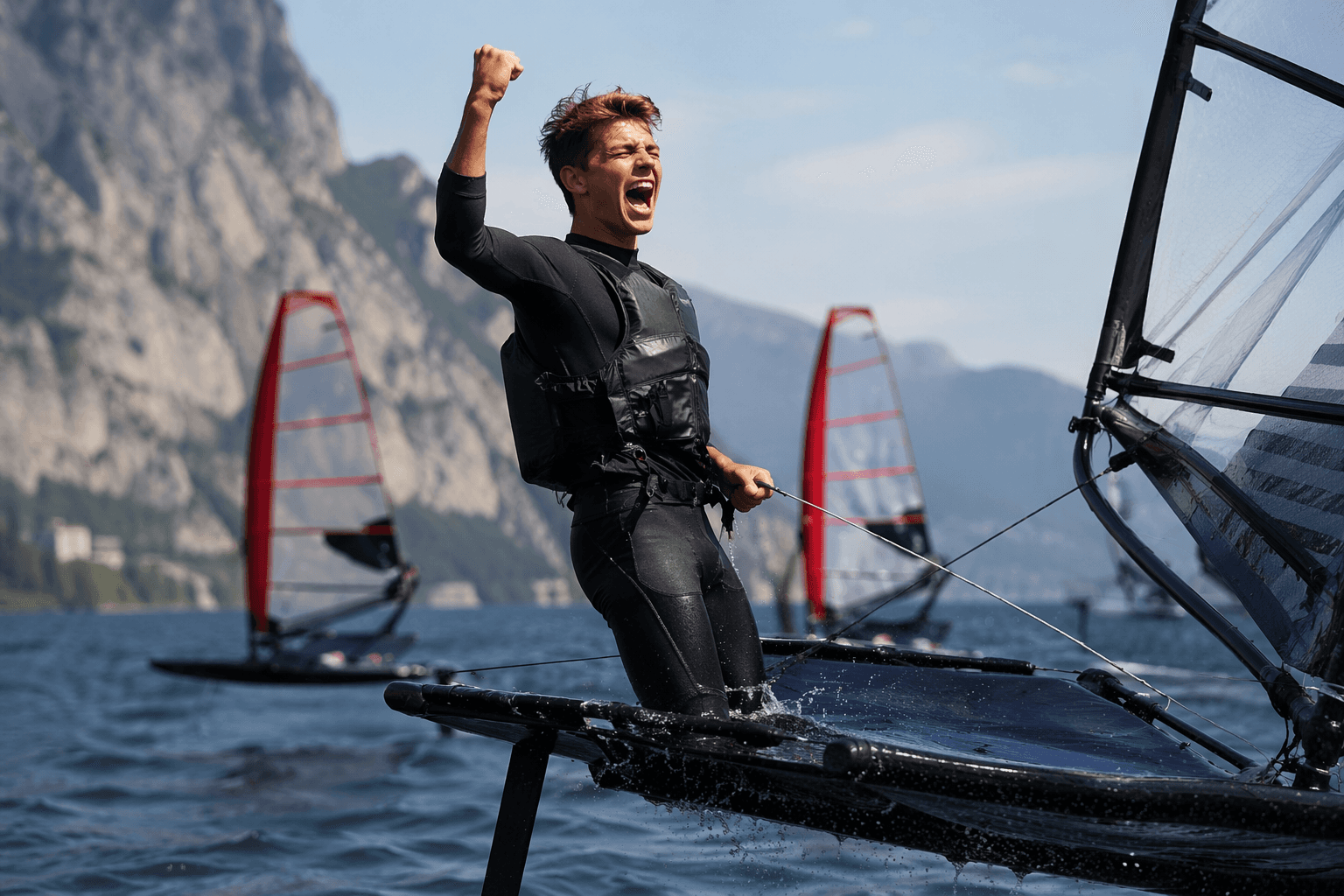
Shark pursues foil surfers off Santa Barbara, riders recount close call
A shark spent minutes shadowing Ron Takeda and Tavis Boise off Santa Barbara, turning a downwind foil run into a tense offshore retreat.

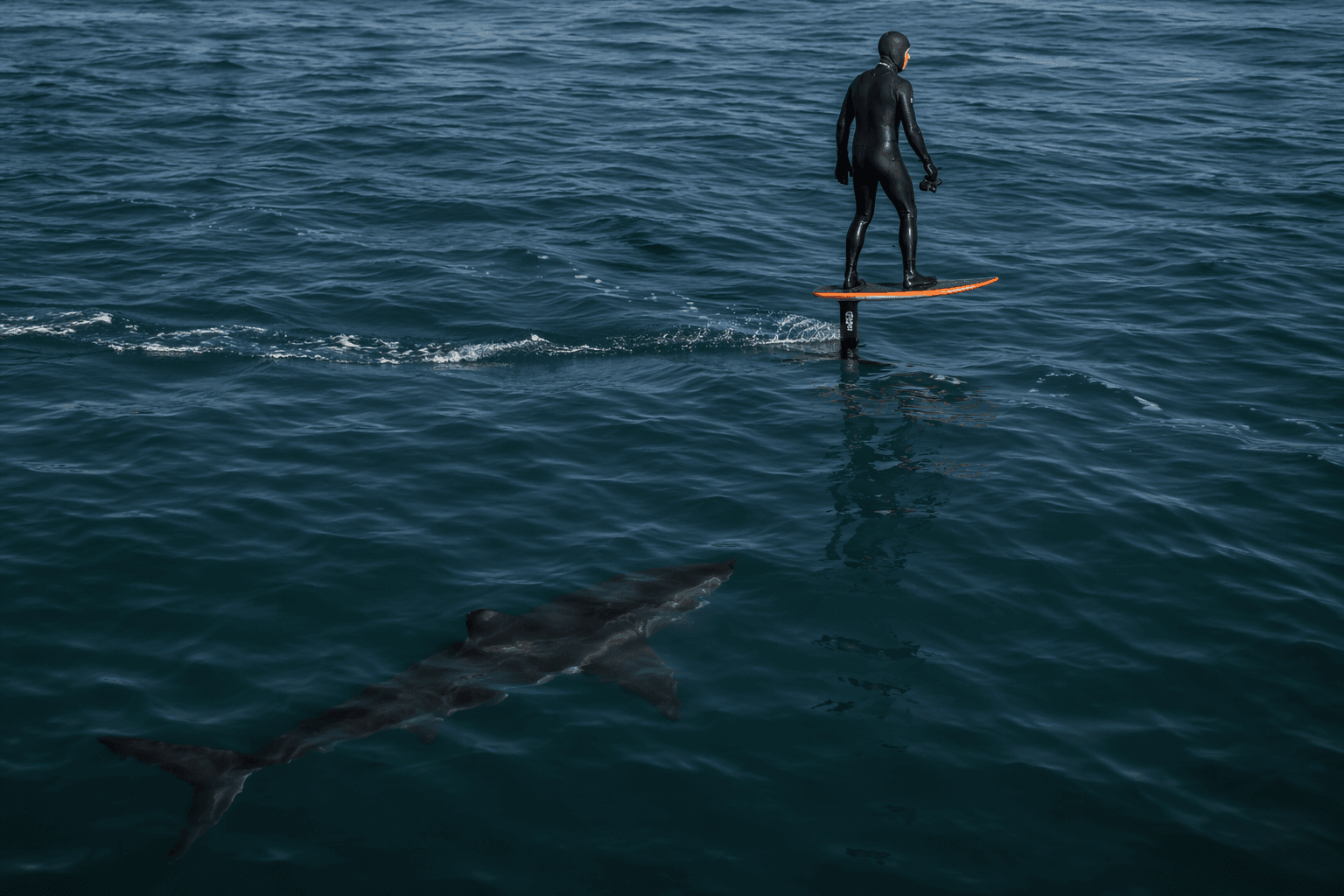
A shark spent minutes shadowing Ron Takeda and Tavis Boise off Santa Barbara, and the best measure of the scare is how ordinary the start sounded. The two foil surfers had launched from Campus Point and were heading toward Carpinteria on a roughly 20-mile downwind or hydrofoil run when the encounter turned into a full chase about a mile offshore near Leadbetter Beach.
Takeda was the rider the shark appeared to target, and the length of the pursuit is what made this one stand out. One account put the chase at about three to four minutes; others said it stretched to 10 to 12 minutes and covered more than two miles. Either way, this was not a quick pass in the swell. Boise had a camera attached to his paddle, and the warning was captured as the fin appeared behind Takeda, giving the incident a rare, unsettling view from the water.
What makes the episode matter to foil surfers is not just the drama. Foils keep riders low, fast and often isolated, with long glides that can push them well beyond the beach lineup and into water where wildlife is part of the same playing field. That changes the decision-making. Partner communication, local knowledge and the ability to end a session early are not side notes in foil surfing. They are part of the job.
The broader context backs that up. California wildlife officials say white sharks are responsible for the vast majority of shark-human incidents off the state. Southern California is also considered a nursery ground for white sharks, with juveniles spending significant time in shallow waters. The Santa Barbara coast is not some random hotspot, but it is real shark country, and that matters when riders are traveling farther offshore than most surfers ever do.
The reported size of the animal, about 10 to 11 feet, only sharpened the concern, and one account said Takeda believed it may have been a great white. UC Santa Barbara’s SharkEye project, which uses drones and AI to detect great whites in nearshore waters and share information with public-safety officials and communities, exists for exactly this kind of reality: sharks are part of the water, and awareness is the difference between a story and a disaster.
This one did not become a panic story. It became a clean, hard reminder that open-water foiling rewards speed and range, but it also asks riders to read the ocean with the same discipline they bring to the swell.
This article was produced by Prism’s automated news system from verified source data, official records, and press releases, then run through automated quality and moderation checks before publishing. The system is built and supervised by the people who set the standards it runs under. Read our full AI policy.
Did this article answer your question?