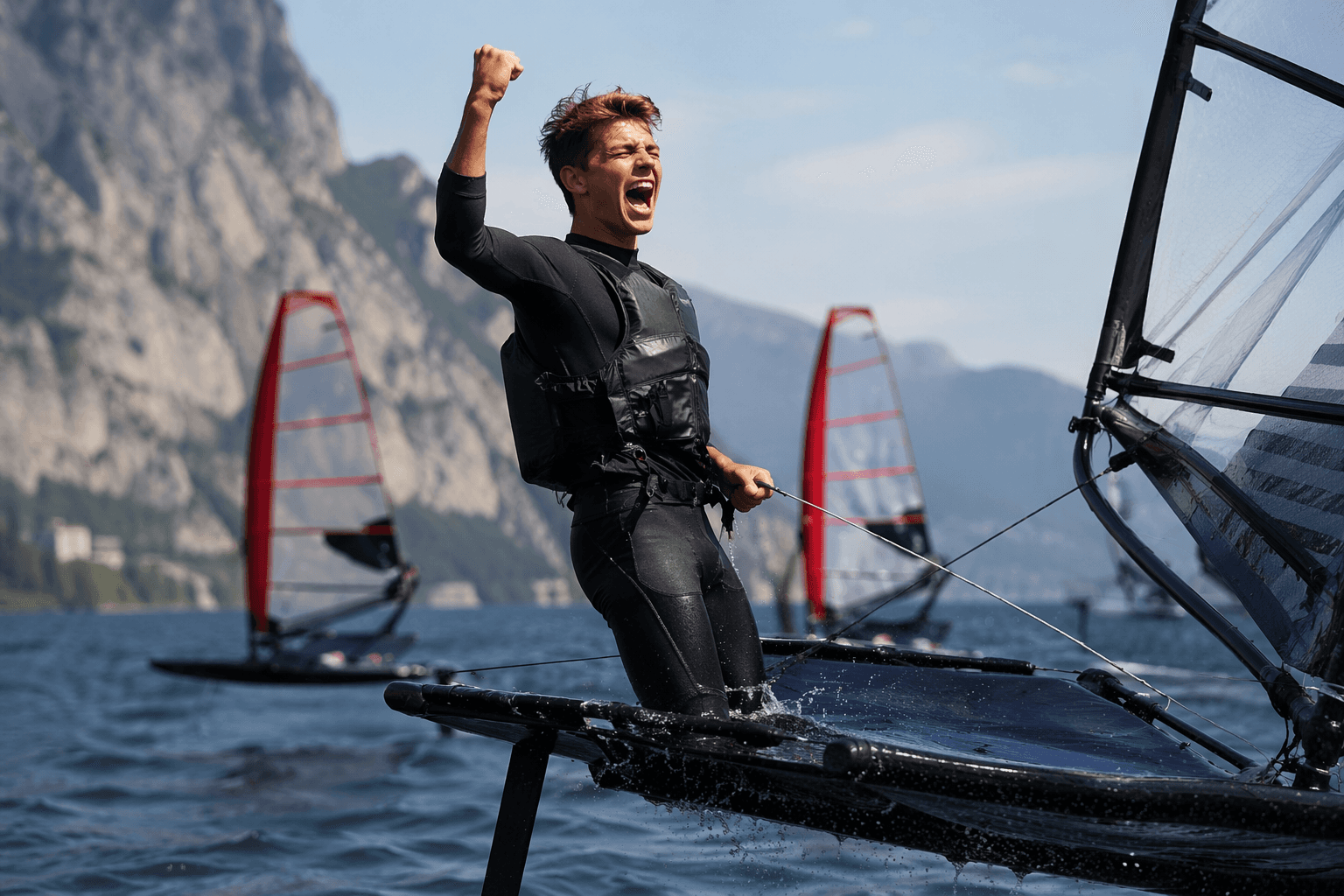
Slingshot buying guide helps foil surfers choose the right setup
Slingshot's range is built around fit, not flash: the guide maps beginners, progressors and power seekers to the right wing, foil and board without overbuying.
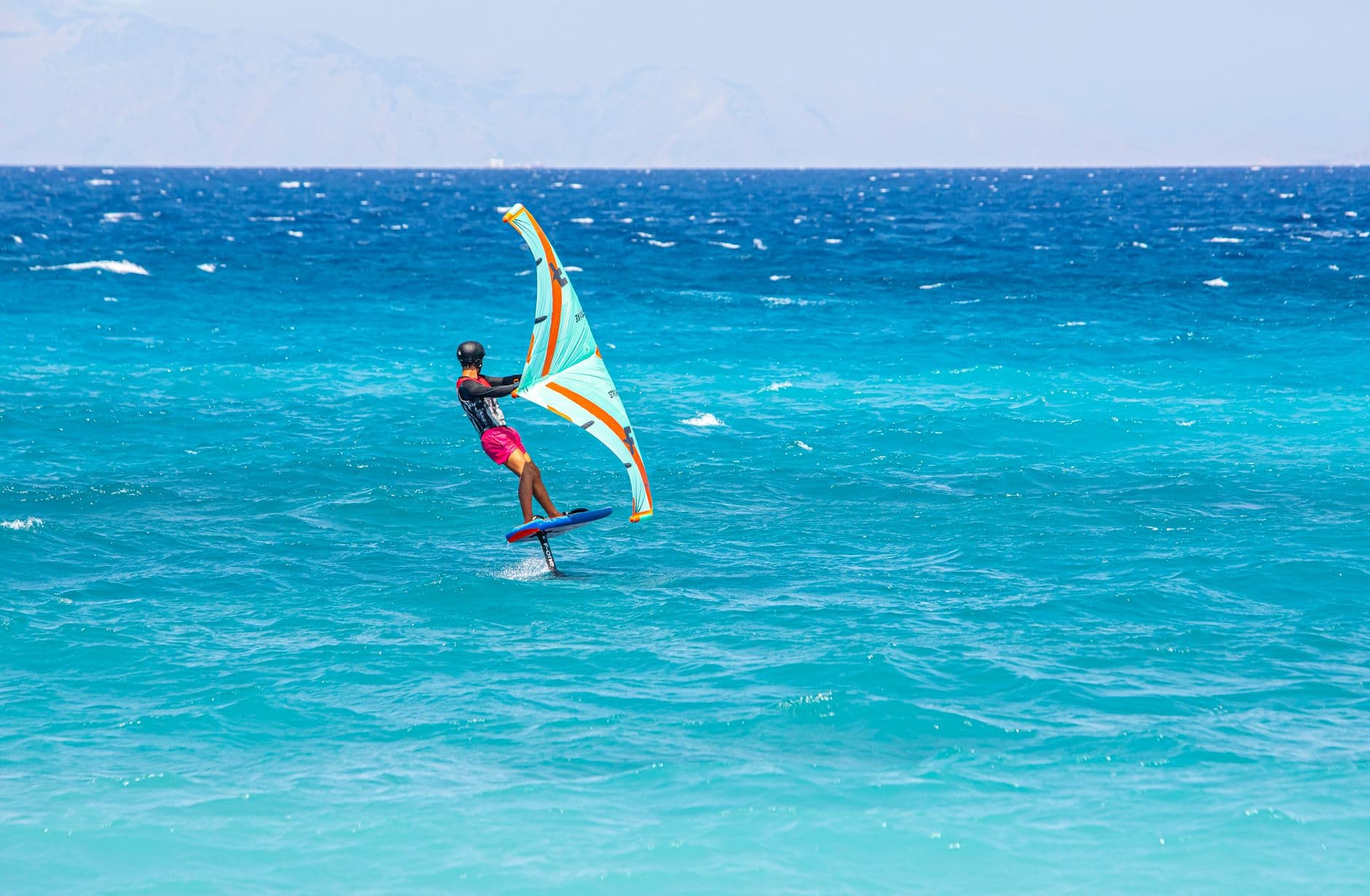
The hardest part of buying a wing-foil setup is not the first session, it is the decision before you ever hit the water. Slingshot’s buying guide strips that away by turning a crowded lineup into a clear set of choices: package or parts, V6 or NXT V2, Ease or Glide or Flow, Glide Craft V1 or Flow Craft V2. The message is blunt in the best way possible: buy for where you are now, then leave yourself room to grow.
Start with the system, not the shiny part
The smartest branch point is whether you want a complete One-Lock package or a mixed build. Slingshot says One-Lock took three years to develop and reduces the foil to three core pieces: stabilizer, front wing and mast. It is a screw-free platform, with no need for tools, screws or grease, and the brand says that matters because it cuts down corrosion, lost screws and the setup headaches that chew up a session before it starts.
That is why the package route makes sense for a lot of riders. Slingshot says the One-Lock Wing QuickStart Package is designed for riders who want to be set up for success with a foil that can grow with them, and the company says the setup can be assembled in less than 60 seconds. If you are new, that is not a gimmick, it is a real advantage: less time fiddling on the beach, more time learning to get up and stay up.
The beginner path is built around forgiveness
For newer riders, the guide points to the One-Lock Wing QuickStart Package and the Ease front wing. That pairing is not about speed or bragging rights. It is about stability, predictability and giving you enough room to make mistakes while you learn the basic moves that define the sport.
Slingshot describes the Ease line as an entry-level foil designed to support turns, foot swaps, pumping and tacks. That matters because those are the moves that separate “I got flying once” from actually progressing. If you are still building confidence, the wrong move is chasing a high-performance wing too early and then blaming the sport when the gear is simply too demanding.
Glide is the all-round answer, and that is not a cop-out
Once you move past the first steps, the Glide front wing becomes the most sensible middle ground. Slingshot calls it the most versatile front wing in the One-Lock line, and the brand’s broader foil language backs that up by describing the Glide series as delivering “smooth, surfy freedom.” That is the kind of setup that lets you explore more conditions without narrowing yourself into a specialist build too soon.
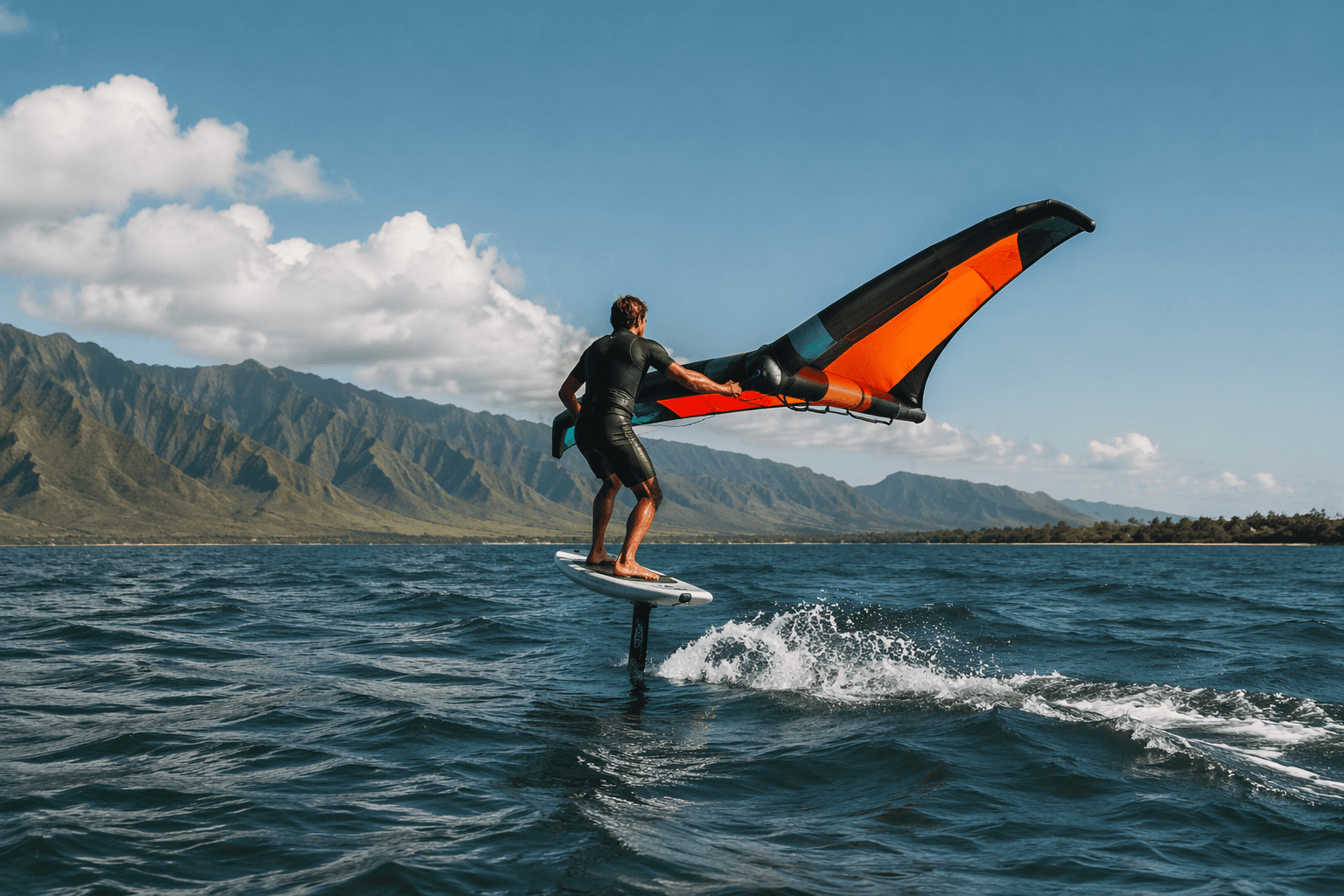
The board choice follows the same logic. The Glide Craft V1 is framed as the more forgiving learning platform, while the Flow Craft V2 is the more performance-oriented option. If you are still figuring out when to commit and when to back off, Glide Craft V1 keeps the learning curve kinder. If you already know you want a sharper feel and a more aggressive response, Flow Craft V2 makes more sense.
Flow is where performance starts to matter more than comfort
The Flow front wing is the step up for riders who have the confidence to use it. The guide treats it as the faster, more efficient option, and that is exactly how you should read it. This is not the wing for the person still trying to connect clean tacks; it is for the rider who wants to squeeze more speed and efficiency out of each run.
That does not make Flow the automatic upgrade for everyone. It makes it the better choice for riders whose local conditions, body weight and skill level can actually use the extra performance. Too many buyers skip straight to the most aggressive option because it sounds like progress. In reality, the fastest path forward is usually the one that lets you spend more time riding and less time fighting the setup.
V6 versus NXT V2: this is where a lot of buyers overspend
The wing decision is just as important, and this is where the guide gets especially useful. The SlingWing V6 is presented as the broad-appeal freeride choice, the easier-going option with smooth power delivery, stability and a friendlier path into the sport. The SlingWing NXT V2, by contrast, is the premium pick, built to feel lighter, stiffer and sharper, with a higher-performance ceiling.
For most riders, that makes the V6 the safer bet. It is the wing that rewards a wide range of skills and conditions without asking you to pay extra for responsiveness you may not yet be able to use. The NXT V2 is the one you buy when you know you want that direct, high-end feel and you are ready to exploit it.
How to match the setup to your stage
A simple way to read the range is to think in rider profiles instead of model names.
- New to wing foiling: One-Lock Wing QuickStart Package, Ease front wing, Glide Craft V1
- Improving and wanting one reliable quiver: Glide front wing, SlingWing V6, Glide Craft V1
- Looking for sharper performance: Flow front wing, SlingWing NXT V2, Flow Craft V2
- Wanting the least hassle on the beach: One-Lock package over a pieced-together build
That is the real value of the guide. It does not pretend every rider needs the same answer. It gives you a way to identify yourself quickly and avoid buying into a setup that is either too slow to teach you or too hot to handle.
Why the package route keeps winning for newer riders
Slingshot’s pitch for One-Lock is bigger than convenience. The company says the system is built for performance, durability and longevity, and the screw-free design is meant to remove the maintenance pain points that foil users know too well. That also explains why a package approach is so attractive: the gear is modular and upgradable, so the first purchase can be the foundation instead of the final word.
The broader brand context matters too. Slingshot says it has been leading design and development in watersports for more than 20 years, and that history shows up here in a lineup that is built around progression instead of hype. The best buying decision is not the most expensive one. It is the one that leaves you with a setup you can actually use now, and a path you can afford to grow into later.
The bottom line
If you are brand-new, start with the QuickStart package, not a scattered pile of parts. If you are progressing, Glide is the safest all-round lane, with V6 on the wing side and Glide Craft V1 on the board side. If you are already chasing sharper performance, Flow and NXT V2 are there for you, but they are upgrades for skill, not substitutes for it.
This article was produced by Prism’s automated news system from verified source data, official records, and press releases, then run through automated quality and moderation checks before publishing. The system is built and supervised by the people who set the standards it runs under. Read our full AI policy.
Did this article answer your question?