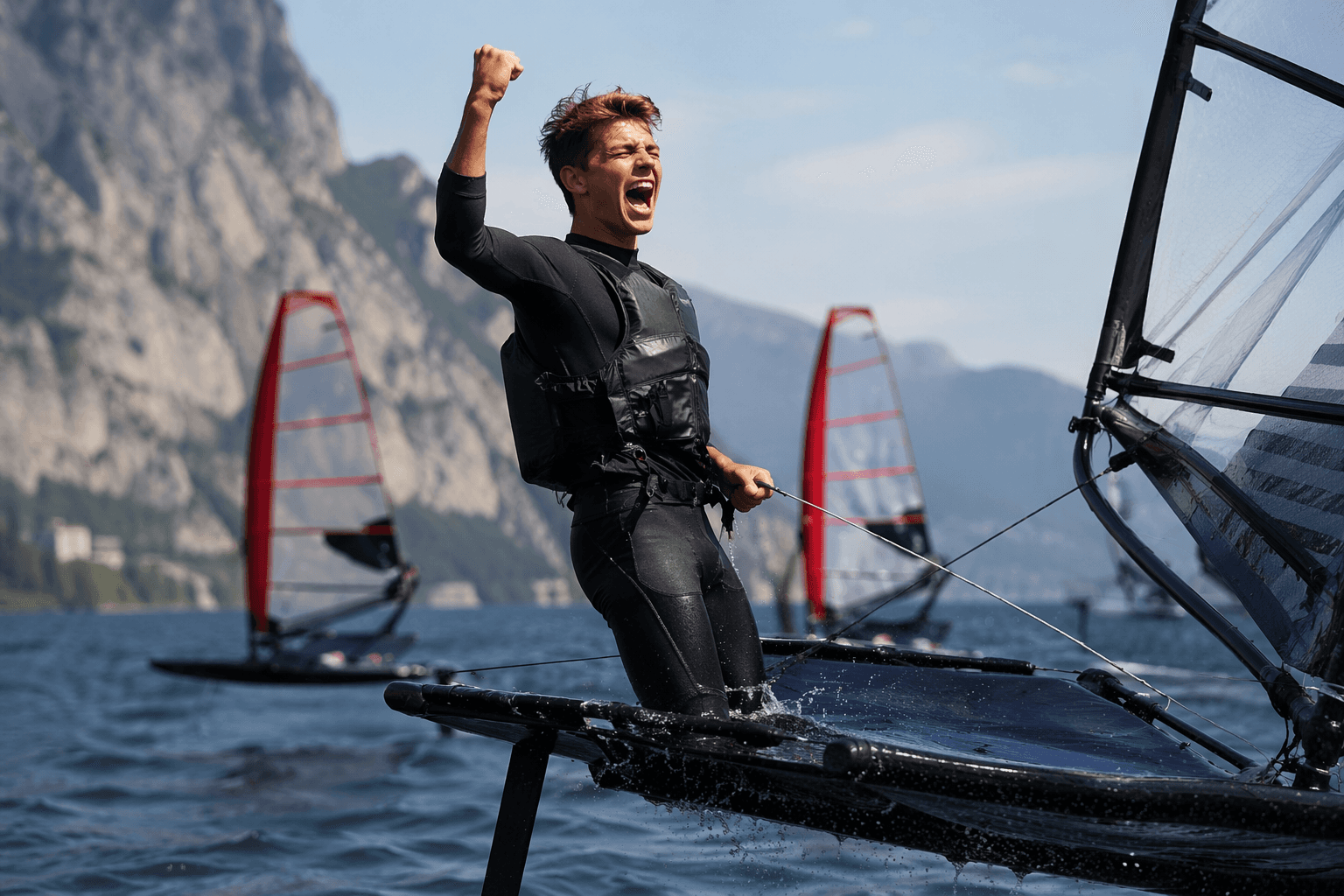
Waydoo compares eFoils, jet skis and electric surfboards by ride style
Waydoo’s guide cuts through the hype: choose by launch access, storage, cost, and the kind of ride you actually want, not the flashiest board.

A garage-friendly eFoil, a surface-carving electric surfboard, a retrofit Foil Drive setup, a jet ski, or a kite-powered session all solve a different problem. Waydoo’s comparison is useful because it starts with the reality of how you launch, what you can store, and how much skill and weather you are willing to negotiate before the ride even begins.
What matters first: access, not aesthetics
The quickest way to narrow the field is to ask what your local water access actually supports. Some setups need wind, some need flat water, and some need nothing more than a charged battery and open space. That is why the comparison works as a buying guide: it forces the decision through conditions, learning curve, transport, storage, and total cost instead of letting the flashiest machine win by default.
For a first-time buyer, that means the practical questions come before the fun ones. Can you carry it yourself? Can you launch without a dock crew or tow vehicle? Does your spot reward quiet cruising, powered flight, or high-speed surface riding? Each category answers those questions differently, and the right fit depends on how often you will actually use it.
eFoils: the full-flight experience
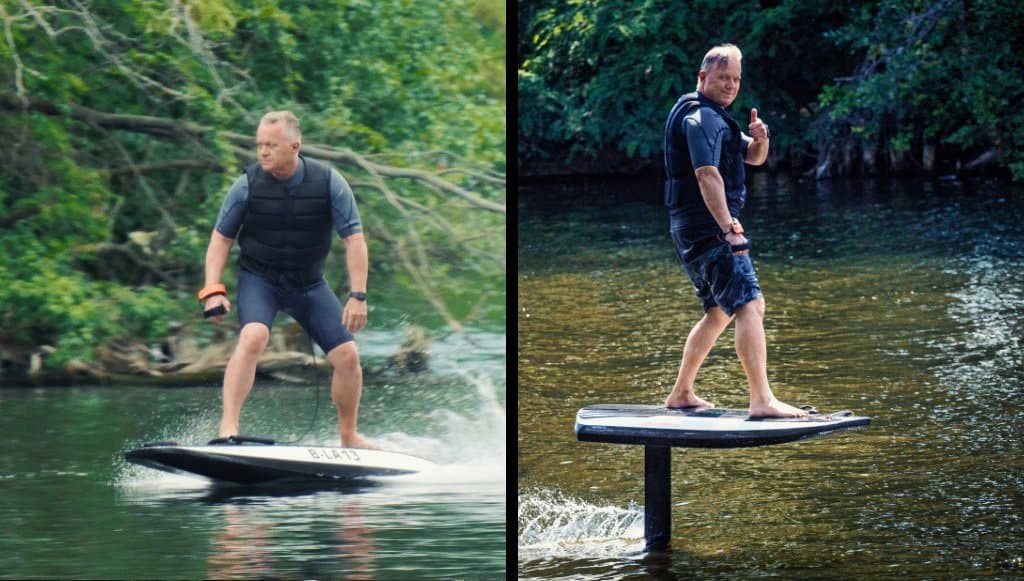
An eFoil is the purest answer for riders who want to fly above the water without waves, wind, or a tow boat. Waydoo describes it as a battery-powered electric hydrofoil surfboard, while Lift Foils markets its boards as smooth, silent, and powerful with modular designs and long-range batteries. That combination makes the category attractive to riders who want lift, glide, and a cleaner ride than surface-only craft.
Lift Foils says it invented the eFoil category, and its own timeline gives the category some hard history: the company was founded in Puerto Rico in 2010 and says it began developing the eFoil by 2015. Its LIFT5 is presented as the flagship model from the company that created the category, which matters because a buyer is not just choosing a board, but a definition of the sport’s modern form.
Cost is the biggest gatekeeper. Waydoo’s buying guide places many eFoils around $4,000 to $10,000+, and a later review says premium electric hydrofoils often run from $8,000 to $15,000. That puts the category firmly in serious-investment territory, even before storage space, charging logistics, and replacement parts enter the picture.
Electric surfboards: surface carving with less lift complexity
An electric surfboard keeps you on the water’s surface and carves more like a conventional surfboard. Waydoo says it feels more agile than an eFoil, but it also brings more drag and spray, which makes the ride feel closer to familiar board sports rather than to the suspended quiet of hydrofoil flight.
That tradeoff matters if you want the sensation of board handling without the learning curve of flight control. The electric surfboard is the more intuitive choice for riders who care more about direct carving and less about the engineering of lift. It is also the simpler mental shift for someone moving over from surfing or wake riding, since the board never asks you to manage foil height the way an eFoil does.
Foil Drive: power assistance for gear you already own
Foil Drive is the most flexible option in the group because it is not a full board. It is a motor kit that attaches to an existing hydrofoil setup, including the mast, fuselage, front wing, and board. Foil Drive describes itself as the world’s first electric assist designed for any mast and any foil, which is exactly why it matters to riders who already have a foiling setup and do not want to start over.
The company says you can electrify your existing gear and still choose your preferred board and foil brand. It positions the Assist MAX as the all-rounder, while the Assist Slim prioritizes lighter weight and performance. The Fusion system, meanwhile, is listed with maximum thrust of 34 kg, or 74 lbs, and battery capacity up to 864 Wh. Foil Drive also says its hybrid-foiling concept was officially launched in 2021, and a Foiling Magazine feature noted that assisted foil systems became a major story in 2024 as the Gen2 system gained traction.
That makes Foil Drive a strong answer for riders who want longer sessions, easier starts, or extra help in marginal conditions without giving up their current board and foil investment. It is less of a standalone purchase than an upgrade path, which is a major difference for anyone weighing total cost against future flexibility.
Jet skis: the high-speed, regulated surface option
Jet skis are the simplest category to describe and the most obvious to misjudge. Waydoo defines them as gas-powered personal watercraft with handlebar steering, built for fast, stable surface cruising for one or two riders. They are not quiet, not compact, and not subtle, but they do offer immediate speed and a familiar control layout for riders who want straight-ahead fun rather than foil technique.
They also bring a different ownership burden. Fuel is part of the equation, and in many places so is registration or certification. The Bureau of Transportation Statistics defines personal watercraft as vessels under 13 feet long that are operated sitting, standing, or kneeling rather than within a hull, and the U.S. Coast Guard treats them as vessels subject to inspection and safety requirements. The Coast Guard says it conducts nearly 55,000 boardings a year, which is a reminder that this is a regulated boating category, not just a toy.
For buyers comparing total hassle, that matters as much as horsepower. Jet skis may be the most straightforward ride to understand, but they are also the least subtle in terms of fuel, compliance, and trailer logistics.
Kitesurfing: the wind-powered branch of the menu
Kitesurfing belongs in the comparison because it solves the same rider question from the opposite direction. Instead of batteries or motors, it uses wind, and Waydoo frames it as the wind-powered option for riders who want a different athletic challenge and a more weather-dependent session.
That dependence is the whole point. Kitesurfing rewards the rider who has reliable wind access and wants a craft that feels lighter to transport but more demanding to master in real conditions. It is part of the same broader foiling boom, but it asks a different question than the powered categories: do you want propulsion built into the board, or do you want to earn every session from the forecast?
The safer choice is the one you will actually use
Across all of these options, safety and access are part of the purchase decision, not an afterthought. The U.S. Coast Guard says lifejackets could have saved the lives of over 80 percent of boating fatality victims, and its boating-safety work includes nearly 55,000 boardings a year. That puts real weight behind the otherwise playful language of watersports, because the best setup is useless if it is hard to launch, hard to store, or too demanding for your local conditions.
The clearest takeaway from Waydoo’s comparison is that the category split is no longer about one sport versus another. It is about matching propulsion, portability, and price to the kind of time you want on the water, whether that means silent foil flight, surface carving, retrofit power, regulated speed, or wind-driven riding.
This article was produced by Prism’s automated news system from verified source data, official records, and press releases, then run through automated quality and moderation checks before publishing. The system is built and supervised by the people who set the standards it runs under. Read our full AI policy.
Did this article answer your question?