Waydoo Foil Boost review finds easier setup and flexible assist modes
Waydoo's Foil Boost trims setup friction and adds flexible front- or rear-pull assist. It looks best for riders chasing easier starts, not purists chasing the lightest ride.

The question that matters
The Waydoo Foil Boost is built around a simple tradeoff: does powered assistance make foiling easier enough to justify the extra hardware, or does the weight and complexity drag the whole experience down? The strongest case for it is practical, not flashy. It gives riders a way to power into waves, catch swell, and then disconnect for low-drag foiling once they are moving.
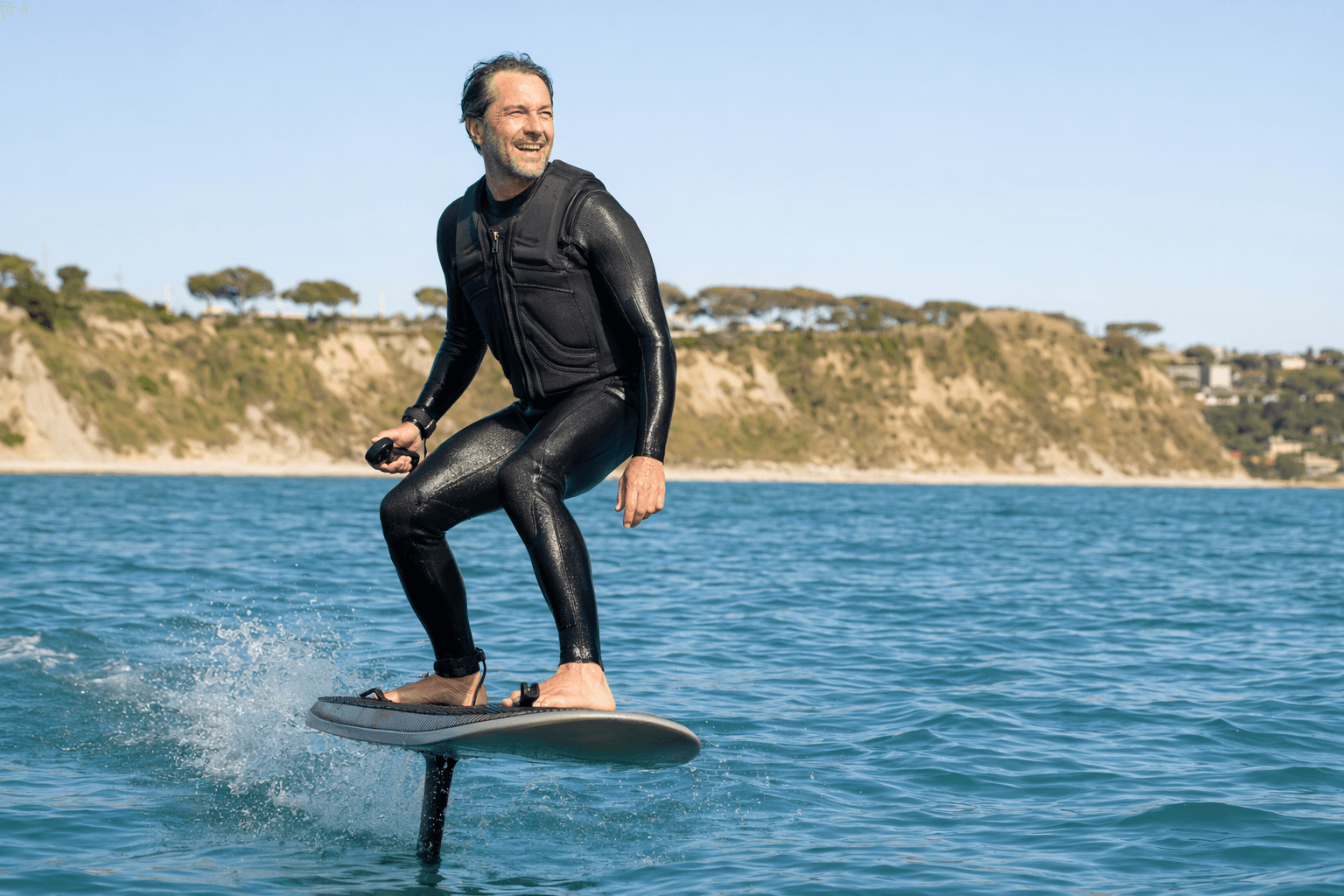
That makes the Foil Boost most interesting for dock starts, flatwater progression, fatigue reduction, and marginal conditions where a little extra thrust can save a session. It is not trying to replace the feel of a pure foil setup. It is trying to make the hardest part of foiling less punishing.
Why the setup story matters
The biggest surprise in the Foil Boost writeup is how much of the value comes before you ever hit the water. The kit is designed to be easy to assemble, with two batteries that lock in at the front and rear, a mast that drops in after removing the nose cone with the included Allen key, and a spinning knob that tightens everything down. That kind of hardware detail matters because assisted foiling fails fast when the setup becomes a chore.
Waydoo also leans into modularity. The system is meant to go on and off the board cleanly, and the removed unit can stand on its own. That sounds minor until you think about actual ownership: garage space, transport, charging, rinse-down, and the frustration of wrestling a heavy unit after a session. For riders deciding whether an assist kit is worth the money, easy handling on shore may matter almost as much as how it rides.
How the assist modes change the ride
Foil Boost is a 2-way design, which means it can run with either a rear-facing or front-facing propeller. That flexibility is one of the clearest reasons it stands out in a market where riders want assist, but not one fixed way of using it. The review says the front-mounted configuration felt easier to ride because it pulls through cleaner water, though it can create more drag on touchdowns.
That detail is important because it changes the way you judge the system. Front pull may help the board settle into motion more naturally, while rear push keeps the setup aligned with a more traditional powered feel. For riders learning to connect short powered bursts with unassisted glides, that flexibility is the point. You can tune the system to how you ride instead of forcing every session into one mode.
The specs are aimed at real-world use, not just novelty
Waydoo lists the Foil Boost at $2,980 and says it uses a 432Wh battery system, a 3-speed wireless remote, and a modular design. The company also says the rear-drive system includes a propeller guard and supports full assembly with the mast for faster installation. Those are the kinds of details that tell you the kit is being pitched as a functional assist package, not an experimental add-on.
The numbers are substantial for a system in this category. Waydoo lists 33 kg of max thrust, 2700W of max motor output, 98%+ mast compatibility, and a weight of 5.6 kg with both batteries included. It also says two batteries fully charge in around 150 minutes in parallel, while its Europe store says the unit can be installed in 10 minutes and deliver up to 90 minutes of pure electric flight. Put together, the pitch is clear: enough power to help you launch, but enough modularity to keep the system from feeling like a permanent drag on the board.
What the early feedback says about learning curve and endurance
The early customer comment on Waydoo’s product page gives the clearest hint at who the Foil Boost is for. A 95 kg rider said they could get onto foil using power level 3 and reported about 45 minutes of battery life in mostly eFoil use with lots of starts and falls. That is exactly the kind of session data riders care about when they are deciding whether assist will actually reduce frustration.
That early note points to two benefits. First, the system appears to help heavier riders get moving without maxing everything out. Second, it can survive a session built around repeated restarts, which is where a lot of beginner progress gets stalled. For learners, that is valuable because a foil assist system only earns its keep if it shortens the gap between attempts and successful flights.
Where Waydoo is placing the Foil Boost in the market
Waydoo first showed Foil Boost at boot Düsseldorf 2026 and framed it as a tool for both beginners and experienced riders. That positioning fits the broader market shift. The e-assist category has grown because riders want motorized help to get into waves and catch swell, then want to switch back to low-drag foiling once they are up and flying.
Waydoo, founded in 2018 in Shenzhen, China, is already known for pushing electric water-sports hardware. The company says the Flyer EVO is its first eFoil equipped with a smart flight assistance system, which makes Foil Boost part of a wider strategy rather than an isolated product launch. In other words, this is not just about selling another board accessory. It is about making powered foiling feel less intimidating and more repeatable.
Who should buy it, and who should skip it
Foil Boost makes the most sense if your biggest obstacle is getting on foil in the first place. Riders working on dock starts, flatwater progression, or late-session fatigue are the obvious fit, especially if you want a system that can help on the way in and disappear once you are gliding. It also makes sense if you want flexibility between front-pull and rear-push setups without committing to a full eFoil experience.
Skip it if you are chasing the simplest possible board, the lightest possible setup, or the cleanest unassisted ride. If you already have strong wave entry skills and rarely need help on takeoff, the added weight and battery management may outweigh the benefit. Foil Boost is at its best when the problem is access, not performance polish.
The bottom line
Waydoo has made a convincing case that foil assist can be approachable without feeling clumsy. The combination of quick assembly, two-way mounting, a 432Wh battery system, 33 kg of thrust, and a 10-minute install gives the Foil Boost a real shot at lowering the learning curve. For riders who want more starts, fewer failed attempts, and a cleaner path from powered launch to unassisted glide, it looks like a smart compromise.
This article was produced by Prism’s automated news system from verified source data, official records, and press releases, then run through automated quality and moderation checks before publishing. The system is built and supervised by the people who set the standards it runs under. Read our full AI policy.
Did this article answer your question?