Waydoo guide compares eFoil and wing foil for new buyers
Waydoo’s guide turns the eFoil vs wing foil question into a buyer checklist, with cost, learning curve, and local conditions deciding the right first setup.

Waydoo’s buyer’s guide cuts through the noise around foil sports by asking the question new riders actually face: what setup fits your budget, your water, and the pace you want to learn? Instead of selling one discipline as the answer, the piece treats eFoil and wing foil as different entry points with different tradeoffs. That makes it useful for first-time buyers who want a decision tool, not a gear sermon.
The first split is how you get moving
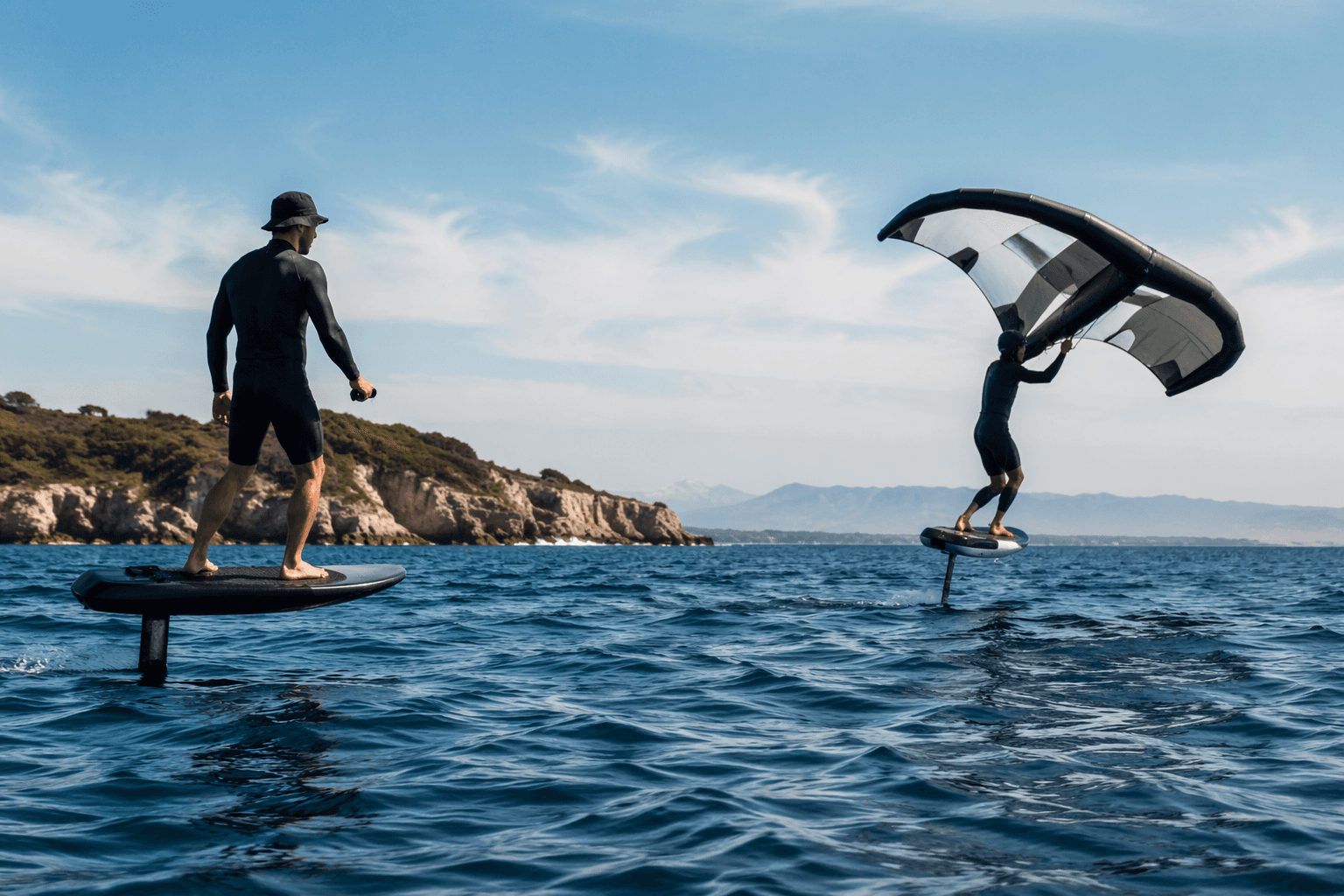
Waydoo defines the two paths clearly. An eFoil uses a battery plus motor, while a wing foil setup depends on wind and an inflatable wing. That basic difference shapes everything else, from launch prep to how quickly you get flying to what kind of local conditions will let you ride often.
The guide’s strongest point is that it does not pretend the sports ask the same thing from a beginner. One path gives you propulsion and a handheld remote. The other makes you manage the wing, the board, the foil, and the wind at the same time. For a buyer trying to choose a first serious purchase, that distinction matters more than brand language or glossy video clips.
Learning curve is where the choice gets real
Waydoo says most riders can get up on an eFoil within one to two hours. That shorter learning curve is one of the clearest advantages for buyers who want a faster payoff and less time spent fighting the basics. Because the motor does much of the work, the rider can focus on balance and speed control rather than building momentum from the environment.
Wing foiling asks more from the start. The guide notes that it takes longer because the rider has to learn wing handling, pumping, balance, and wind reading all at once. That creates a steeper first-session workload, but it also explains why wing foiling can feel more rewarding once the system clicks. The buyer question is simple: do you want quicker access to the feeling of flight, or are you willing to spend more time building the full skill set?
Local conditions decide how often you will actually use it
This is where the guide gets especially practical. Waydoo says eFoils are best suited to flat water and minimal wind, which makes them appealing in places where the forecast is inconsistent or the wind window is narrow. If your local spot is calm, sheltered, or often underpowered, the motor-assisted route gives you more usable sessions.
Wing foiling, by contrast, shines in steady winds around 12 to 20 knots. That makes it a better match for riders who have dependable wind access and want a discipline that rewards those conditions. The guide’s real-world takeaway is not just about preference. It is about whether your home water actually supports the sport you are buying into. A setup that looks cheaper or more athletic on paper can become a bad purchase if your local conditions rarely line up with it.
Cost is not just the sticker price
Waydoo puts typical starting cost for eFoils at roughly $4,000 to $10,000 or more. Wing foil setups generally start around $2,500 to $5,000. That gap matters, but the guide does not stop at the initial purchase. It pushes buyers to think about the total cost of ownership, which is where many first-time shoppers miss the real bill.
On the eFoil side, riders need to account for battery replacement and charging. On the wing foil side, the main wear item is the wing, which will need replacement over time, while fuel-related expenses are not part of the picture. The comparison is important because it shifts the conversation from what costs less today to what will keep costing money after the first season. A buyer who only looks at the entry number can easily underestimate how the sport behaves over time.

How each one feels on the water
The guide also explains the ride quality in a way that helps buyers imagine their own sessions. eFoiling is described as controlled, predictable, and almost instantly rewarding. The motor does the hard work, and the handheld remote lets the rider set speed with precision. That makes the experience feel stable and accessible, especially for someone who wants confidence early.
Wing foiling is different in both rhythm and personality. Waydoo presents it as more variable and more dependent on conditions, but also as wind-driven and performance-oriented once the rider learns the system. That distinction should matter to anyone deciding whether they want a smooth introduction or a more demanding sport that opens up as skill grows. The more control you want, the more eFoil makes sense. The more you want to work with wind as the engine, the more wing foil fits.
The decision comes down to the kind of buyer you are
The guide’s core message is straightforward: eFoils fit riders who want control and consistency, while wing foils fit riders who want wind-powered performance. That framing is why the article works as a decision tool. It asks the right questions up front: how steep do you want the learning curve to be, how often will your local conditions cooperate, and how much are you willing to spend not just to buy in but to keep riding?
For a beginner choosing a first foil discipline, that is the real test. If the goal is a faster path to riding, a predictable session, and less dependence on weather, eFoil is the cleaner match. If the goal is to embrace wind, accept a steeper start, and buy into a lower-cost setup with more performance upside once you progress, wing foil is the stronger fit. The smartest purchase is not the one with the flashiest video. It is the one that works where you actually ride.
This article was produced by Prism’s automated news system from verified source data, official records, and press releases, then run through automated quality and moderation checks before publishing. The system is built and supervised by the people who set the standards it runs under. Read our full AI policy.
Did this article answer your question?