Angers longsword event sets key checkpoint for French HEMA season
Forty-eight longsword spots and a full Sunday of practice turned Angers into a pressure test for France's HEMA circuit, not just a local tournament.

Le Défi du Chêne Blanc drew a tight line around the French longsword field: 48 entrants, one weapon, one day of pressure, and a place on the FFAMHE federal circuit. Held June 13 at Salle Jean Moulin, 2 rue des Capucins in Angers, the event was built less like a sprawling festival and more like a ranked checkpoint, where every bout carried weight in a discipline that often serves as the clearest measuring stick in French HEMA.
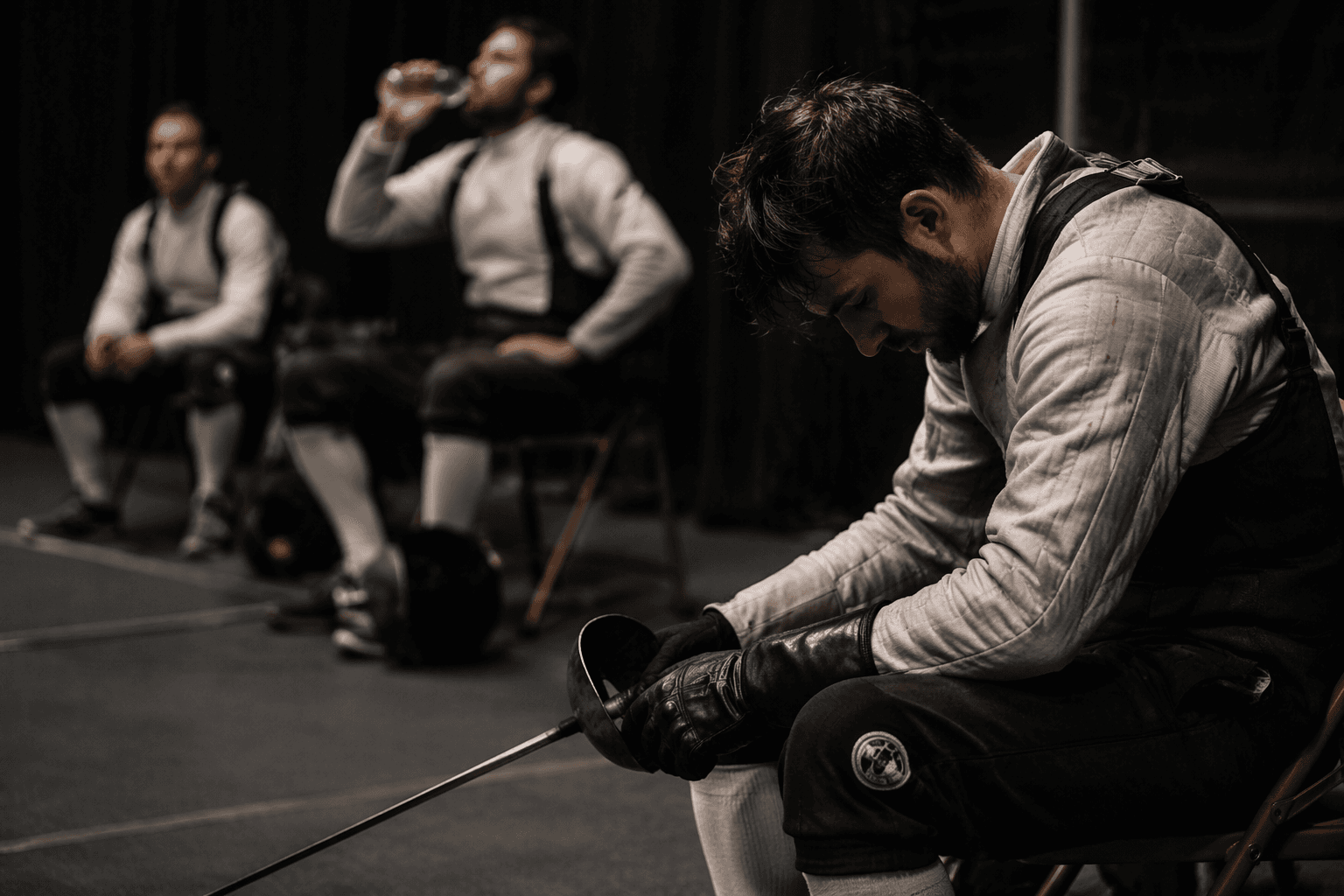
That format mattered. The competition ran from 9 a.m. to 7 p.m., with an evening meal on site and a full Sunday devoted to shared practice, giving the weekend a shape that blended hard elimination fencing with the club culture that keeps the sport organized between official stages. Angers also pushed the event into public view: the city listed it as open to spectators, a notable contrast with the more technical, closed-door feel that many HEMA tournaments still keep. In practice, that made the day legible to outsiders without softening the competitive edge inside the hall.
The Angers stop sits inside a federation structure that has matured quickly. FFAMHE was founded in 2011, even as the French HEMA community dates back to the late 1990s. The federation said that by early 2018 it gathered more than 70 clubs and about 1,500 practitioners nationwide, and its current affiliates page now describes nearly 100 affiliated associations and close to 1,500 licensed practitioners. Since 2025, FFAMHE has run an annual federal circuit made up of multiple tournaments and disciplines, but it does not award a French national champion title or select a national team. That makes the circuit less a championship ladder than a national proving ground, where placement and consistency matter as much as any single trophy.
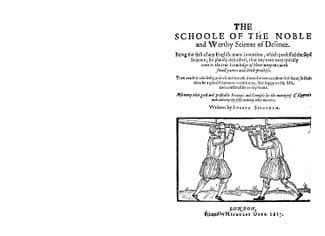
The federation’s own framework explains why a small field can still carry national significance. Its competition charter points to older European traditions such as Fechtschulen in the Holy Roman Empire and prize games in France and Flanders, while its rules emphasize safety, a mandatory arbitral corps for each competition, protective equipment, and FFAMHE membership for competitors. In that context, a 48-fencer longsword bracket is not a restriction so much as a filter, one that concentrates judging, reduces noise, and sharpens comparisons across clubs and regions.
Angers also arrived with a clear benchmark in the background. The 2025 federal tournament ended after three competitions and 135 competitors from 40 clubs, through the Montpellier Hema Tournament, La Fosse aux Lions in Écully, and La Bravade in Clermont-Ferrand. Against that scale, the Angers stage was smaller but more focused, and for Formation d’escrime Historique Andégave, the local club behind the event, that was the point. Based in Angers and active in longsword, messer, rapier, and sword-and-buckler, the club helped frame Le Défi du Chêne Blanc as both a competition stop and a public demonstration of how far French historical fencing has been organized, federated, and made relevant.
This article was produced by Prism’s automated news system from verified source data, official records, and press releases, then run through automated quality and moderation checks before publishing. The system is built and supervised by the people who set the standards it runs under. Read our full AI policy.
Did this article answer your question?