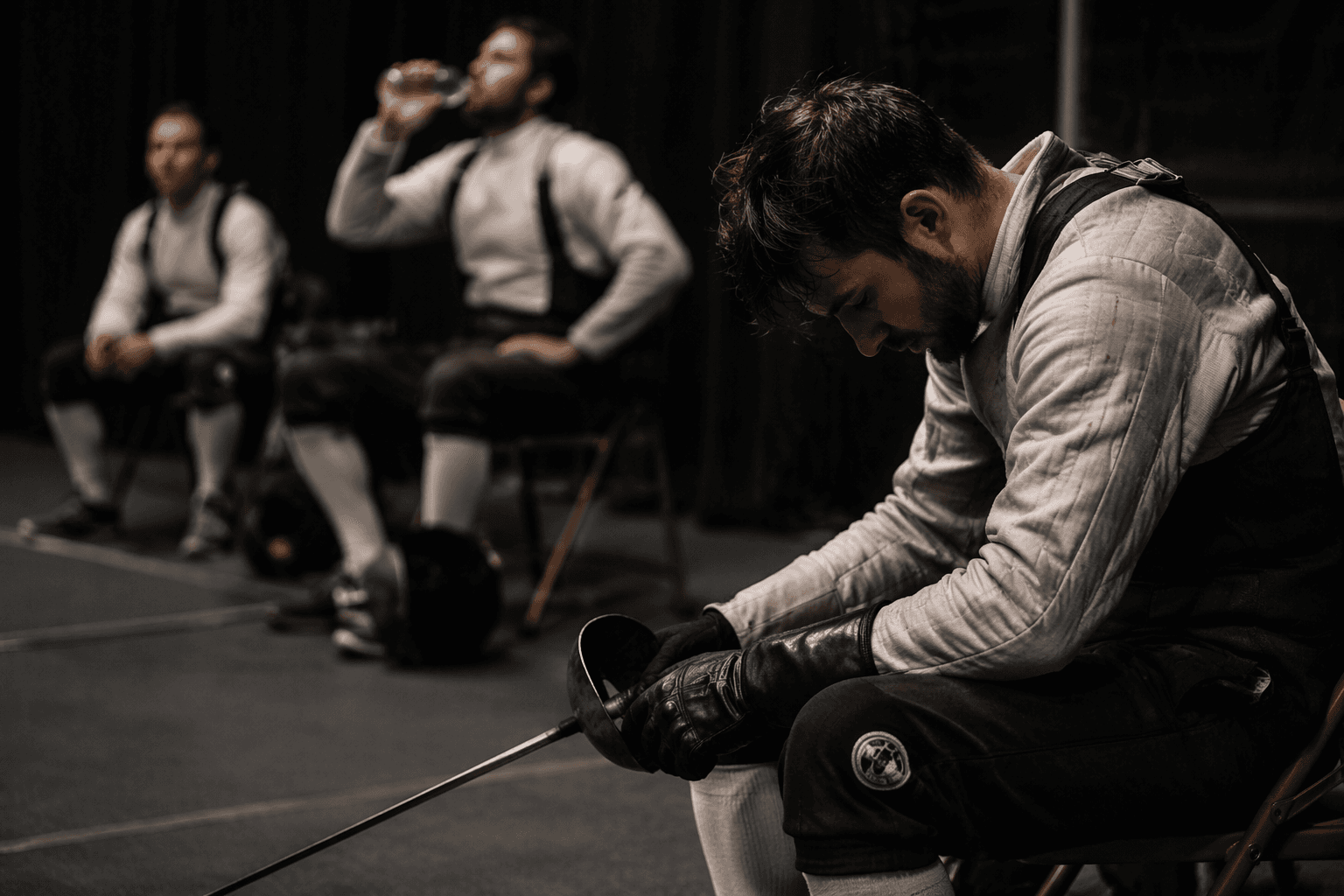
Angers longsword tournament caps field at 48 for FEHA 2026 weekend
Angers put a hard 48-fighter cap on a longsword-only FEHA stop, pairing national circuit stakes with referee recruitment and a Sunday exchange day.

Angers turned its FEHA stop into a deliberately narrow test of quality and demand, limiting the card to longsword and capping the field at 48 fighters. The tournament ran Saturday, June 13, from 9 a.m. to 7 p.m. at Salle Jean Moulin, 2 rue des Capucins, and the weekend also stretched into Sunday with practice and exchange activities. Spectators were welcome, but the format left no doubt that this was built as a controlled competitive day rather than a broad HEMA festival.
That restraint mattered because the Angers stop sat inside the FFAMHE federal circuit, which began in 2025 and brings together multiple tournaments and disciplines organized by affiliated associations. FFAMHE’s 2025 edition closed after three competitions with 135 competitors from 40 clubs, a scale that made Angers’ compact field look less like a limitation than a selection mechanism. Public notices tied to the event described about thirty longsword competitors from across France divided into six pools on three lices, while another listing set the ceiling at 48 fighters across eight pools on four lices. However the bracket was ultimately drawn, the message was the same: Angers chose a tight field and a single weapon.
The staffing plan pointed in the same direction. The organizers were actively seeking experienced referees, and arbitration duties were scheduled in advance so officials could be balanced between judging and any chance to compete. Referees and assessors received free entry, a practical incentive that showed how much tournament infrastructure is required even for a weekend built around one discipline. FFAMHE’s competition charter says arbiters are necessary at every event, and its own history reaches back to 2011, with the French HEMA scene tracing further to the late 1990s. The federation also frames modern competition in a deeper European tradition, citing Fechtschulen in the Holy Roman Empire and prize plays in France and Flanders.
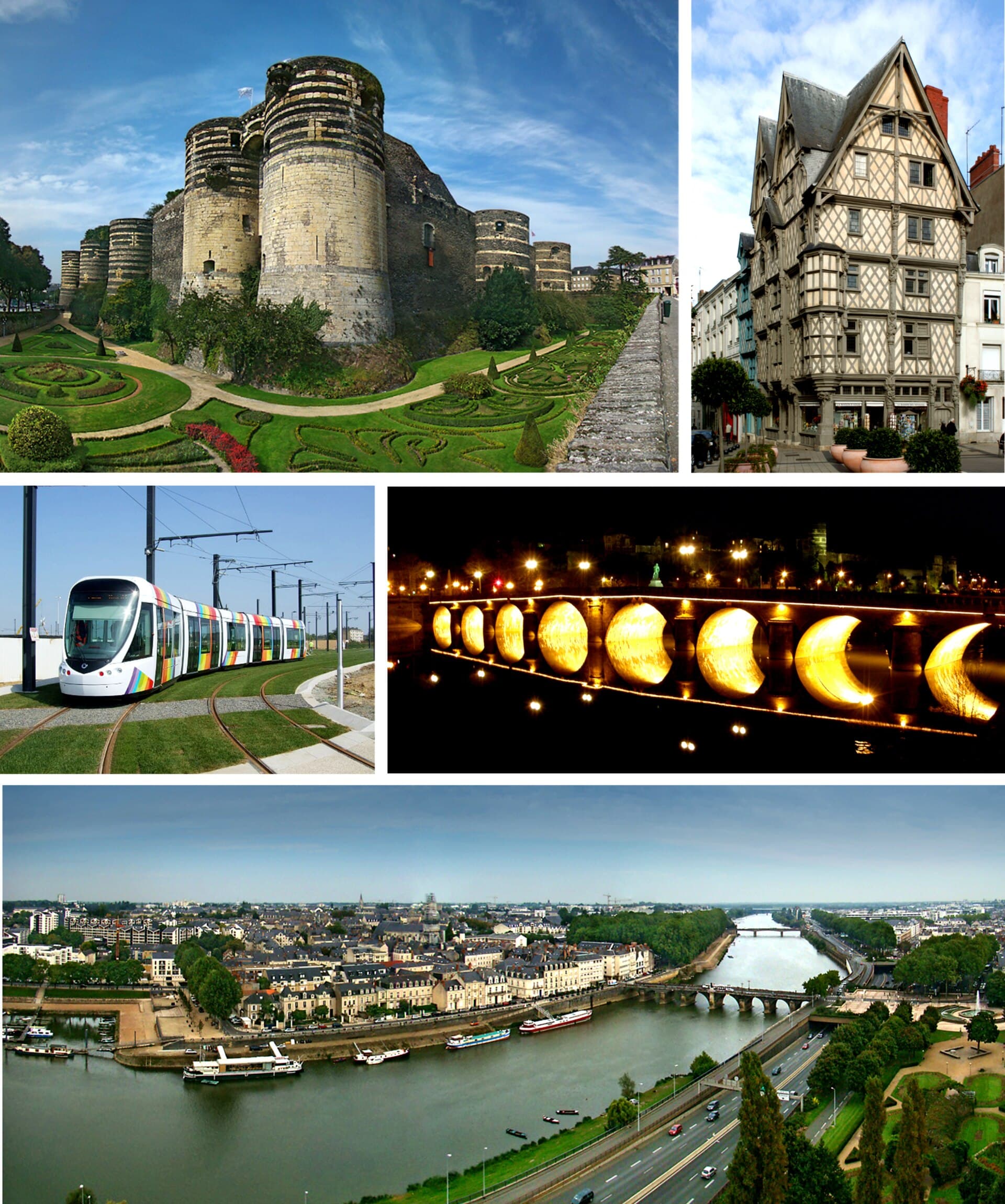
The social side was just as structured as the fencing. A Saturday-night dinner handled by a local caterer featured buckwheat galettes, with gluten-free, pork-free and meat-free options available, followed by an overnight social gathering and a sharing day on Sunday. FEHA, the Angers club behind the stop, practices multiple AMHE disciplines including longsword, messer, rapier and sword-and-buckler, which makes the tournament feel less like a one-off showcase than one expression of a broader club ecosystem. In Angers, the narrow format looked intentional: one weapon, one day, one federal checkpoint, and a field small enough to signal seriousness.
This article was produced by Prism’s automated news system from verified source data, official records, and press releases, then run through automated quality and moderation checks before publishing. The system is built and supervised by the people who set the standards it runs under. Read our full AI policy.
Did this article answer your question?