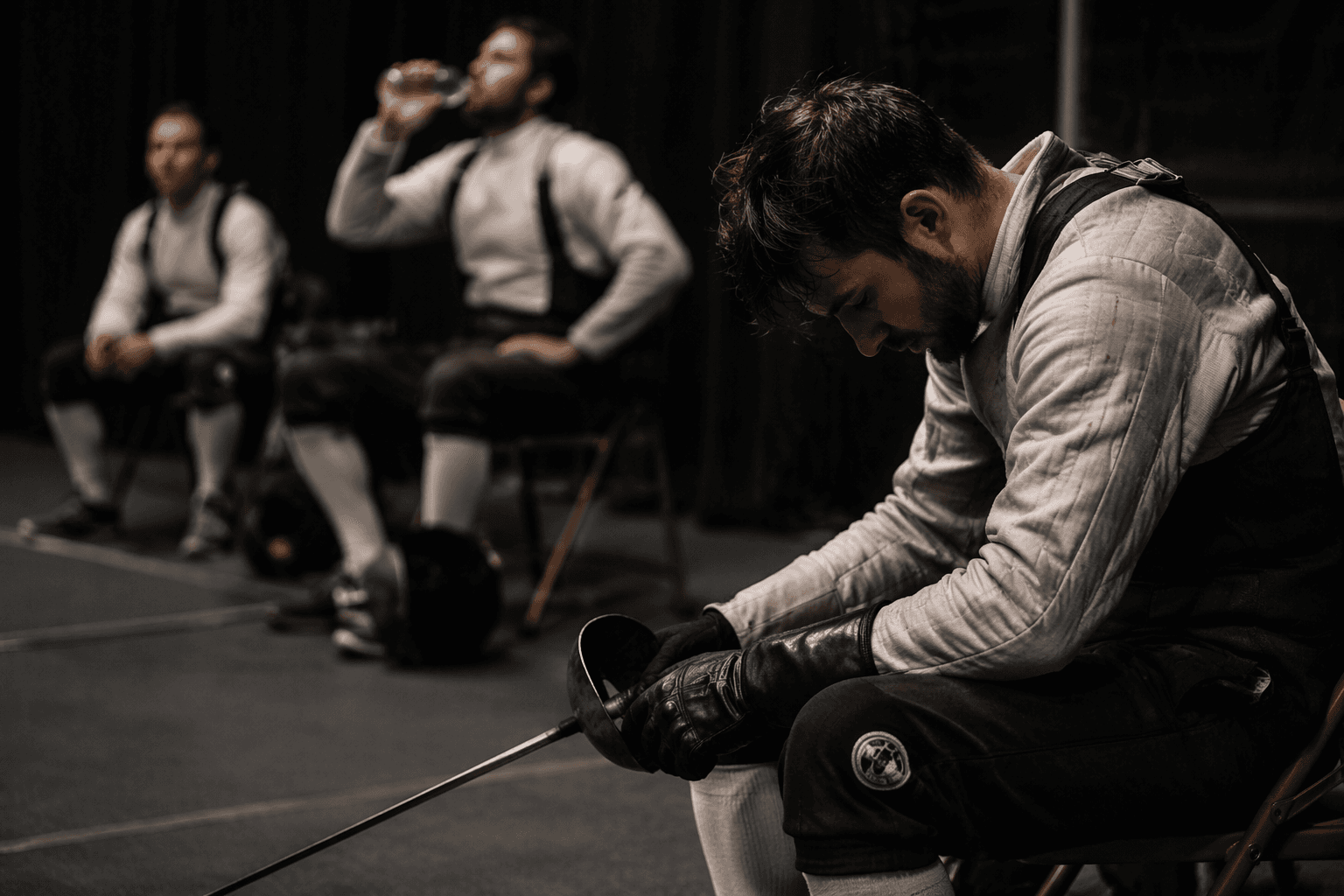
Crossing Fight School adds Codex Wallerstein dagger class on June 14
Crossing Fight School’s June 14 class shifted the one-handed series into dagger work, with Codex Wallerstein plays anchoring the lesson.
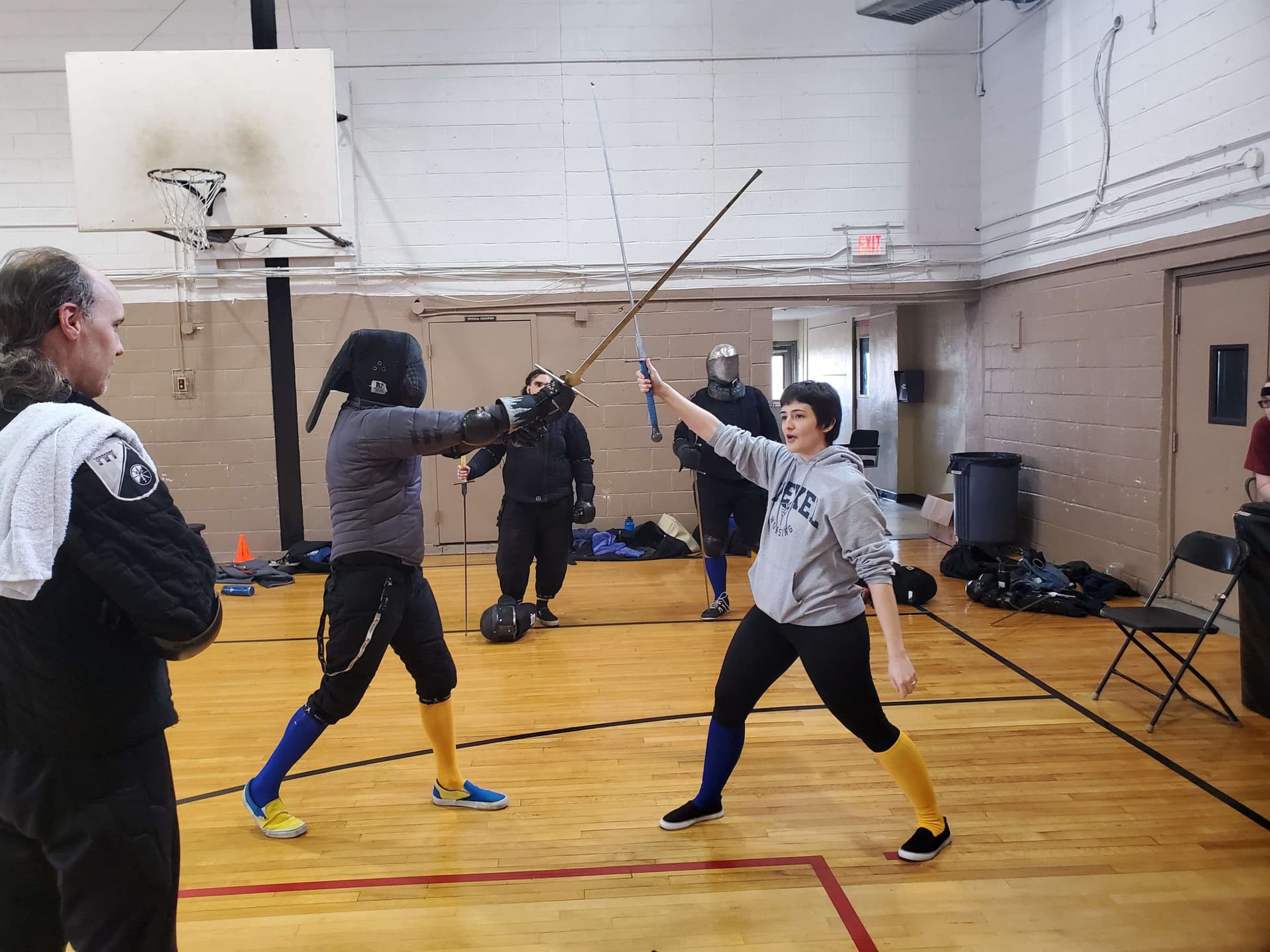
Crossing Fight School kept its one-handed training sequence moving on June 14, and this time the focus turned from the opening June 7 session to a long-awaited dagger class. The timing fit the day: with uncomfortable weather expected, the club chose close-in material that did not demand the same high-exertion movement as broader weapon drills.
The lesson centered on dagger plays from Codex Wallerstein, with the instructor planning to review a series of examples and possibly add more. That choice matters because dagger work in HEMA is less about spectacle than control. It asks for precision at short range, disciplined distance management, and sharp timing, the same tactical habits that carry into other one-handed systems.
The class also showed how Crossing Fight School sequences its curriculum. After the June 7 session kicked off a run of one-handed classes, the June 14 lesson continued the progression rather than breaking from it. The school did not treat dagger as a side note or a warm-up topic; it placed the weapon squarely in the middle of the training arc, as a technical step that builds on earlier work.

That approach fits the club’s larger identity. Crossing Fight School describes itself as a branch of the Medieval European Martial Arts Guild in Southampton, New Jersey, and its core emphasis remains German longsword rooted in Liechtenauer. Even so, the class schedule shows a regular structure of warm-ups, a main lesson, and a final sparring block, which gives the dagger session a clear place inside a broader training method.
The Codex Wallerstein material also gives the school historical breadth. Dagger lessons drawn from a specific source let students see how one-handed weapon use changes across the historical record, rather than assuming that longsword is the only center of HEMA practice. For a club that has been building out a one-handed series, that is the real story: the curriculum is widening without drifting away from its source-based foundations.
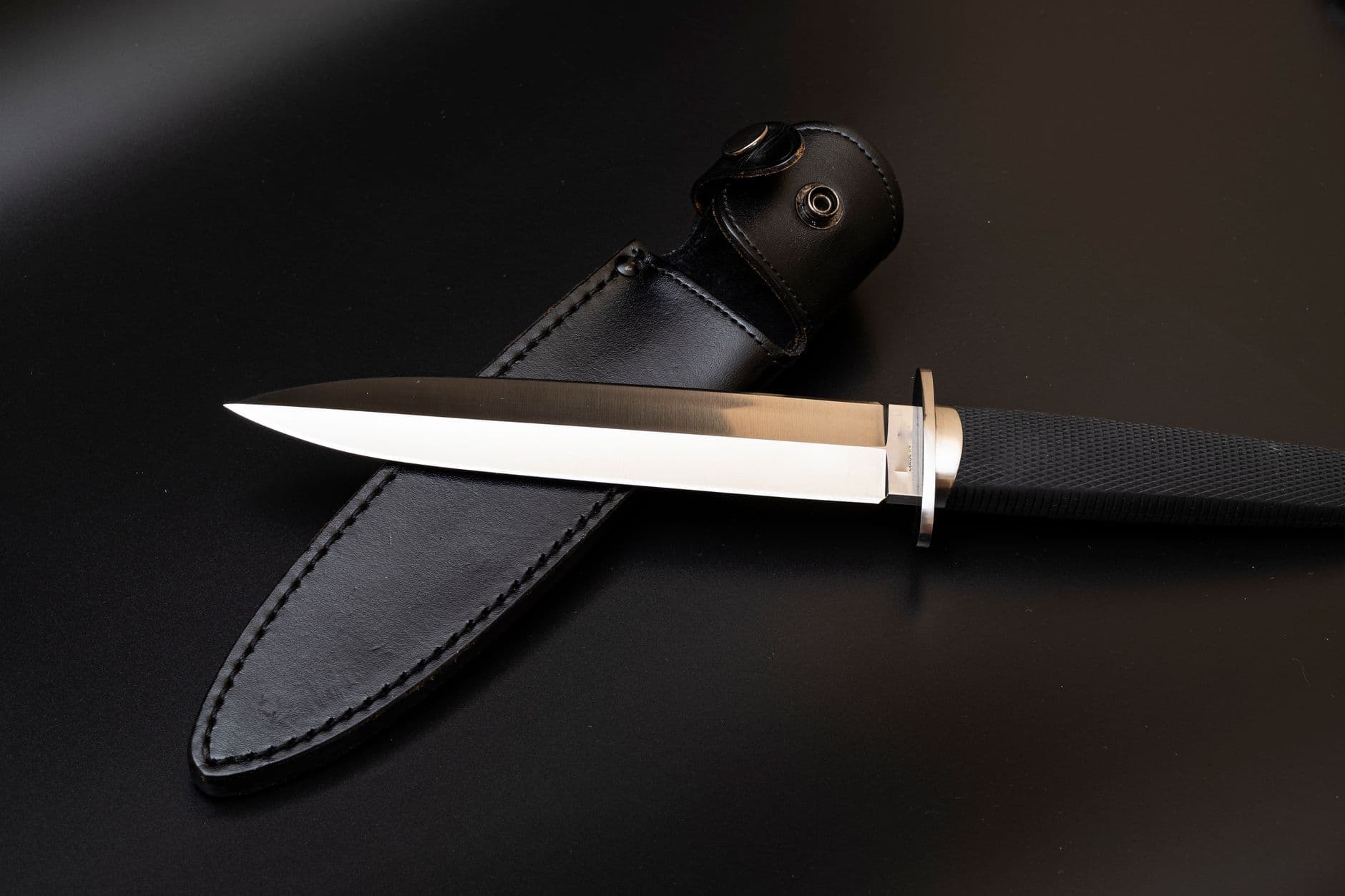
For students, the June 14 class was more than a weather-conscious scheduling choice. It marked a deliberate step in technical development, linking the control of dagger fighting to the same historical discipline that underpins the rest of the club’s work.
This article was produced by Prism’s automated news system from verified source data, official records, and press releases, then run through automated quality and moderation checks before publishing. The system is built and supervised by the people who set the standards it runs under. Read our full AI policy.
Did this article answer your question?