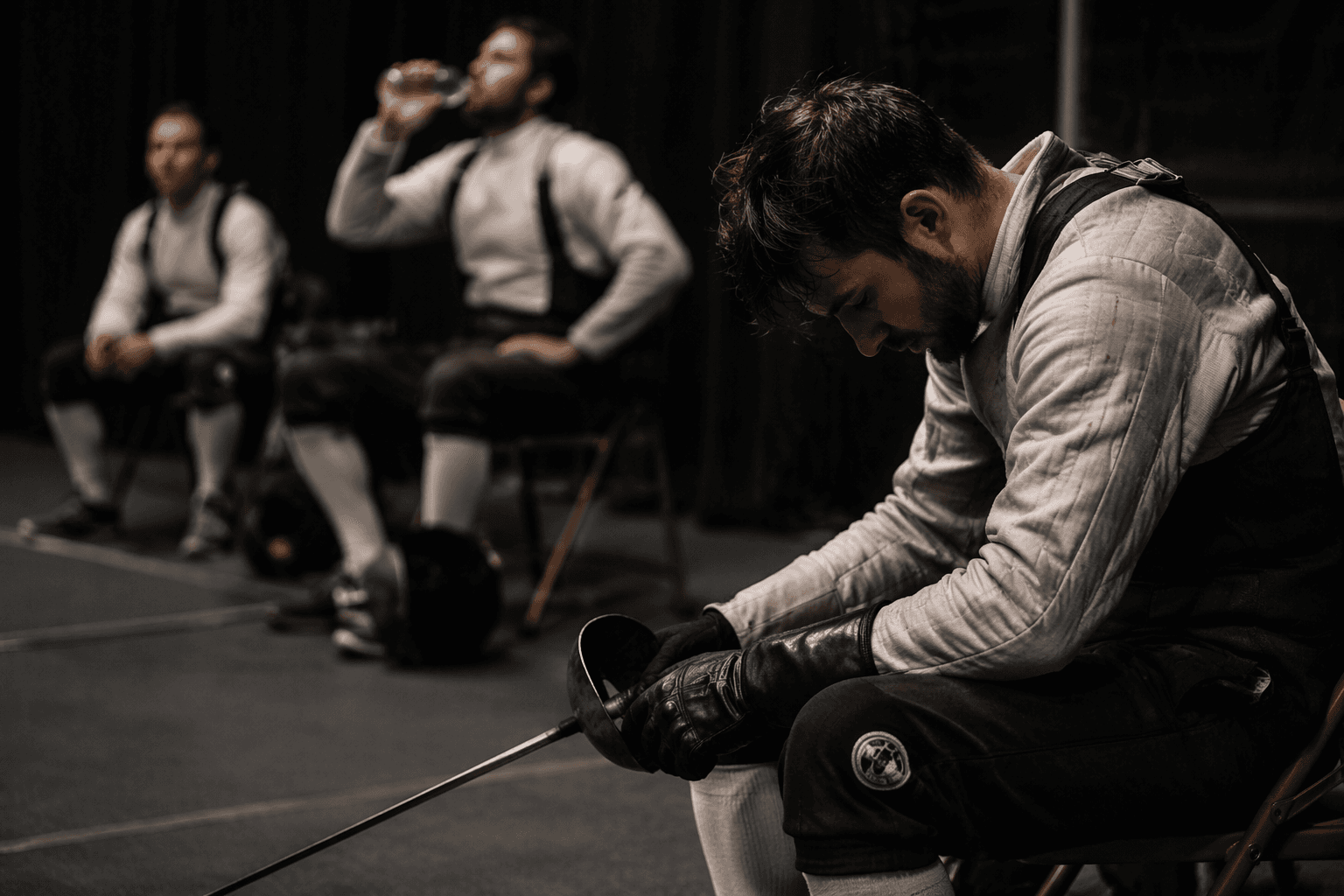
Dallas Historical Fencing mixes open floor, longsword and rapier training
Dallas Historical Fencing’s June slate pairs open floor with longsword and rapier work, giving beginners, returning fencers and veterans a clear entry point.
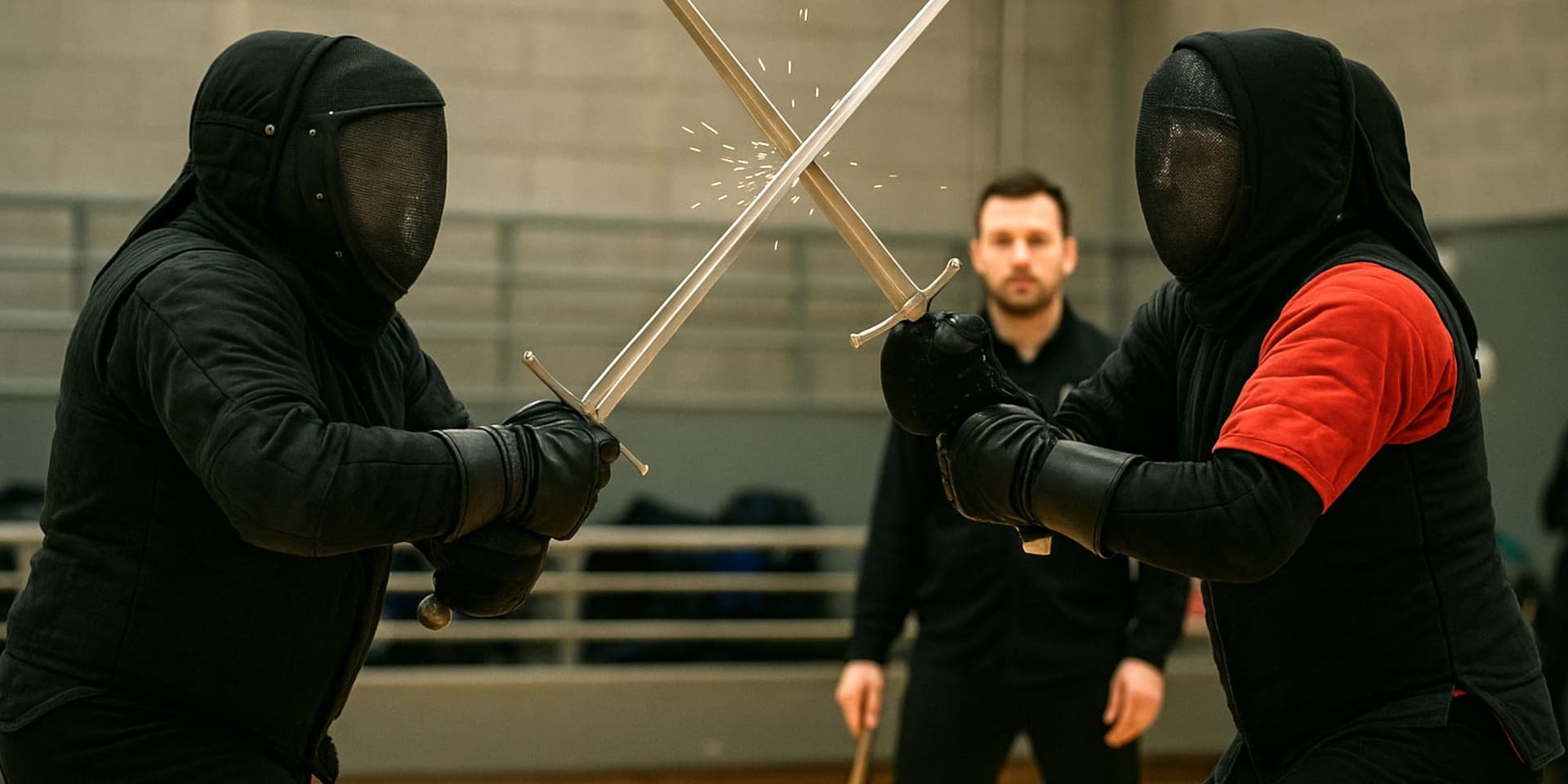
Dallas Historical Fencing is turning June into a practical training map rather than a static calendar. The Irving club’s schedule mixes open floor, technical longsword, rapier work and a beginner-friendly Saturday class, so fencers can choose between extra reps, structured instruction or a first look at the club. In a Dallas-Fort Worth scene that stretches across a large metro area, that balance is what keeps a HEMA school useful week after week.
June’s schedule shows a club built for different kinds of fencers
The month opens with an Open Floor session on Thursday, June 4 in Irving, then shifts to a Longsword Technical and Beginner’s class on Saturday, June 6 at Lonestar Combat Academy, 940 N Belt Line Rd, Suite 125, Irving, TX 75061. Another Open Floor follows on Monday, June 8 in Irving, and Wednesday, June 10 brings both a Rapier Technical session and a Longsword Practical session back in Irving. The club also lists an Open House for Saturday, Dec. 20 in Irving, which hints at outreach that reaches beyond the immediate June training cycle.
That spread matters because it gives each kind of fencer a place to land. A person looking for live reps can jump into open floor. Someone trying to sharpen mechanics can choose the technical sessions. A newcomer who wants a structured introduction can walk straight into the beginner track without being thrown into the deep end.
Why open floor is the engine room
Dallas Historical Fencing describes Open Floor as a place for free sparring, individual instruction and exploration of different weapons and systems. In practice, that makes it the club’s most flexible training block, the kind of session where members can test distance, recover from mistakes and experiment with matchups without the pressure of a fixed syllabus.
That flexibility is especially valuable in a club that says it holds six weekly training sessions and charges $125 per month. Open floor helps members make the most of that recurring schedule by turning time in the salle into repetition, and repetition into timing. For more experienced fighters, it is where polish happens. For newer members, it is where the club’s culture becomes visible: less lecture, more blades moving, with room for coaching between bouts.
The Monday and Thursday open floor slots also give the club a cadence that supports retention. One night can be used to work on a weak point from the previous session, and another can serve as a reset before the weekend. That rhythm is often what keeps local martial arts communities alive.
Technical longsword gives the month its structure
Wednesday evening is dedicated to drilling technical longsword lessons, and that emphasis shows up clearly in the June calendar. The Longsword Technical and Beginner’s class on June 6 pairs the club’s structured teaching with a separate beginner area, while the Wednesday, June 10 Longsword Practical session keeps the focus on applying what has been learned.
The Saturday afternoon class is built around fundamental longsword fencing skills and the application of techniques, and the Beginner’s Course runs in a separate area. That split is one of the most useful features in the whole schedule: it protects the pace of the main class while giving newer students a true on-ramp. The Beginner’s Course itself is held the first Saturday of every month from 3:30 to 6:00 pm, loaner gear is provided, and students must be 15 or older.
The beginner curriculum is rooted in Johannes Liechtenauer’s longsword tradition. DSHF says it introduces stances, cuts, footwork, tactical approaches and some more advanced concepts, which means the first session is not just about swinging a sword. It is about giving students a frame for how the art works, how they move, and how they start to think like fencers.
Rapier widens the club’s range
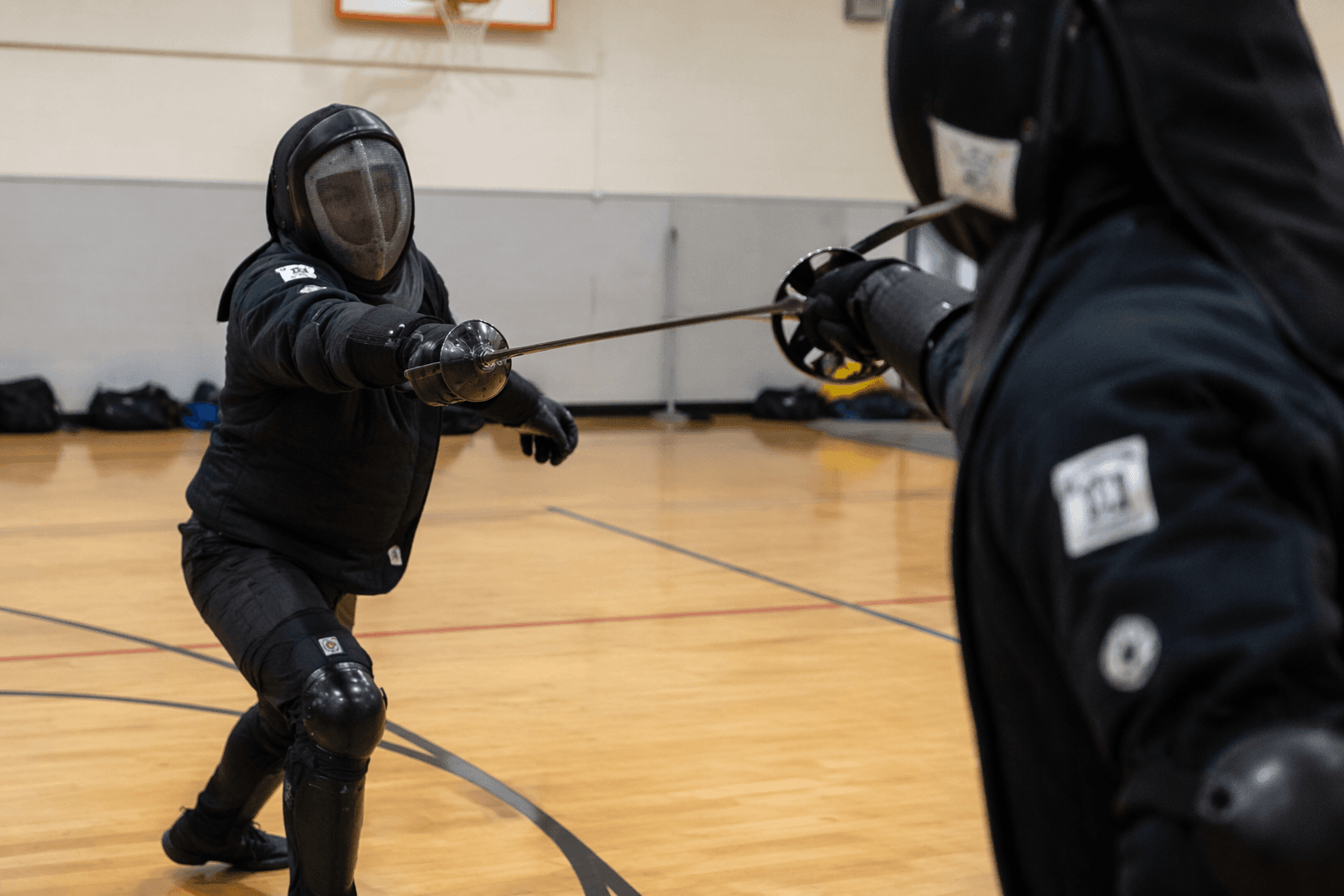
The June 10 Rapier Technical session shows that Dallas Historical Fencing is not locking itself into a single weapon or a single identity. The club identifies its focus as early 15th-century Kunst des Fechtens, tied to Liechtenauer, while also training rapier and other systems. That combination gives the Dallas group a broader appeal than a one-weapon school, and it reflects how modern HEMA clubs often survive: by offering enough variety that different historical interests can coexist under one roof.
Jack Murray’s background helps explain that breadth. He specializes in early 17th-century Italian rapier and 18th-century British military swordsmanship, and he has earned medals in longsword, rapier and sabre at tournaments including SoCal Swordfight and the Southeastern Renaissance Fencing Open. When a club can move from longsword practical work to rapier technical training in the same week, it gives members a chance to cross-train without leaving the room.
That kind of programming also matters culturally. In a big metro like Dallas-Fort Worth, a club that serves both longsword devotees and rapier specialists is not just preserving history. It is building a community wide enough to hold multiple entry points, multiple tastes and multiple levels of experience.
The instructors give the program its shape
The instructor roster reinforces that sense of range. Lead instructor Brandon Phan began HEMA in 2019 and studies Liechtenauer’s Kunst des Fechtens, so the club’s core is firmly rooted in historical German fencing. Paige Smith also began in 2019, brings competitive experience in women’s longsword and has received the Titan Slayer award in mixed/open longsword, giving the club a competitive edge alongside its historical focus.
Clark Simon comes from sport fencing and has earned multiple medals across the country, which suggests a teaching environment that values structure, athleticism and transferable blade skill. That mix of backgrounds is exactly what a modern HEMA club needs if it wants to keep both its technique and its energy sharp.
A club built for access, not gatekeeping
DSHF says it does not discriminate against students or potential members because of gender, race, sexual orientation, country of origin or religion. Paired with loaner gear, a beginner course that starts every month and a session mix that includes open floor and technical work, that policy makes the club feel designed for entry as much as for advancement.
The result is a June schedule that reads like a working system rather than a list of dates. Open floor creates space for experimentation, technical classes create standards, and beginner sessions create a pathway in. The Open House set for December 20 suggests the club is still planning ahead, but the real story is already in motion: Dallas Historical Fencing is using June to keep recruitment, retention and skill-building moving at the same time.
This article was produced by Prism’s automated news system from verified source data, official records, and press releases, then run through automated quality and moderation checks before publishing. The system is built and supervised by the people who set the standards it runs under. Read our full AI policy.
Did this article answer your question?