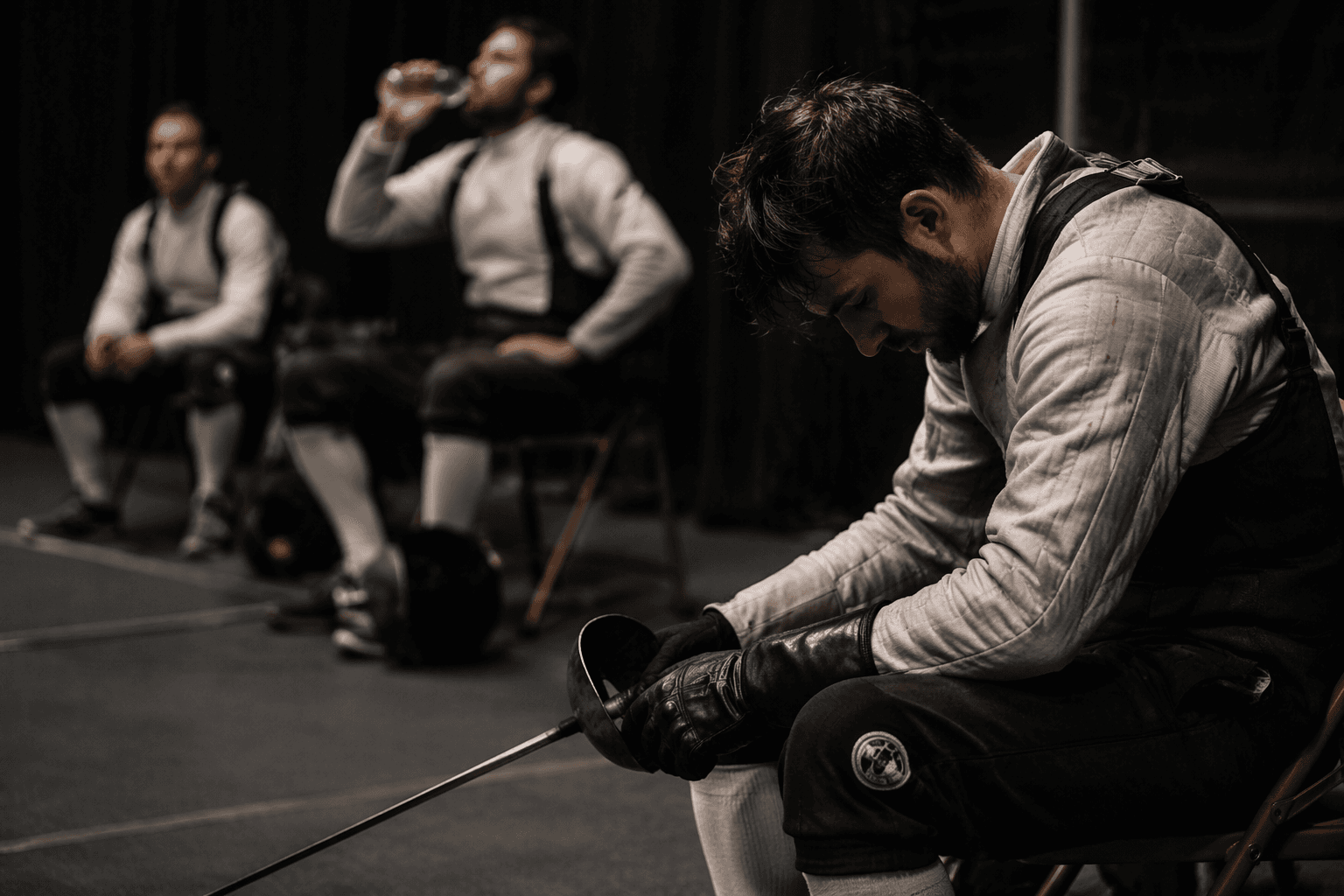
HEMA Alliance reshapes instructor certification to prioritize safety and teaching
HEMA Alliance's certification now rewards safe teaching, not just historical knowledge, and that changes everything from insurance to club trust.
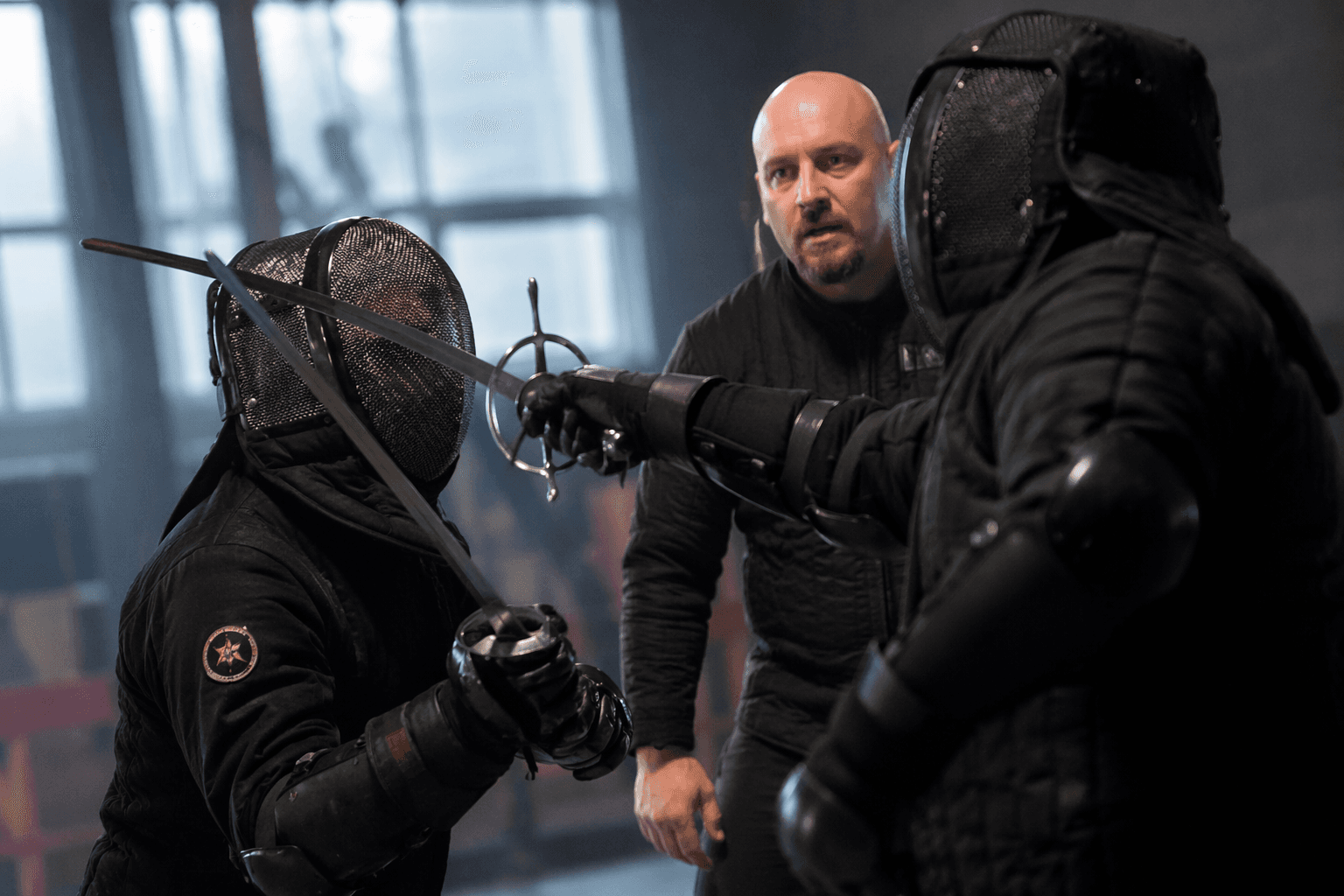
Candidates in the HEMA Alliance’s Instructor Certification Program complete written and online materials, then move through an OSHA-approved first aid course, SafeSport training, a third-party background check, a written exam, and a practical 25-minute teaching exam. The HEMA Alliance is using that system to push clubs toward the standards of a credible sports organization. The program is built around safety, teaching, and accountability, not around proving who knows the most about a medieval treatise.
Certification that measures the job, not the pedigree
The sharpest change in the HEMA Alliance’s Instructor Certification Program is what it is not. It is not an exam in historical-system mastery or a test of whether a candidate can recite martial context on command. It is designed to help instructors run safe and effective classes, with training centered on safety policies, leadership, and basic teaching skills.
That philosophy shows up in the required steps. Knowing the sources is useful, but if you cannot control a class, explain a drill, or stop a problem before it turns into an injury, you are not ready to teach.
The renewal cycle reinforces that standard. HEMA Alliance certifications expire after three years, and renewal requires current first aid certification and new SafeSport training.
Why SafeSport changes the trust equation
The SafeSport requirement is where HEMA’s amateur culture starts to look more like organized sport. The SafeSport Core course is a 90-minute online training and the initial requirement across U.S. National Governing Bodies. It is designed to help participants recognize, prevent, and respond to abuse, and SafeSport says it has supported more than 5,000 organizations.
The HEMA Alliance says the background check includes a Social Security number trace, criminal-convictions screening, and checks against national watch lists and sex-offender registries, while the organization receives only a basic flag report.
The U.S. Center for SafeSport’s Minor Athlete Abuse Prevention Policies limit one-on-one adult-minor interactions and cover meetings, training sessions, locker rooms, electronic communications, transportation, and lodging.
Open governance without turning into a federation
The HEMA Alliance’s credibility also rests on how it governs itself. It describes itself as a U.S. 501(c)(3) educational nonprofit service organization, and says its structure is built around three democratic bodies: a Board of Directors, a Governing Council elected by the membership, and a Curriculum Council that handles research and training programs.
It is also explicit about what it is not. It is not a governing body or enforcement organization. In practice, it is trying to provide standards, support, and shared infrastructure without becoming the sole authority over every sword club and every interpretation of every source.
The same logic shapes its Freedom of Study policy. Curriculum work is meant to guide and support, not to become a mandate. Membership is not framed as a system of exclusion.
The club infrastructure behind the credential
The certification program makes more sense when you look at the rest of the Alliance’s ecosystem. Its How to HEMA project was spearheaded by board member Sigmund Werndorf and copy edited by Helen Burak, and it was built because clubs often have to reinvent basic operational systems from scratch. Volunteer-run groups often have the same people teaching, booking venues, managing fees, and putting on events.
The Alliance says there are hundreds of HEMA clubs and schools around the world, and its official Facebook group has 9,000-plus members and keeps growing. Resources like Wiktenauer, the largest free public library of HEMA manuscripts and books, and HEMA Scorecard, an open-source tournament platform, are part of the same infrastructure stack as the instructor program: free tools, shared standards, and fewer reinventions of the wheel.
The International Federation of Historical European Martial Arts describes HEMA as a worldwide movement for the safe and efficient practice of European martial heritage, with room for both martial arts and martial sports practice. The sport can be historical, but its clubs still have to handle attendance lists, class plans, injuries, and tournament logistics like any other contact sport.
What changes for members, parents, insurers, and organizers
For members, the most visible change is the quality of the class in front of them. A certified instructor has had to show first aid readiness, complete abuse-prevention training, pass a background check, and demonstrate teaching ability in a timed practical exam.
SafeSport training, the background-check requirement, and the Alliance’s repeated emphasis on safety policies make the club easier to trust when minors are involved. For insurers, the appeal is even more practical: the Alliance says affiliates must operate as nonprofits, and practices and events must be registered in advance to be covered by insurance. Yearly rosters are part of compliance for some support as well.
For event organizers, the system reduces guesswork. A club that can document certification, first aid, SafeSport training, and registered activity is easier to work with than one relying on handshake promises.
This article was produced by Prism’s automated news system from verified source data, official records, and press releases, then run through automated quality and moderation checks before publishing. The system is built and supervised by the people who set the standards it runs under. Read our full AI policy.
Did this article answer your question?