HEMA Camp 1378 ties medieval castle setting to martial arts sources
HEMA Camp 1378 turns a Lithuanian castle into a source-first training retreat, tying late-14th-century walls to the manuscripts that built modern HEMA.
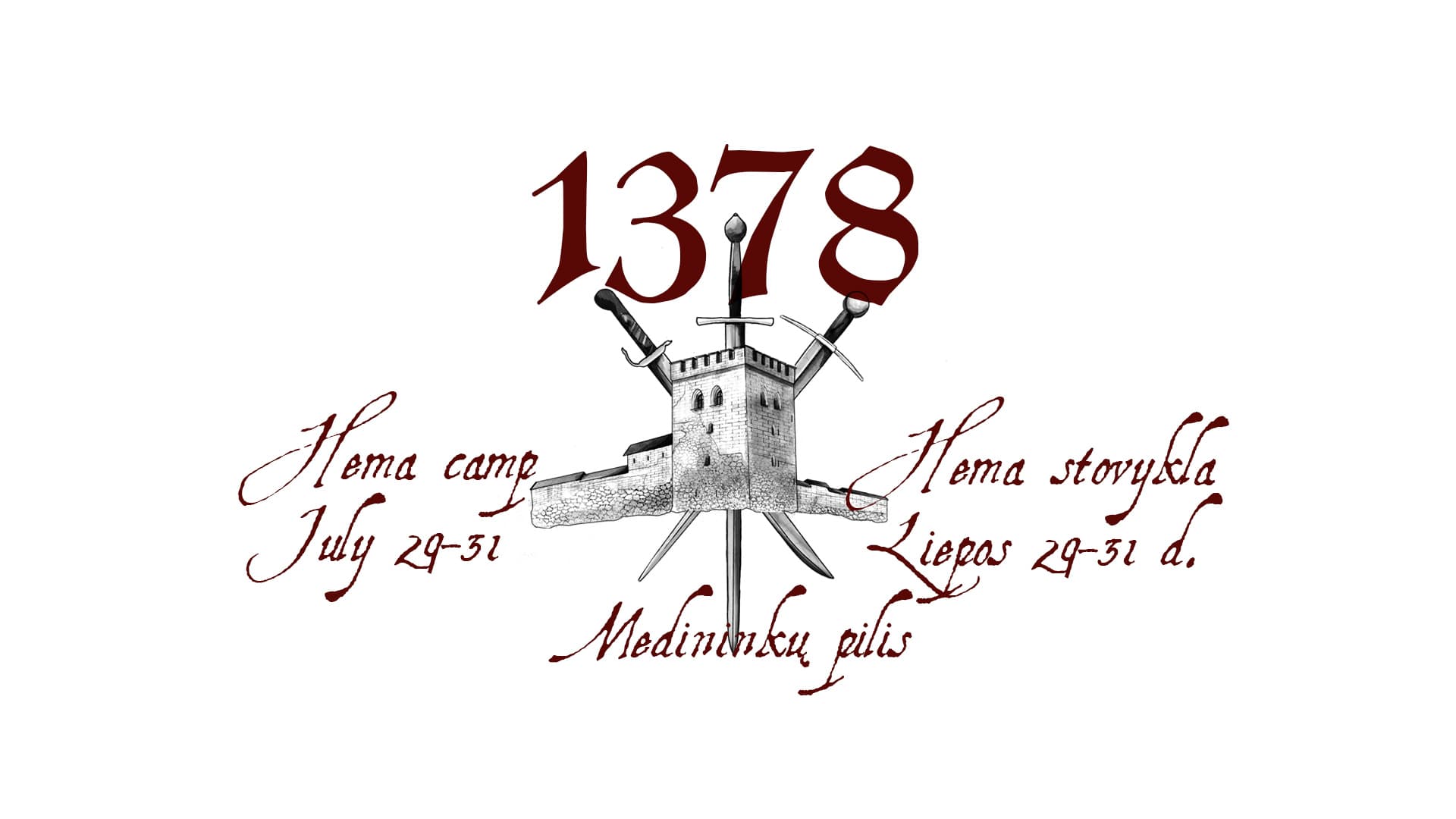
HEMA Camp 1378 is the rare HEMA event that makes the source work feel like the main card. Instead of selling itself as a podium hunt, it centers source interpretation, drilling, and peer study at Medininkai Castle in Lithuania, a three-day camp built around the same late-14th and 15th-century world that produced the fight books modern practitioners still argue over.
Why the number 1378 matters
The name is not just a branding flourish. Organizers tie 1378 to the castle’s first written mention, and that date sits neatly inside the period when detailed descriptions of medieval European martial arts start to appear in surviving manuscripts. That is the core logic of the camp: the venue and the art’s documentary roots point to the same historical horizon.
The price range, listed at €110 to €250, reinforces that this is not a casual open floor. It reads like a structured multi-day program, the sort of event where you expect long blocks of instruction, time to pressure-test interpretations, and enough downtime to compare notes with people who are working from the same sources but not the same conclusions. That is where camps like this often do their best work, because the value is not only in fencing rounds, but in how the round gets understood afterward.
The timing matters too. On June 10, the camp lands as a deliberate alternative to medal-first coverage, the kind of HEMA programming that treats the bracket as optional and the manuscript as essential. If you care about how the art is built, not just how it is scored, this is the part of the calendar that tends to shape a season.

Medininkai Castle is more than a backdrop
Medininkai Castle gives the camp a setting with actual historical weight, not just photo-friendly stonework. Lithuanian tourism and heritage sources describe it as a medieval fortress built in the first half of the 14th century, and one of the best-preserved castles in Lithuania, with double defensive ditches, a wall, four permanent exhibition halls, and a five-story main tower. In other words, the place has enough texture to justify the setting even before anyone picks up a simulator.
The castle’s historical record lines up with the camp’s chosen era. One source places its first mention at the end of the 14th century, another dates the first historical reference to 1387 in Teutonic Order scout route descriptions, and the Trakai museum material says the castle played its most important role in the late 14th and early 15th centuries. That is the same century band that matters for early HEMA source work, which is why the venue feels more than decorative.
There is also a harder edge to the site’s past. A heritage source notes a 1402 siege by Crusaders and Švitrigaila that failed to take the castle, while museum material says Vytautas the Great wrote two letters there. Later fires in the 15th and 16th centuries damaged wooden structures, but the site endured. That mix of military history, political use, and survival gives the camp a backdrop that is historically coherent, not just picturesque.
What source-first HEMA looks like here
The event’s real identity is intellectual. HEMA rests on surviving manuals and treatises from the 14th through 17th centuries, and modern reconstruction depends on treating those fight books as primary sources rather than decorative inspiration. That means the camp is not just about moving well, but about moving in a way that can be defended against the text.
The late-14th-century material is especially important because it marks the point where detailed martial writing starts to become visible. ARMA’s pre-1650 manuscript list includes an influential German fencing manuscript dated to 1389, associated with Hanko Döbringer, and that date lands almost exactly where Camp 1378 wants to plant its flag. You do not need a tournament bracket to see the appeal: this is the historical sweet spot where the archive and the body meet.
That is why the camp’s emphasis on source interpretation and peer study matters so much. The best version of this kind of event is not one person lecturing from a pedestal, but a room full of practitioners comparing readings, testing interpretations on the floor, and revising what they thought they knew. If the castle setting adds anything beyond atmosphere, it is this: the walls make the source talk feel a little less abstract and a little more immediate.
Why this camp belongs on the HEMA calendar
HEMA events often split into two camps of their own, the tournament side and the study side. Camp 1378 lands squarely in the second group, but that is not a consolation prize. For serious practitioners, a three-day retreat that puts source work, drilling, and historical context ahead of medals can be more useful than a weekend of bracket stress, especially when the venue itself comes from the same centuries as the material under study.
The castle matters because it is not merely medieval-looking. It is tied to the late 14th and early 15th centuries, the same period when medieval martial arts sources begin to show up in surviving form, and that makes the event’s framing unusually tight. The result is a camp that uses place to sharpen purpose: not to cosplay the past, but to study it with a floor under your feet and a source in your hand.
This article was produced by Prism’s automated news system from verified source data, official records, and press releases, then run through automated quality and moderation checks before publishing. The system is built and supervised by the people who set the standards it runs under. Read our full AI policy.
Did this article answer your question?