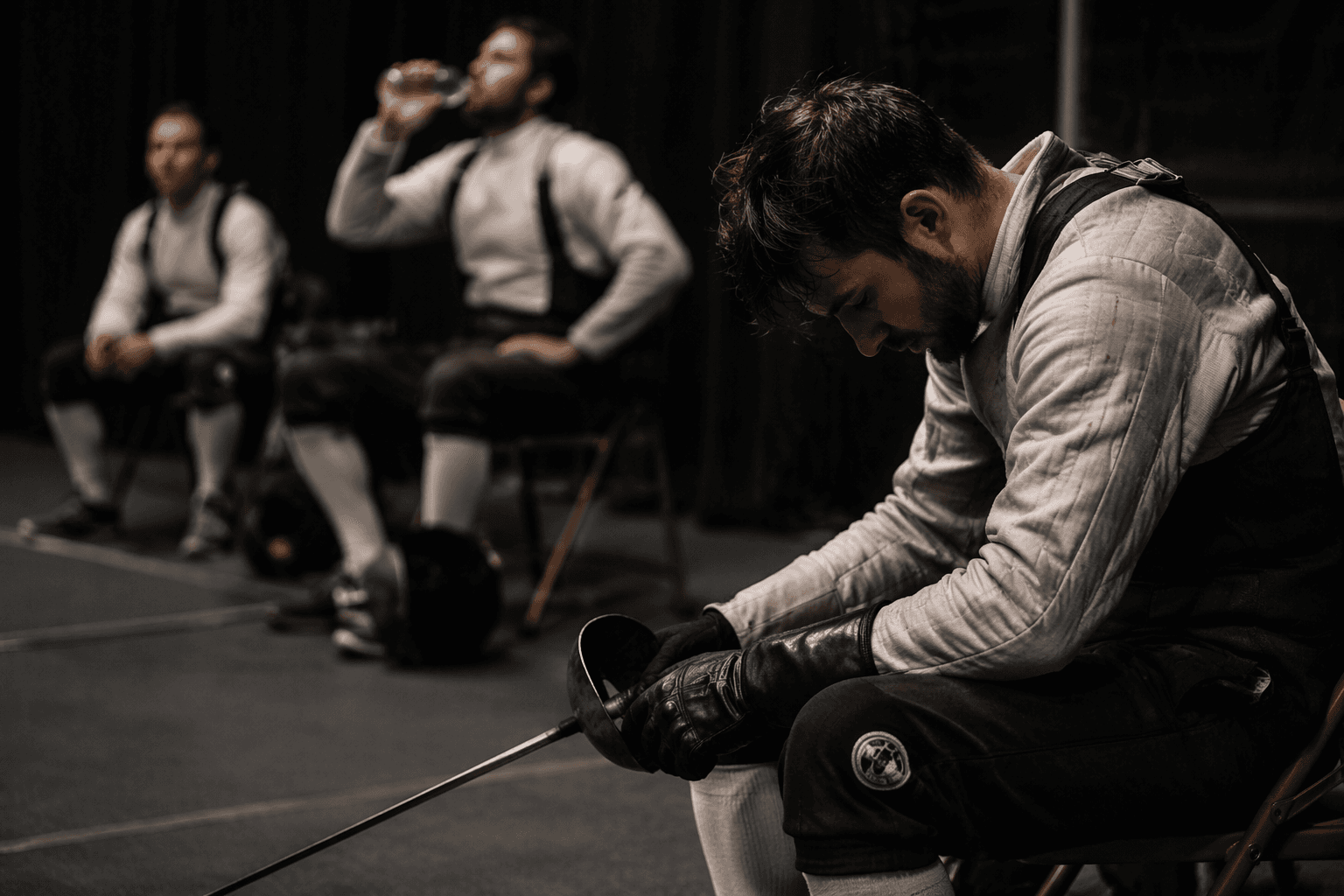
HEMA clubs build training, community, and competition across the world
HEMA clubs survive on paperwork as much as sparring. The founder handoff is where venue access, insurance, and teaching continuity decide who lasts.
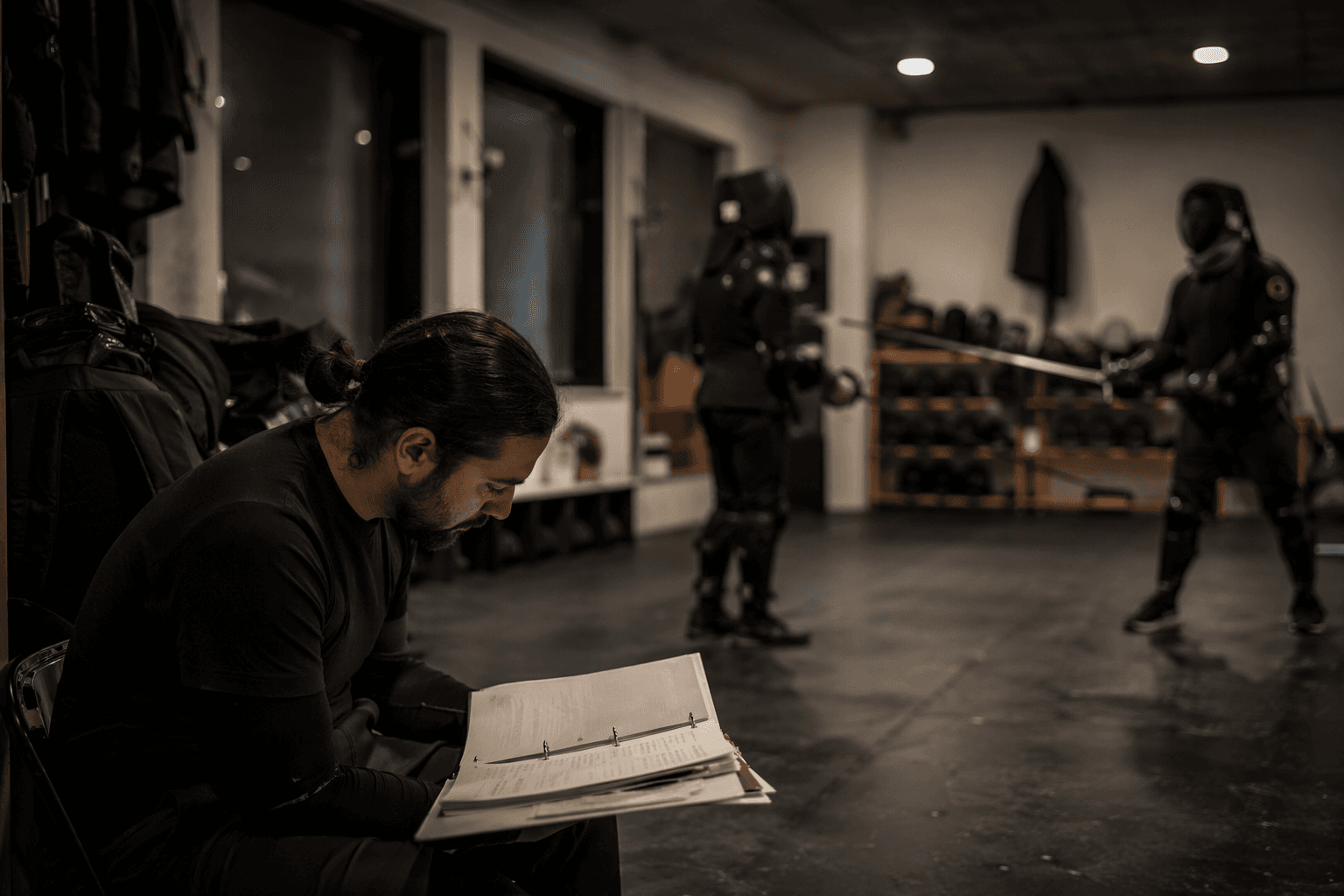
HEMA clubs rarely disappear because the sword work stops. They disappear when the founder who holds the venue key, the insurance file, and the login password walks away, and nobody else knows where any of it is. The club is HEMA’s atomic unit: it is where training happens, where people share a space, build a syllabus, and turn a hobby into a durable community.
The club is the real engine of HEMA
Club-building is the work of starting, running, and growing the sport’s local base, and that framing fits the way HEMA actually operates across the United States and around the world. Some clubs bring in dozens of people, others hundreds, and the same structure can serve as a scholarly collaboration, a martial arts school, a competition team, or a social space for fencers who want both study and sparring. A club does not have to begin as a full organization: it can start with a friend, a book, and two swordlike objects in a park.
That flexibility explains why HEMA has spread so fast without becoming centralized. The Alliance’s club finder helps people locate like-minded groups near them, reflecting a federation of local nodes rather than one national headquarters.
Continuity is the difference between a club and a memory
The most fragile moment in club life is the handoff from founder to successor. What has to survive that moment is bylaws, financial records, website and social-media passwords, legal-status information, and access to venue arrangements or gear storage. If those pieces live only in one person’s head, the club may have members, but it does not yet have continuity.
Member retention depends on more than admin files. Leaders also need to ask students what they value, whether that is competition, manuscript work, or both. A club often fractures when the new leadership changes the balance too abruptly. A group built around tournament prep does not keep its identity if it becomes only a study circle, and a scholarly club can lose its core if it suddenly turns into a pure sparring room.
The governance side matters too. The HEMA Alliance’s structure is based on open bylaws and democracy, which makes succession planning part of the sport’s operating culture rather than a private concern. In 2023, the organization canceled a Governing Council election because only three candidates volunteered for four positions, keeping Jeremy Steflik in the presidency for a third and final consecutive term.
Insurance and safety are not side issues
The practical backbone of a surviving club is insurance. U.S. clubs should carry two separate forms of coverage: liability insurance for serious injury claims and additional insurance for damage to a rented training space. That distinction matters because the risks in a club are not limited to bruises and sore wrists. Major injuries include concussions, broken bones, puncture wounds, and neurological damage.
Affiliation adds another layer of discipline. HEMAA affiliates must follow the safety policy at every practice and event, have at least one HEMAA member on site, and register practices and events in advance in order to be covered by insurance. They must also operate as nonprofit organizations, with raised funds used for the affiliate rather than personal gain. If event coverage is not already included, HEMAA lists it at $250, a small number that becomes very large the moment a club realizes no one filed the paperwork.
Teaching quality is a pipeline, not a personality trait
The strongest clubs do not depend on one charismatic instructor. They produce instructors. HEMA Alliance’s certification program is designed to help instructors run safe and effective classes, not to test whether they know the most about history. A club can have excellent manuscript knowledge and still run poorly if no one can teach beginners safely.
The certification track includes first aid, SafeSport, a background check, a written exam, a practical 25-minute teaching exam, and renewal every three years. That package creates a repeatable standard for instruction instead of a one-off badge of competence. It also helps clubs build a bench of leaders who can step into classes, fill in when someone is injured or traveling, and eventually replace the founder without a drop-off in quality.
SafeSport adds another recurring obligation. The U.S. Center for SafeSport lists its SafeSport Trained Core course at 90 minutes, and the certificate is valid for 12 months.
HEMA grew into a global network, but the local group still decides whether it survives
HEMA is not an old, settled sport with one governing line. Wiktenauer’s collaborative research project began in 2009, while a 2023 essay places modern HEMA’s emergence in the late 1990s and its broader rise in the 2010s.
The HROARR Global HEMA Census gives a useful snapshot of that early expansion. Its 2013 counts listed 489 groups and chapters and 8,852 paying practitioners worldwide, including 1,303 paying practitioners in the United States and 111 U.S. groups. The census also notes that an email had been sent to roughly 250 to 300 clubs around 2010, so those numbers work best as an early benchmark rather than a complete headcount.
The broader ecosystem includes other organizations, too. IFHEMA dates efforts to establish an international federation to 2010. ARMA presents itself as a resource for Renaissance martial arts curricula and European fighting arts.
This article was produced by Prism’s automated news system from verified source data, official records, and press releases, then run through automated quality and moderation checks before publishing. The system is built and supervised by the people who set the standards it runs under. Read our full AI policy.
Did this article answer your question?