HEMA rules trace back to centuries of fencing conventions
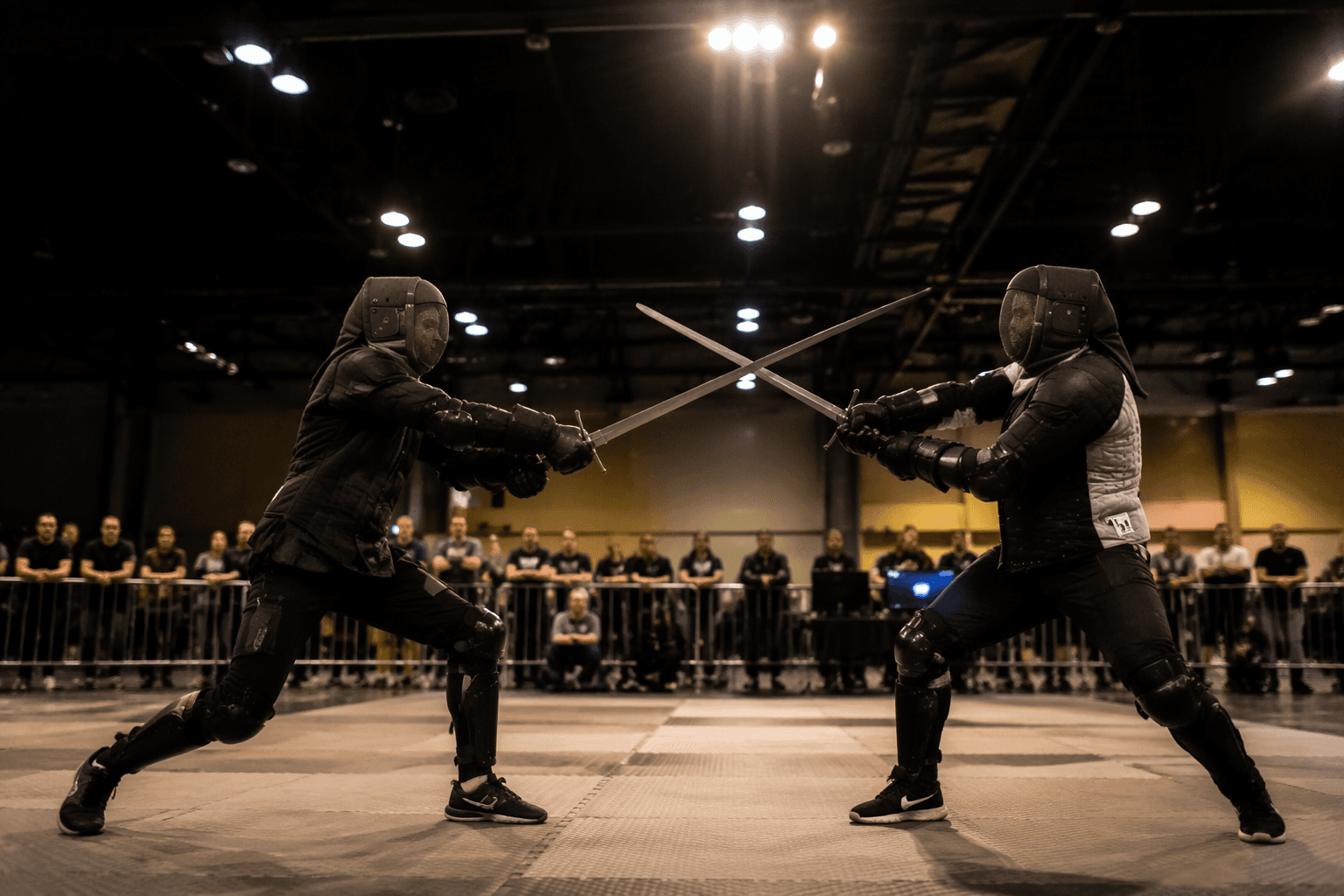
HEMA doubles, afterblows, and scoring disputes echo centuries of fencing conventions, from Fechtschule contests to modern brackets like Sword Fight VIII 2026.
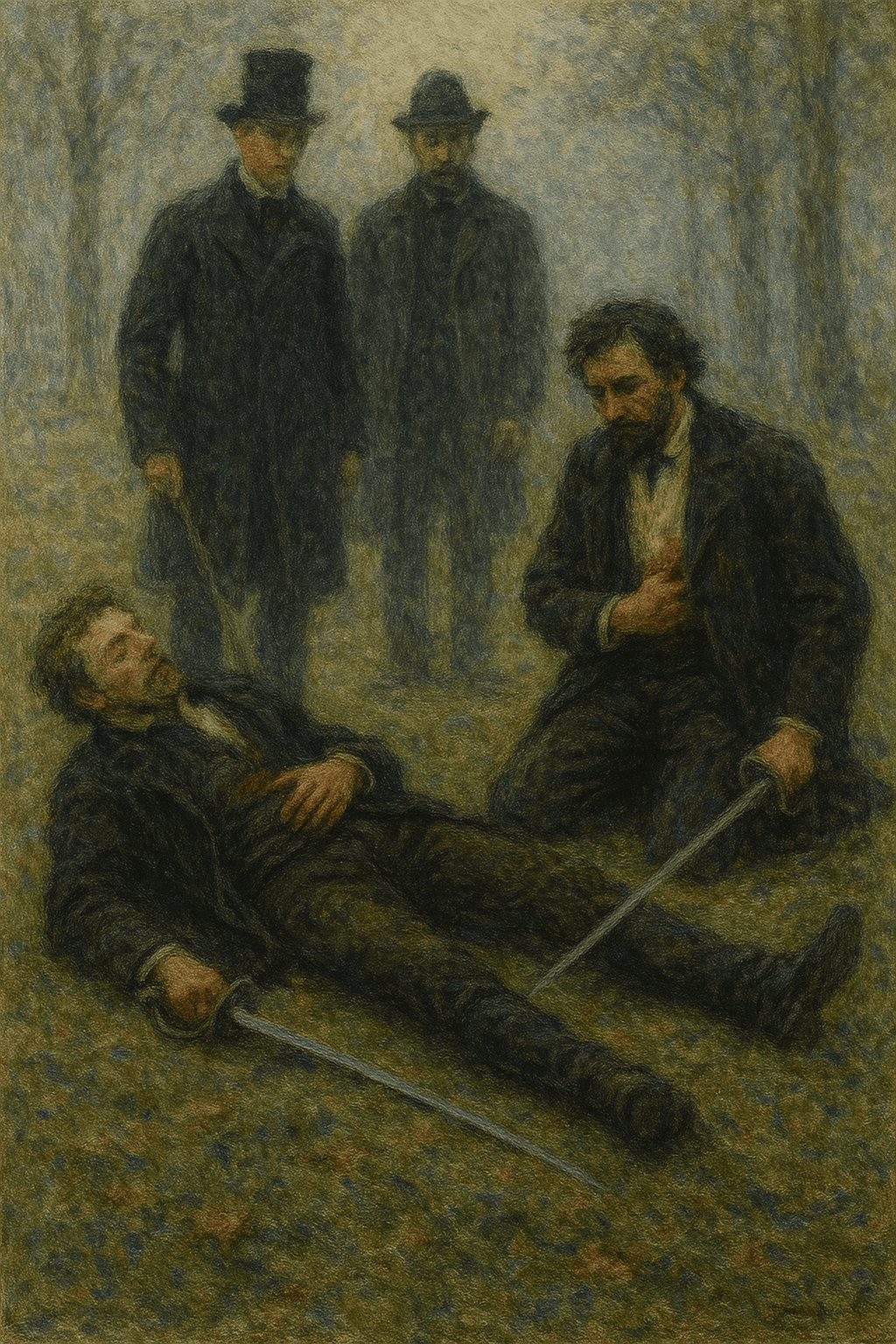
HEMA judges still argue about doubles, afterblows, and scoring. The dispute runs from the 15th century into modern tournament practice, a line Longsword.Academy traces through older European conventions and current HEMA rules.
Why the rules exist at all
In HEMA, conventions exist for safety, pedagogy, and clarity of action, because a bout has to say what it is trying to measure. If a format wants to reward initiative and line control, the judges need a consistent way to decide who actually owned the action; if it wants to reward clean hits, it has to separate a valid attack from a late answer or a compromised exchange.
Target areas, permitted techniques, and exchange evaluation are where a tournament turns historical fencing into a readable sport. They are also where the familiar arguments over doubles and afterblows come from: once a ruleset defines which touch matters, which reply counts, and which mistake ends the exchange, it is already shaping behavior.
The historical line from Fechtschule to the modern strip
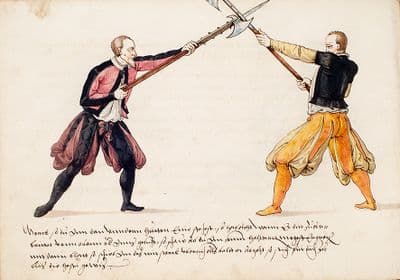
Fechtschule distinguished between private training on the fencing floor and public contests. Regulated, public swordplay is not a modern invention. Fechtschule regulations and later fencing manuals show that Europeans were codifying sword contests long before contemporary HEMA existed.
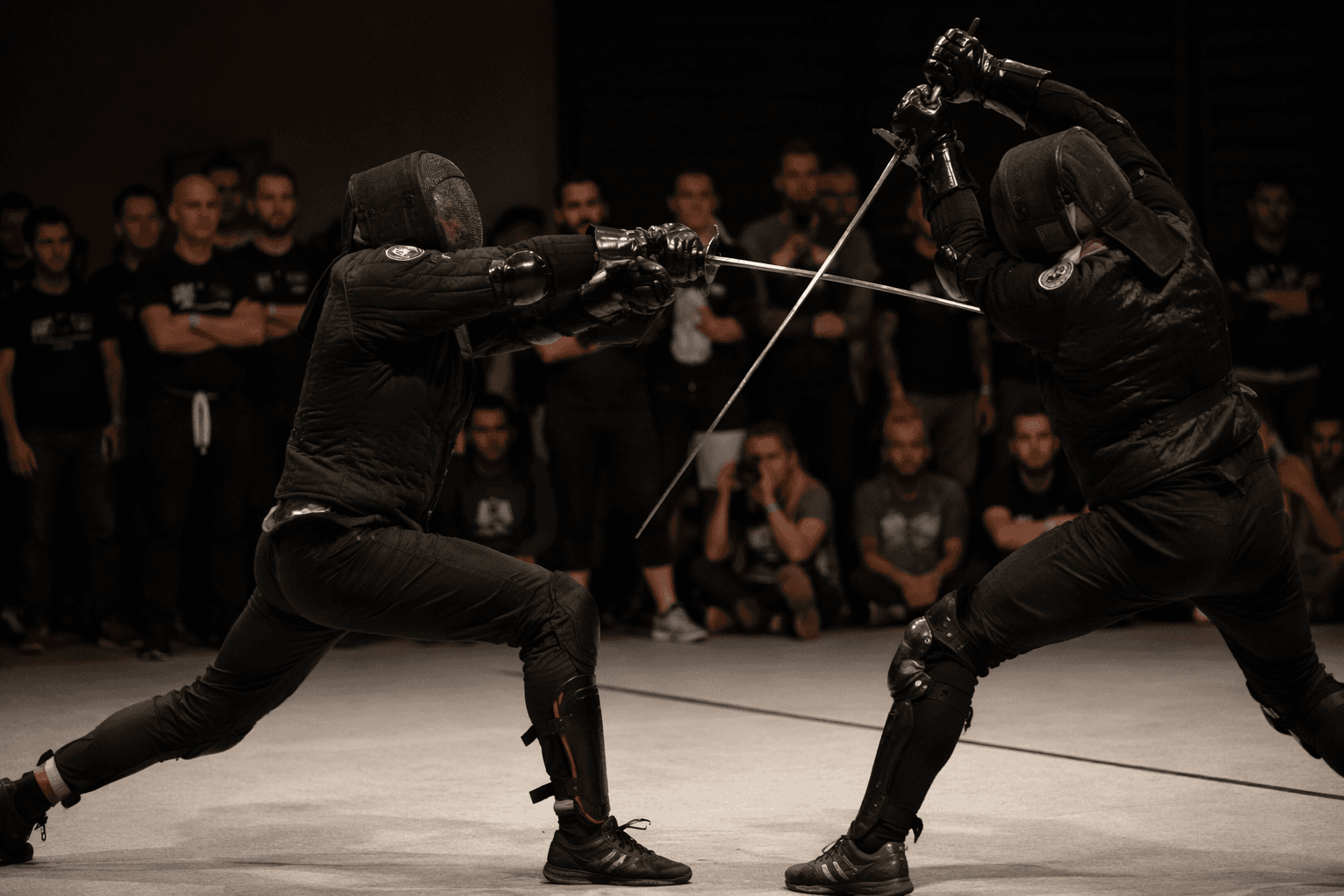
That older model also explains why modern debates about “too modern” rules miss the bigger picture. A right-of-way or priority system is not pretending to reproduce a sharp duel exactly. It is selecting what the bout should reward, much as older fencing conventions did when they tried to make contests legible to spectators, teachers, and judges.
A second historical-to-modern parallel is the move from open-ended play to structured public competition. In Alcala’s Fechtschule Experiment, bouts are not pre-arranged and have no pools or elimination rounds, with respect for weapon and opponent taking precedence over point optimization. Modern HEMA tournaments borrow from that older public-contest tradition, but they often combine it with a more explicit scoring framework so judges can call exchanges consistently.
Historical conventions were always trying to answer the same question modern officials face: who showed the better action when two blades met fast and messy? In contemporary terms, that question shows up in doubles, in afterblows, and in how much weight a ruleset gives to the first threatening action versus the finishing touch.
How to read a ruleset before you step in
For active competitors and judges, the best way to approach a tournament is to read the convention as a scoring philosophy, not as a list of penalties. The details in the rules tell you what the event values.
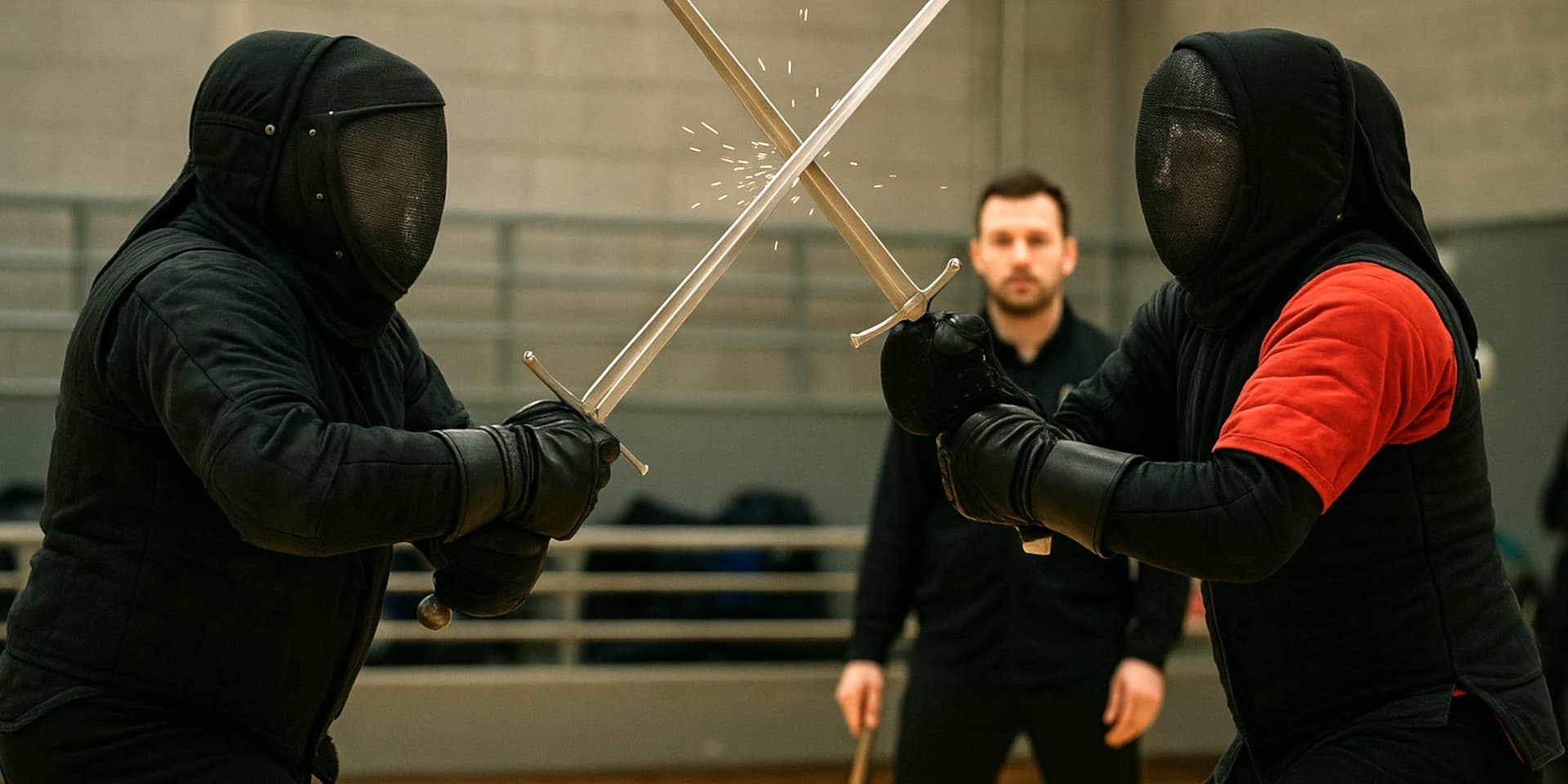
- Target areas tell you what counts as a meaningful hit.
- Permitted techniques tell you which actions the tournament wants to reward or exclude.
- Exchange evaluation tells you how the event handles doubles, late responses, and compromised fencing.
- Priority or afterblow language tells you whether the format is trying to privilege the first solid initiative, the cleanest finish, or a combination of both.
The bout may be meant to test tactical soundness, clean striking, or the ability to avoid trading hits under pressure. The closer the rules match that goal, the easier it is for judges to read the action and for competitors to shape their fencing accordingly.
Why this is now a bigger sports question
The HEMA Alliance defines HEMA as a growing practice centered on reconstructing historical European fighting arts, while IFHEMA defines it as a worldwide movement aimed at safe and efficient practice of European martial heritage. HEMA has no single universal governing federation or tournament standard. It lives as both a martial art and a martial sport, which is exactly why rule systems vary so widely from event to event.
The HEMA Alliance’s training-safety material states that sword fighting is inherently dangerous, even if serious injuries are rare. In 2024, GD4H argued in its discussion of penalties that the issue had become more urgent because tournaments are drawing a wider participant base and organizers can no longer assume everyone shares the same informal standards. Once the field expands, penalties, doubles, and afterblow calls stop being edge cases and become the mechanism that keeps the tournament coherent.
HEMA Ratings tracks event data and bout counts, and one listing for Sword Fight VIII 2026 shows 149 mixed steel longsword fights and 38 fighters in that division. At that size, judge consistency keeps a large bracket intelligible, especially when a tournament is running multiple weapons and multiple styles of exchange under the same roof.
Tyrnhaw’s Right of Way and Matt Galas’s Best Practices for HEMA Tournaments treat priority systems as tools for rewarding tactically sound choices, not as attempts to recreate a perfect historical duel.
This article was produced by Prism’s automated news system from verified source data, official records, and press releases, then run through automated quality and moderation checks before publishing. The system is built and supervised by the people who set the standards it runs under. Read our full AI policy.
Did this article answer your question?