Wiktenauer anchors Historical European Martial Arts with fencing manuals
Wiktenauer gives HEMA clubs the manuals behind their drills, from Goliath to Liechtenauer. Its search tools turn fechtbücher into tournament-ready interpretation.
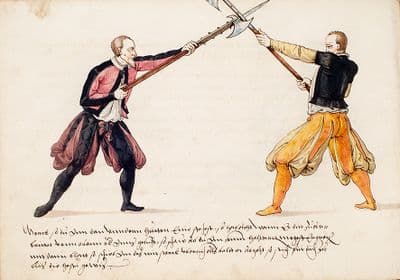
When a club argues over whether a Twerhaw is a cut, a cover, or both, the answer usually starts in a manuscript, not in a hall. The same goes for whether two Joachim Meyer versions should produce the same drill, or whether a Goliath folio should change how a line is read in sparring. Wiktenauer sits in the middle of those debates by turning scattered fechtbücher into something fighters can actually test.
Why the archive matters before the bout starts
HEMA does not run on one official canon. It runs on sources, especially fencing manuals, and Wiktenauer says that modern historical European martial art reconstruction is founded on their study. That is why names like Johannes Liechtenauer, Fiore dei Liberi, Salvator Fabris, Joachim Meyer, and Sir William Hope carry so much weight in clubs and tournaments: they anchor different source traditions, weapons, and tactical assumptions.
Wiktenauer describes itself as an ongoing collaboration among scholars and practitioners from across the Western martial arts community, and it also calls itself the world’s largest library of HEMA books and manuscripts. That framing matters because HEMA is not just scholarship on paper. Fighters read, translate, compare, drill, spar, and then revise their reading when a technique does or does not survive contact with a resisting opponent.
How source access changes what fighters drill
The practical payoff is not abstract. If a club is building a longsword curriculum around Liechtenauer, it will prioritize different material than a rapier group working through Fabris or a mixed weapon school pulling from Meyer. A public archive that gathers books, manuscripts, illustrations, and translations makes those branches visible instead of forcing everyone to guess from secondhand summaries.
Wiktenauer’s own site structure shows how that process works in practice. Its pages for Twerhaw and Joachim Meyer manuscript comparison point straight at the kind of details that decide whether a motion is taught as a named cut, a family of variants, or a reading difference between surviving copies. That is the level of granularity HEMA clubs debate when they decide what belongs in a curriculum and what belongs in the discussion channel.
The search tools that matter most in the salle
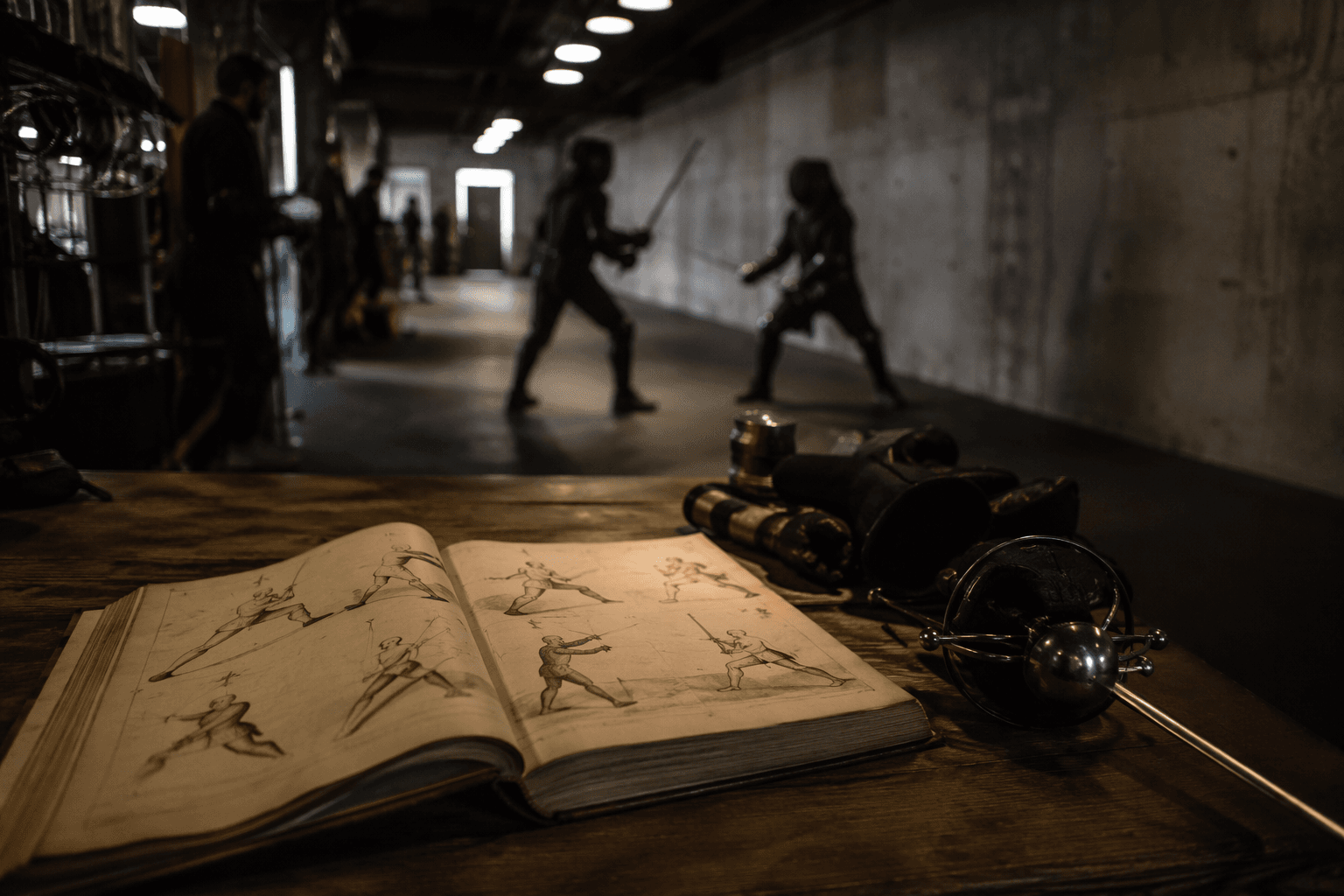
Wiktenauer’s fencing manual search is built for a tradition that spans centuries and weapons. Users can filter by language and by weapon, which is exactly what the sport needs when the same archive has to support longsword, sword and buckler, dagger, rapier, polearms, mounted combat, and more.
- Dutch
- English
- French
- German
- Greek
- Italian
- Latin
- Portuguese
- Spanish
The language filters are broad enough to reflect the field’s geography and transmission:
That kind of sorting is not just convenient. It helps fighters compare how a line appears in one manuscript family, how a translation renders a term, and whether a source is better approached in its original wording or through an established English version. In a sport where authenticity is argued from text as much as from motion, a search box can shape the next month of drilling.
The archive’s limits are part of the story too
Wiktenauer is a major reference point, but it is not a finished map of the whole field. Its index of masters is currently only complete through the end of the 16th century, which is a reminder that even the biggest public library in HEMA still has edges and gaps. That incompleteness is not a flaw unique to Wiktenauer; it is a reflection of a source tradition that is large, multilingual, and unevenly preserved.
The site also warns users on its manuscripts pages that scans appearing there are not automatically free to reuse. That caution matters in a culture that depends on sharing images and translations, because access to a scan is not the same thing as permission to republish it. Wiktenauer also identifies itself as a 501(c)(3) nonprofit, which helps explain why it operates more like a community archive than a commercial content platform.
The people behind the platform
Wiktenauer’s infrastructure is tied to individual researchers as much as to institutions. Its About page is dedicated to the memory of Dr. Patri Pugliese, and that dedication reflects how much the field has depended on people who made rare manuals easier to reach. One practitioner remembered Pugliese as the person who gave them copies of the first manuals they ever worked from in the late 1990s, a small exchange that says a lot about how the modern HEMA base was built.
Michael Chidester is another central figure. A 2021 interview identified him as Editor-in-Chief of Wiktenauer and, as Director of Wiktenauer, an officer of the HEMA Alliance. Dave Rawlings of London Longsword Academy later said on video that Michael has been “an enormous help to the community,” which matches the role he has played in turning source material into a usable public resource.
How clubs use it to stay competition-ready
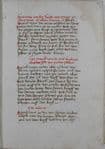
The clearest proof of Wiktenauer’s place in the sport is how clubs point newcomers back to it when they want a serious starting point. Liverpool HEMA’s historical sources page sends readers to Wiktenauer’s scan of the so-called Goliath manuscript, MS Germ.Quart.2020, and uses folio 51r as a concrete historical reference. That kind of recommendation is not decorative. It tells fighters where to begin when they want their drilling to come from a source rather than a modern reconstruction alone.
That is what makes Wiktenauer part of HEMA’s competitive infrastructure. The archive does not replace training, but it changes the quality of the training by making source comparison easier, translation debates sharper, and authenticity claims easier to test. In a sport built on interpretation under pressure, that is as close to home-field advantage as HEMA gets.
This article was produced by Prism’s automated news system from verified source data, official records, and press releases, then run through automated quality and moderation checks before publishing. The system is built and supervised by the people who set the standards it runs under. Read our full AI policy.
Did this article answer your question?