Dussack reveals the roots of German fencing guild combat
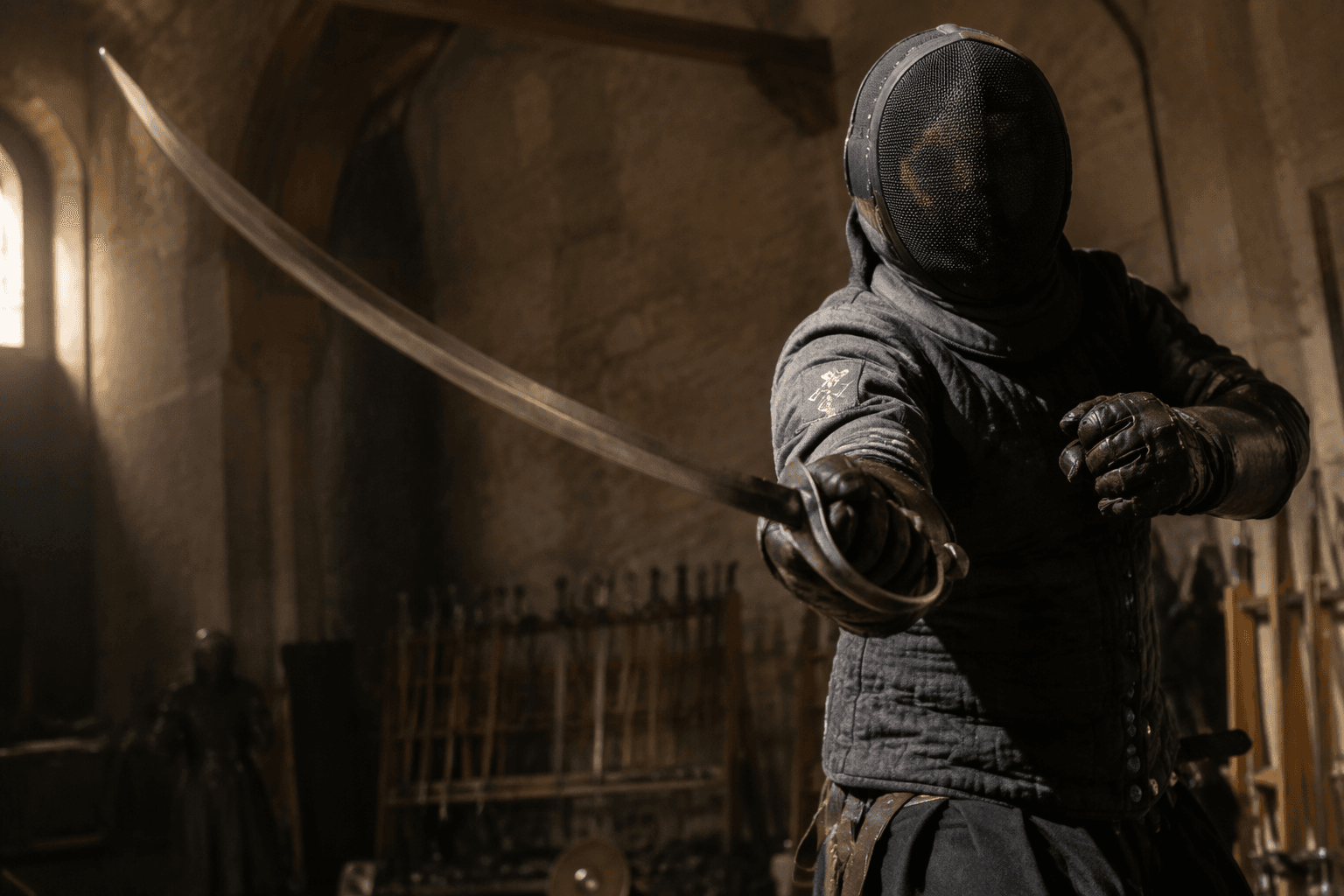
The dussack connects guild fencing, battlefield cutting, and modern sabre training in one compact weapon. Its history explains why HEMA treats handwork, angle control, and cut mechanics as transferable skills.
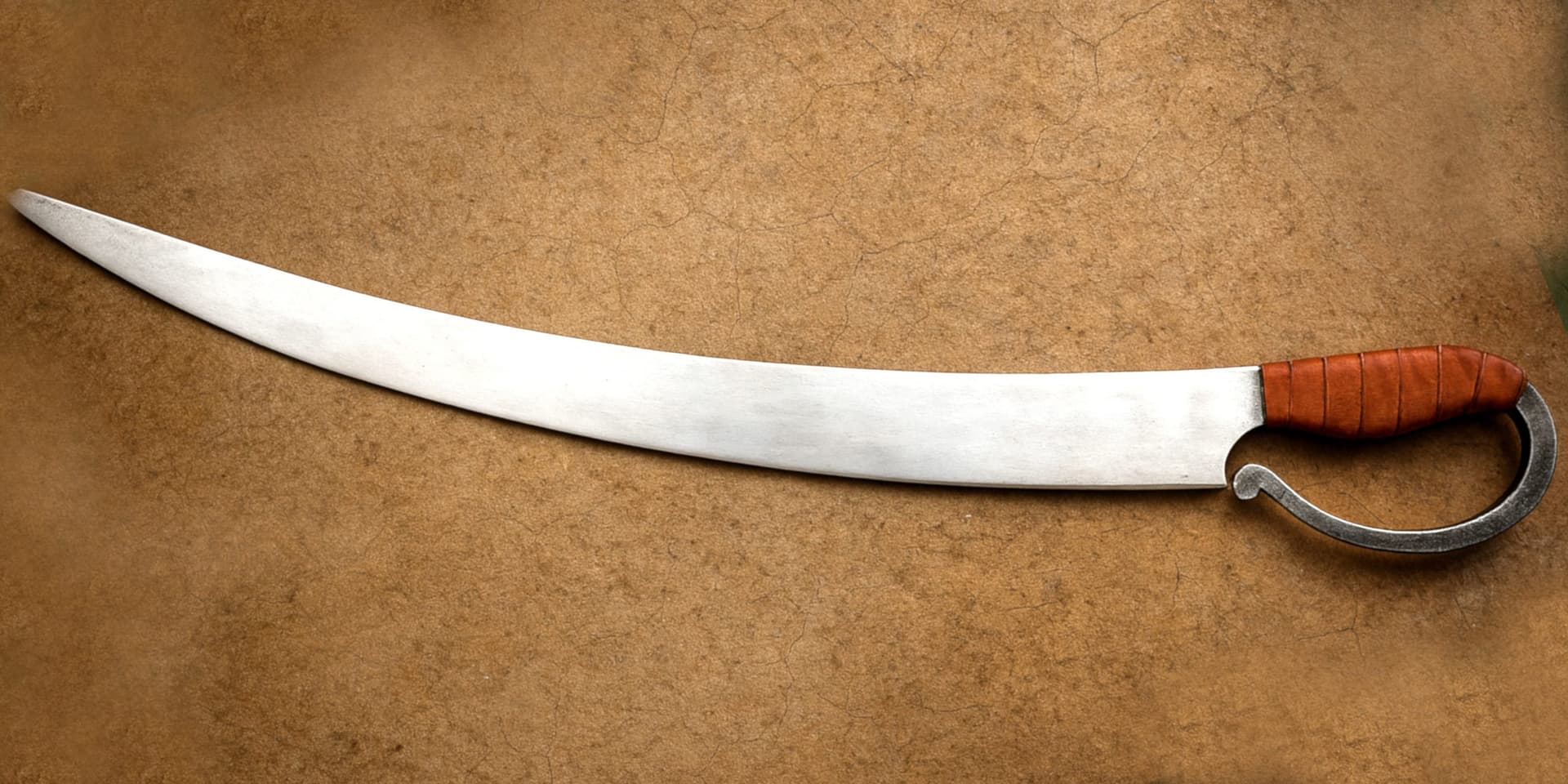
The dussack matters because it is not just a stand-in for something bigger. It sits at the point where German fencing guild culture, battlefield sidearm use, and modern HEMA training all overlap, which is why a weapon with a simple hilt and a cut-heavy profile keeps showing up in serious study. For competitors and coaches, that makes it a practical gateway weapon: it teaches the mechanics that later surface in sabre, backsword, and other one-handed blades without pretending those weapons all move the same way.
The dussack’s place in German fighting culture
HROARR’s treatment of the dussack presents it as more than a wooden trainer with a strange name. It identifies the weapon as an important part of fencing guild practice for more than 250 years and describes it as a battlefield sidearm in the 16th and 17th centuries. That combination matters because it places the dussack in the same martial environment HEMA keeps trying to reconstruct: civilian self-defense, organized fencing, and weapons that had to work outside a drill hall.
Christoph Amberger’s May 2003 article in the Journal of Western Martial Art adds another layer by showing how varied the weapon’s identity was in historical sources. He listed spellings including Dussack, Dusack, Dysack, Tesak, Tuseckn, Thuseckn, Disackn, and Dusägge. That range is a reminder that the weapon traveled through several languages, regions, and writing habits while staying anchored in the same broad fighting culture.
Why guild context changes how the weapon reads
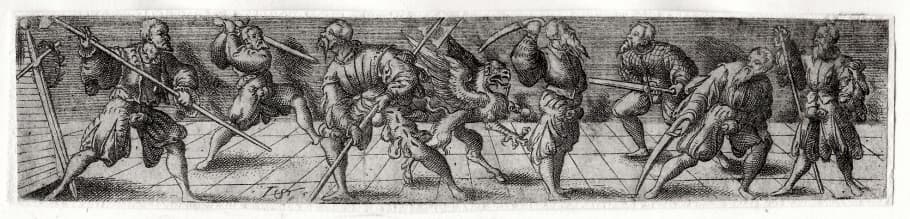
The dussack makes more sense once you place it inside the urban world of the German fighting guilds. Amberger noted that some 16th-century Fechtschul rhymes show over two thirds of participants in certain Fechtschulen were craftsmen and artisans from those guilds. That is not a marginal detail. It means the weapon was embedded in a social network of working people who fenced in public, competed in organized events, and treated martial skill as part of urban identity.
That urban frame matches the broader history of fencing in Europe, which one Prague-focused result ties closely to city life and to guilds operating primarily in cities. The Old Town of Prague gives the point a concrete date: on 28 July 1597, the council of the Old Town of Prague issued a Fencers' Ordinance to impose discipline at fencing tournaments. The ordinance shows that fencing was not only a private pastime or a military skill, but a regulated public practice with civic oversight.
Joachim Meyer and the dussack as instruction
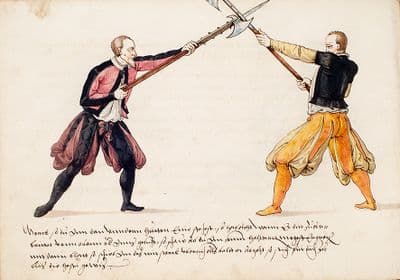
The dussack also matters because it appears in a structured teaching tradition, not just in fighting culture. Joachim Meyer, identified in the search results as a 16th-century fencing master, used the dussack as a teaching weapon in organized instruction. One quoted description of Meyer’s dussack section calls it “Organized description and instruction in fencing with the dusack, including many virile and swift sequences collected in a good order...”
That language is revealing. It shows the dussack was being used to organize movement, sequence, and tempo, not merely to imitate a battlefield sword. In practical HEMA terms, that is exactly why the weapon still matters: it trains the link between cut, recovery, and decision-making in a way that is direct enough for sparring and specific enough to remain historically grounded.
What the dussack teaches that carries over
The dussack is a useful bridge because it forces the fencer to respect weapon-specificity. It does not behave like a longsword, rapier, or sword-and-buckler, and that difference is the lesson. Its simple hilt, one-handed use, and strong cut-centric profile make it ideal for developing the habits that matter in later blades: edge alignment, distance control, timing, and handwork.
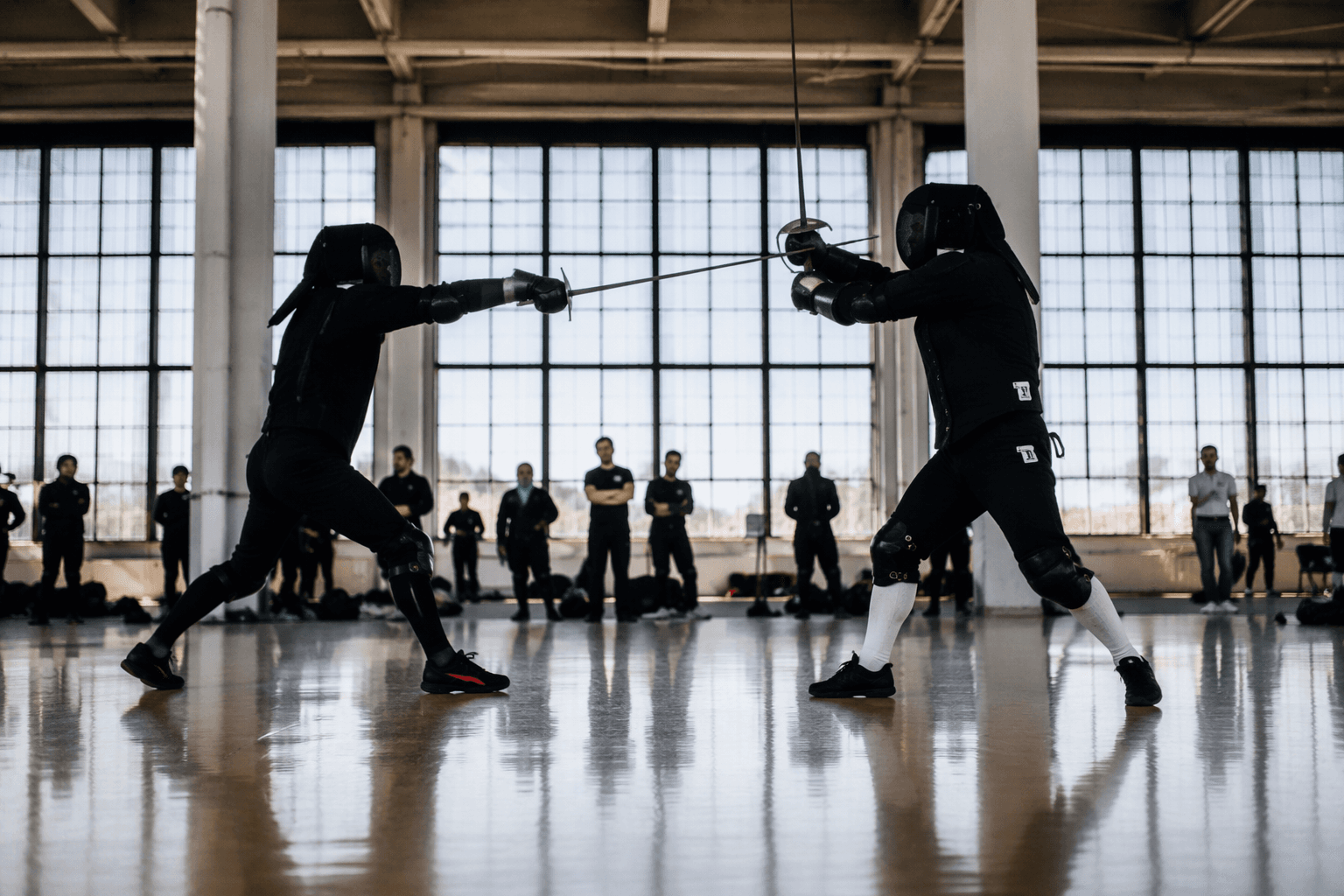
That transfer is part of the weapon’s modern value. If a fencer can manage the dussack well, the same body mechanics often show up in sabre and backsword work, especially where fast cuts and clean entries matter more than elaborate point play. The dussack does not replace those weapons; it exposes the core habits beneath them.
- Cutting mechanics: the dussack rewards clean, committed cuts rather than weak arm swings.
- Handwork: its short, direct actions make the hands do real work in line changes and defenses.
- Distance management: because the weapon is compact and fast, closing safely becomes a skill, not an assumption.
- Transferable habits: the same timing and blade control carry into sabre-like handling and broader one-handed fencing.
Modern HEMA keeps returning to it for a reason
The weapon’s modern relevance is easy to see in the way HEMA discussion keeps circling back to it. A 2018 post titled “Tools of the Trade: Styrian Dussack” shows it remained a live topic in historical fencing circles, not a museum oddity. A 2021 video result on sword techniques with the dussack as a 16th-century German training tool pushes the same point further: practitioners still use it to drill movement, cuts, and sequencing.
That ongoing use fits the historical record. A weapon that lived inside guild culture, crossed over into battlefield and civilian contexts, and was taught by a named master like Meyer has every reason to stay relevant in training. It gives coaches a compact way to teach cutting intent without hiding the realities of historical blade work behind generic “sword fighting” language.
Why the dussack is the right gateway weapon
The dussack reveals what German fencing guild combat actually looked like at the level that matters most: not as a blur of medieval fantasy, but as a disciplined culture of tools, rules, and transferable technique. Its many spellings, its long life in the fencing guilds, its use among craftsmen and artisans, and its presence in Meyer’s instruction all point to the same conclusion. This was a weapon that connected training culture to real fighting practice.
For HEMA, that makes the dussack one of the clearest entry points into the German tradition. It is historical enough to anchor study, simple enough to isolate mechanics, and versatile enough to explain why cut-based handwork still sits at the center of so much sabre and guild-weapon training today.
This article was produced by Prism’s automated news system from verified source data, official records, and press releases, then run through automated quality and moderation checks before publishing. The system is built and supervised by the people who set the standards it runs under. Read our full AI policy.
Did this article answer your question?