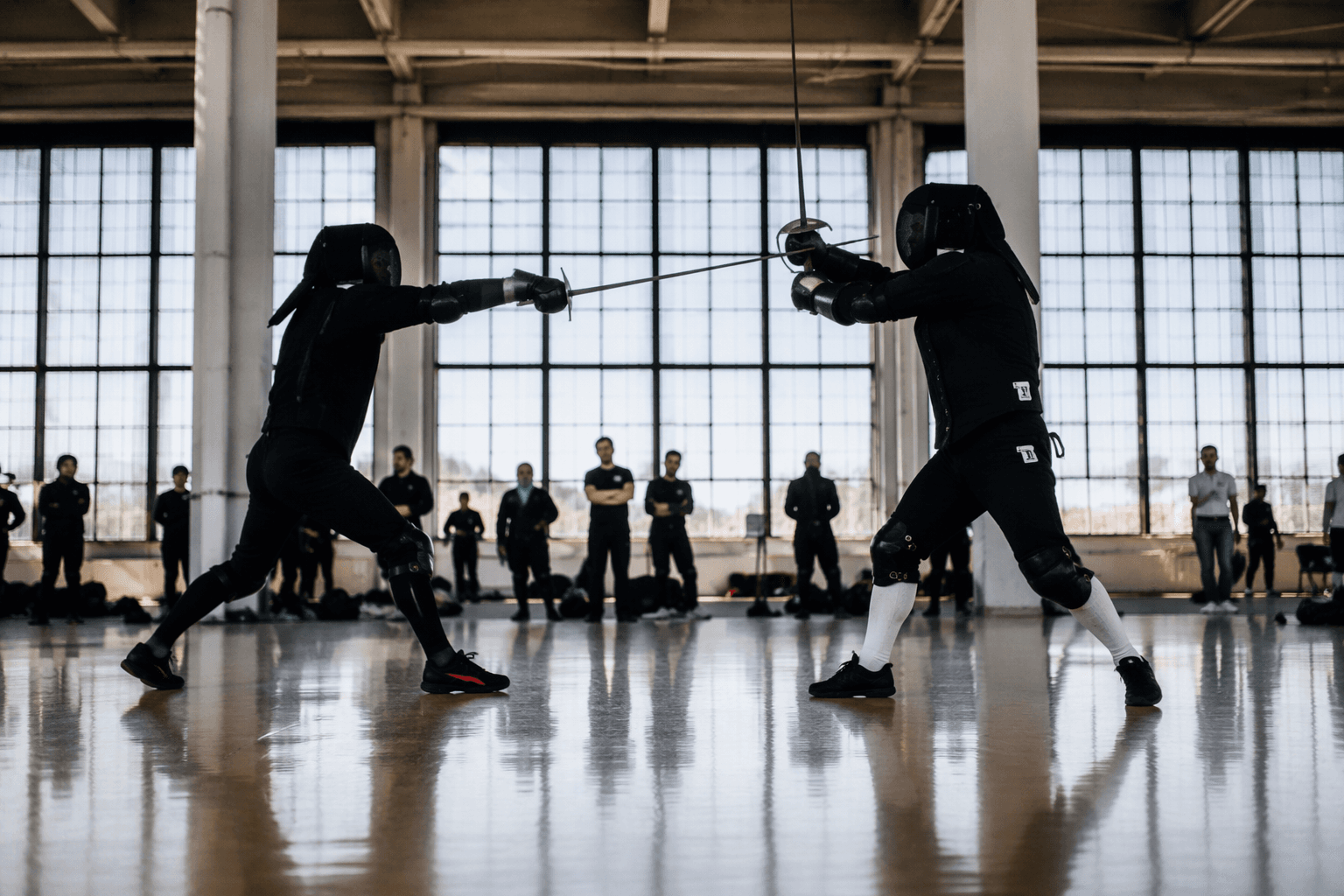
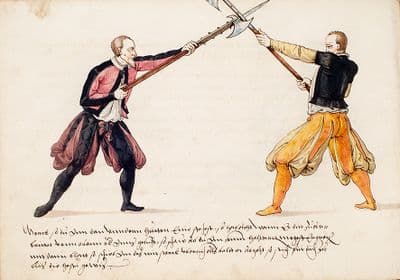
Fechtschule reveals HEMA’s roots in public fencing spectacle and competition
Fechtschule shows how HEMA’s competitive side grew from public bouts, masters’ rules, and civic status long before modern brackets.
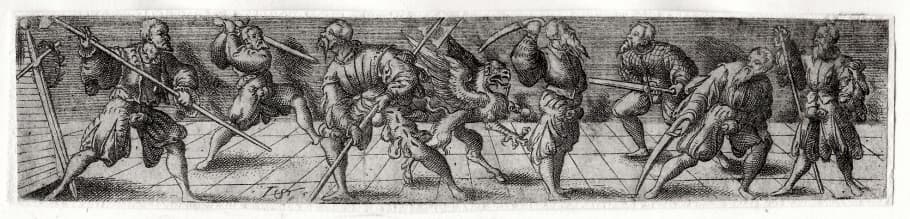
Fechtschule was not just fencing with an audience. It was a public system for turning martial skill into spectacle, status, and competition. In the late 16th-century Holy Roman Empire, that civic-combat culture helped define why fencing could belong to the street, the hall, and the tournament floor at once. The same logic still sits under modern HEMA’s scored bouts, judges, and weapon divisions.
Public fencing as civic performance
HROARR’s *A Wonderful Struggle: The 16th Century Art of Civic Combat, Part 1* frames the Fechtschule as a key to understanding both martial and sport culture in the late 16th-century Holy Roman Empire. That framing matters because it treats competition as a public institution, not a side effect of training. The Fechtschule gave men of the arms-bearing middling classes a stage to demonstrate skill before audiences, and that made fencing part of civic identity as much as personal reputation.
That public setting changed the meaning of a bout. A fight in the Fechtschule was built to be seen, judged, and remembered, which gave it social value that private sparring could never match. In modern terms, it was a format with a crowd, a standard, and stakes beyond the score.
Training on the floor, fighting in public
A March 13, 2010 post on Fechtschule, titled *A Fechtschule in 16th-century Germany: Excerpt from The Secret History of the Sword*, makes a sharp distinction that still helps explain HEMA culture today: old fencing manuscripts separated practice on the fencing floor from public contests called Fechtschulen. The same post notes that guild-era fencers did not like being observed during training, which shows how closely guarded private instruction could be.
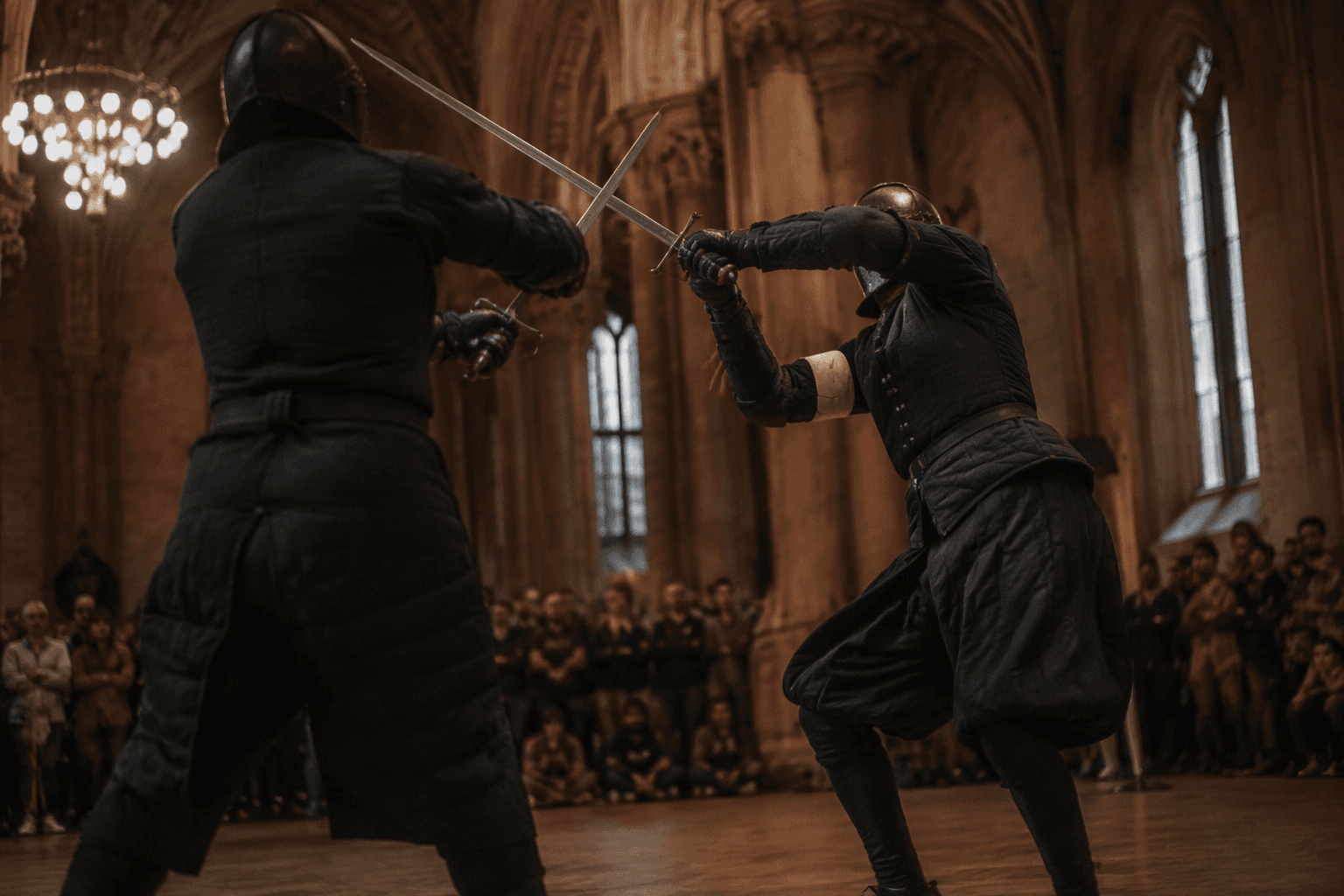
That split between hidden practice and public contest is one reason Fechtschule feels so important to HEMA readers. The technical work happened out of sight, but the public test gave that work meaning. The event was not a simple extension of drilling. It was a distinct social act with its own rules, audience, and reputation economy.
The Fechtschule site’s *What is a Fechtschule?* post, also published on March 13, 2010, adds another layer by showing how the word evolved. By the 18th century, Fechtschule could also mean a fencing hall or loft, often in a university or upper school, a place of instruction by a Fechtmeister. That shift from a public event to a room or institution says a lot about how fencing culture expanded and changed, even as the core idea of organized martial learning remained intact.
Rules before modern brackets
The public spectacle only worked because the fighting was disciplined. An article in *Acta Periodica Duellatorum*, *A fifteenth-century fencing tournament in Strasburg*, says an undated archival paper from Strasbourg preserves rules approved by fencing masters for a fencing tournament, and the document may date to around 1470-71. That pushes formalized fencing competition earlier than the 16th century and shows that rule-bound events were already part of urban martial life.
This is the bridge to modern tournament culture. HEMA events today often rely on scored bouts, formal judges, lineups, and weapon divisions, and the Strasbourg material shows that the impulse to codify competition has older roots. The modern apparatus does not come from nowhere. It echoes an older need to make combat legible to everyone watching, not just to the fighters.
From judicial duels to sport dueling
The Fechtschule did not emerge in isolation. Michael W. Rasmusson’s June 2003 article in the *Journal of Western Martial Art*, *Blossfechten and the Fechtschulen German Judicial and Sport Dueling from the Dark Ages to the Renaissance*, explicitly links Fechtschulen to German judicial and sport dueling. That connection widens the lens beyond the late Renaissance and places public fencing inside a much longer European combat tradition.
The result is a deeper historical line than a simple club-practice model. Judicial duel, sport duel, and civic spectacle all feed into the same broad story: armed skill becomes meaningful when it is governed, witnessed, and socially recognized. Fechtschule sits in that middle ground, where violence is restrained enough to be admissible and dramatic enough to draw a crowd.
Why HEMA tournaments still look familiar
Modern HEMA competition often feels like a blend of sport, demonstration, and scholarship because its historical precedent was already hybrid. The Fechtschule turned technical fencing into public theater, but it did so without stripping away structure. That balance between spectacle and rules is exactly what gives today’s tournament floor its appeal, whether the format is a scored bout, a weapon-specific division, or a full weekend of matches under formal judges.
The old civic event also explains why HEMA cares so much about status. Fighters are not just trying to win a match. They are testing skill in front of peers, earning reputation in a visible field, and helping define what counts as serious practice. Fechtschule shows that this is not a modern affectation. It is one of the oldest patterns in European martial culture, and HEMA’s competition scene still lives inside it.
This article was produced by Prism’s automated news system from verified source data, official records, and press releases, then run through automated quality and moderation checks before publishing. The system is built and supervised by the people who set the standards it runs under. Read our full AI policy.
Did this article answer your question?