HEMA safety gear guide explains what beginners really need
The first real HEMA purchase is not one item but a layered safety stack. Masks, gloves and club rules do more to control sparring risk than any single expensive upgrade.

A starter HEMA kit is a mask, a trainer weapon and gloves. The gear that lets you train at speed works as a layered safety stack, with each piece covering a different kind of strike, thrust or fall, and the right mix changes with the weapon and the intensity of the session.
Start with the minimum that makes training possible
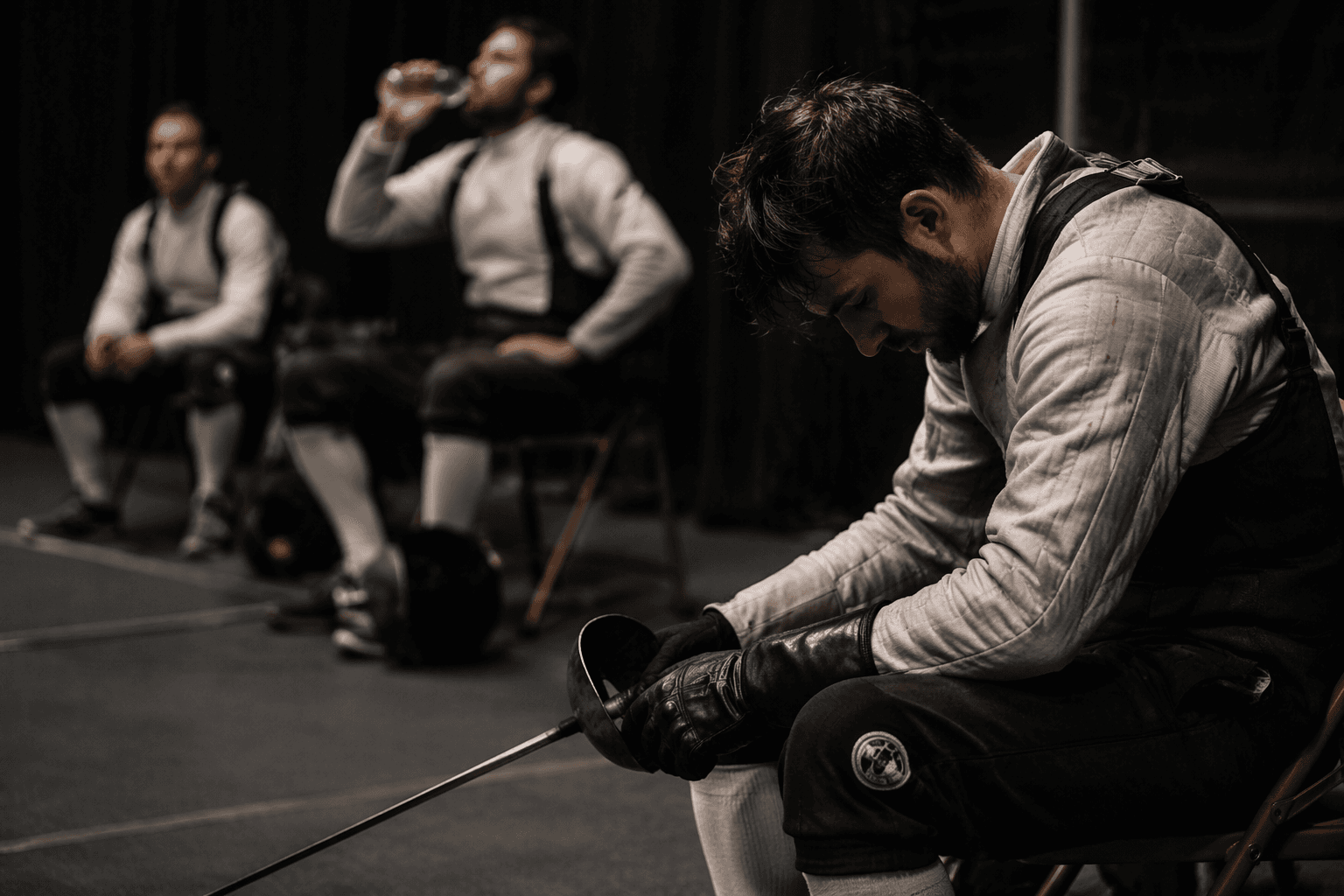
The HEMA Alliance’s club gear guide lists the common starter kit as a mask, trainer weapon and gloves. That is the minimum for a beginner program or a loaner setup because it covers the most immediate risks in controlled drilling and basic partner work. The mask protects the head and face, the glove protects the hands, and the trainer gives you a blunt simulator instead of a sharp blade.
That starter set is not the whole answer, though. The alliance’s guidance expands the list once the contact level rises: a mask with back-of-head protection for some heavier weapons, gloves suited to the weapon, a neck guard or gorget, a jacket, elbow guards and leg protection. The stack grows outward from the parts of the body most exposed when speed increases, blades get longer and thrusts become more likely.
Match the protection to the weapon, not the price tag
The biggest mistake beginners make is assuming one premium item can solve every problem. HEMA does not work that way. A heavier, faster weapon like longsword or saber asks more of the safety system than lower-mass tools such as smallsword, leather dussacks or singlestick, because the force on target and the pace of exchanges are different.
That is why the right question is not, “What is the best gear?” It is, “What am I drilling, with what weapon, and at what level of contact?” Light technical drilling may only need the club’s minimum kit. Cooperative sparring and tournament-style work call for more coverage, especially around the throat, forearms, elbows, hands and back of the head. Spending more helps only when it buys protection for the kind of attack you are actually taking.
What each layer is protecting against
Each piece in the stack solves a different problem:
- Mask: protects the face, eyes and skull from blade contact and accidental collisions.
- Back-of-head coverage: adds protection where heavier weapons and harder shots can reach around the side or rear of the head.
- Gloves: protect the fingers, knuckles and wrists, which are frequent targets in fencing and frequent accident points in training.
- Gorget or neck guard: protects the throat and neck from thrusts and glancing blows.
- Jacket: absorbs distributed impact across the torso, ribs and upper arms.
- Elbow guards: help when parries, binds and close play put the joints in the line of contact.
- Leg protection: matters when the tempo rises and low-line attacks become part of the game.
Thrusts change the equation
HEMA Alliance training guidance draws a hard line around thrusting: masks are recommended whenever thrusts are possible, even in slow play. That matters because a thrust does not have to be fast to be dangerous. Clubs that allow thrusts need minimum safety rules that do not change session by session, because improvising protection on the floor is how accidents happen.
Affiliate events must follow the safety policy and require waivers for non-affiliated participants.
Why fencing standards keep entering the conversation
A lot of newcomers get lost in the language of Newton ratings, homologation and markings. The Fédération Internationale d'Escrime’s equipment handbook sets out the baseline. FIE-marked masks must be 1600 Newton, and transparent visor masks also need CE or EC marking and EN 13567 compliance. Those standards come from fencing, not HEMA, but they matter because HEMA clubs often borrow proven fencing equipment when they want reliable head and face protection.
FIE-approved fencing gear is not a magic answer for every HEMA format, but it gives clubs a reference point for masks, visors and other protective kit. The relevant standard also changes over time, and the FIE’s approved equipment pages have continued to update masks and sabre gloves in 2025 and 2026.
The injury data backs up the gear priorities
HEMA’s own injury data supports the safety stack. A 2016 retrospective questionnaire study of 268 Dutch and Belgian practitioners found that 22.3% reported head injuries. In the same study, the most common equipment problems were heavy-duty gloves at 29.9% and fencing masks at 12%.
Acute injuries were concentrated in the hand, wrist and fingers, while chronic injuries appeared most often in the shoulders, elbows, knees and back.
The study concluded that HEMA has a distinct injury profile, and current protective equipment still leaves gaps. Better mask fit and more mobile hand protection were singled out as ways to reduce injury frequency.
Training safety matters even outside competition
Broader martial-arts concussion research adds another layer of caution. Recent findings show emergency-department concussion injuries are increasing, and many happen in practice or class rather than in formal competition. That matters for HEMA because most risk is created in training environments, where habits form, trust is built and safety standards either hold or collapse.
If thrusts are allowed, if the weapon is long and fast, or if the club is moving into harder sparring, the safety stack has to rise with it. A tournament mask, a good gorget and the right gloves do more for long-term training than a single prestige purchase.
Why the debate is still alive
HEMA is a modern sporting practice that grew out of the 1980s and 1990s and expanded more widely in the 2010s. It is still building its own standards instead of inheriting one universal rulebook, which is why gear debates keep resurfacing. The HEMA Alliance, a U.S. 501(c)(3) educational nonprofit, has helped shape that conversation, while Wiktenauer, which began in 2009 before moving under the alliance umbrella, reflects how the community has organized its knowledge over time.
This article was produced by Prism’s automated news system from verified source data, official records, and press releases, then run through automated quality and moderation checks before publishing. The system is built and supervised by the people who set the standards it runs under. Read our full AI policy.
Did this article answer your question?