Judgement Day 2026 draws 36 fighters to Dundee longsword event
A 36-fighter, 101-bout longsword bracket turned Dundee into a clear ratings test, with Scottish clubs feeding one intermediate division.

Thirty-six fighters and 101 bouts made Judgement Day 2026 a concentrated proving ground in Dundee, with the June 20 card reduced to a single division: Mixed Steel Longsword, intermediate. Run on SwordJet software, the format left little room for noise, turning every pool result and elimination bout into a direct signal for the ratings picture.
The roster reached well beyond one club. Caledonian Sword Guild, Renaissance Martial Arts Society, Aberdeen Swordsmanship Group, Glasgow HEMA, Edinburgh University HEMA Society, Dawn Duellists Society, The Institute for Historical Arts and The Exiles all had names on the entry sheet, giving the tournament a distinctly Scottish cross-section rather than a closed local session. The fighters included Adam Goodier, Alex Heron, Andrew Bethell, Avery Reid, Caius Walker, Caleb Calikes, Cameron Dunn, Cassie Parsons, Chuan Sha, Connor Finlay, Connor Hendricks, David Christie, David Kindness, Dillon Wren, Harper Rattray, Jack Neilan, James Williams, Jamie Roberts, Jaye Ross, Jess Kirk, June Cruickshanks, Juniper Buckley, Masha Byelova, Max McCallum, Michal Wojcik, Ondrej Tomek, Owen Wright, Paul O'Donnell, Ryan Black, Sandy Bethell, Sebastian Mitel, Simon Brooks, Stuart Calder, Thomas Waldron, Toni Santoyo McLeod and Weronika Bielska.
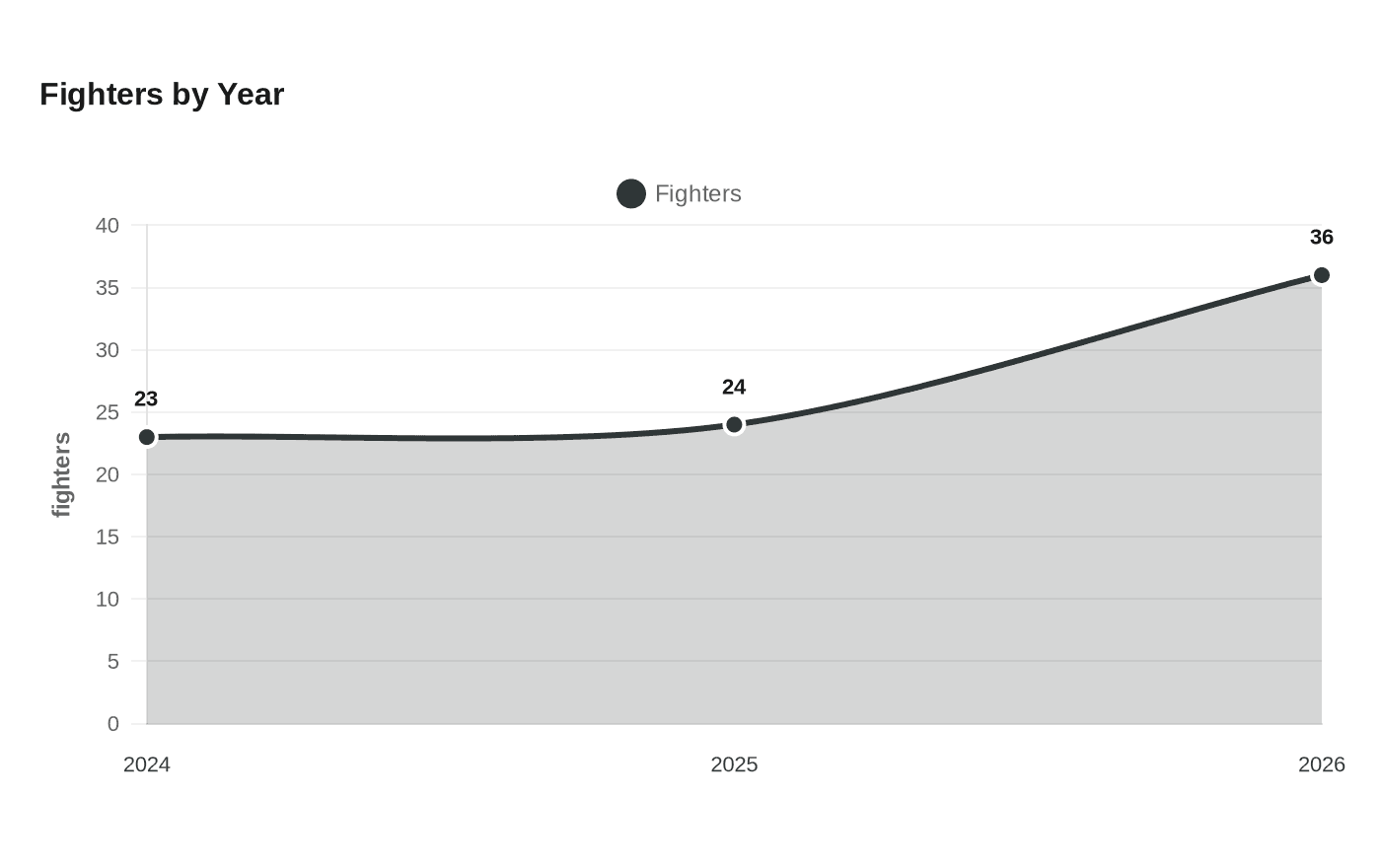
That depth mattered because Dundee was not staging a one-off novelty bracket. Judgement Day 2025 in the same city drew 24 fighters and 75 bouts in the same intermediate longsword category, while the 2024 edition listed 23 fighters and 70 bouts. The jump to 36 fencers in 2026 made the field materially larger and gave the event more weight as a benchmark for the middle tier of competitive longsword.
For HEMA Ratings, which collects results from as many tournaments as possible to generate ratings, that kind of one-weapon, one-division event can sharpen the competitive picture quickly. Dundee also had local infrastructure behind it: The Institute for Historical Arts, one of the first full-time professional HEMA schools in Scotland, runs training sessions several times a week in the city. Put together, the field size, club spread and ratings impact made Judgement Day 2026 look less like a routine date and more like a calibration point for the Scottish intermediate longsword scene.
This article was produced by Prism’s automated news system from verified source data, official records, and press releases, then run through automated quality and moderation checks before publishing. The system is built and supervised by the people who set the standards it runs under. Read our full AI policy.
Did this article answer your question?