New study reveals ancient Greek stances in pankration and wrestling
Ancient Greek stances in palē, pygmē and pankration now read like a coach’s notebook: clinch, boxing shell and hybrid guard, all with real drill value.
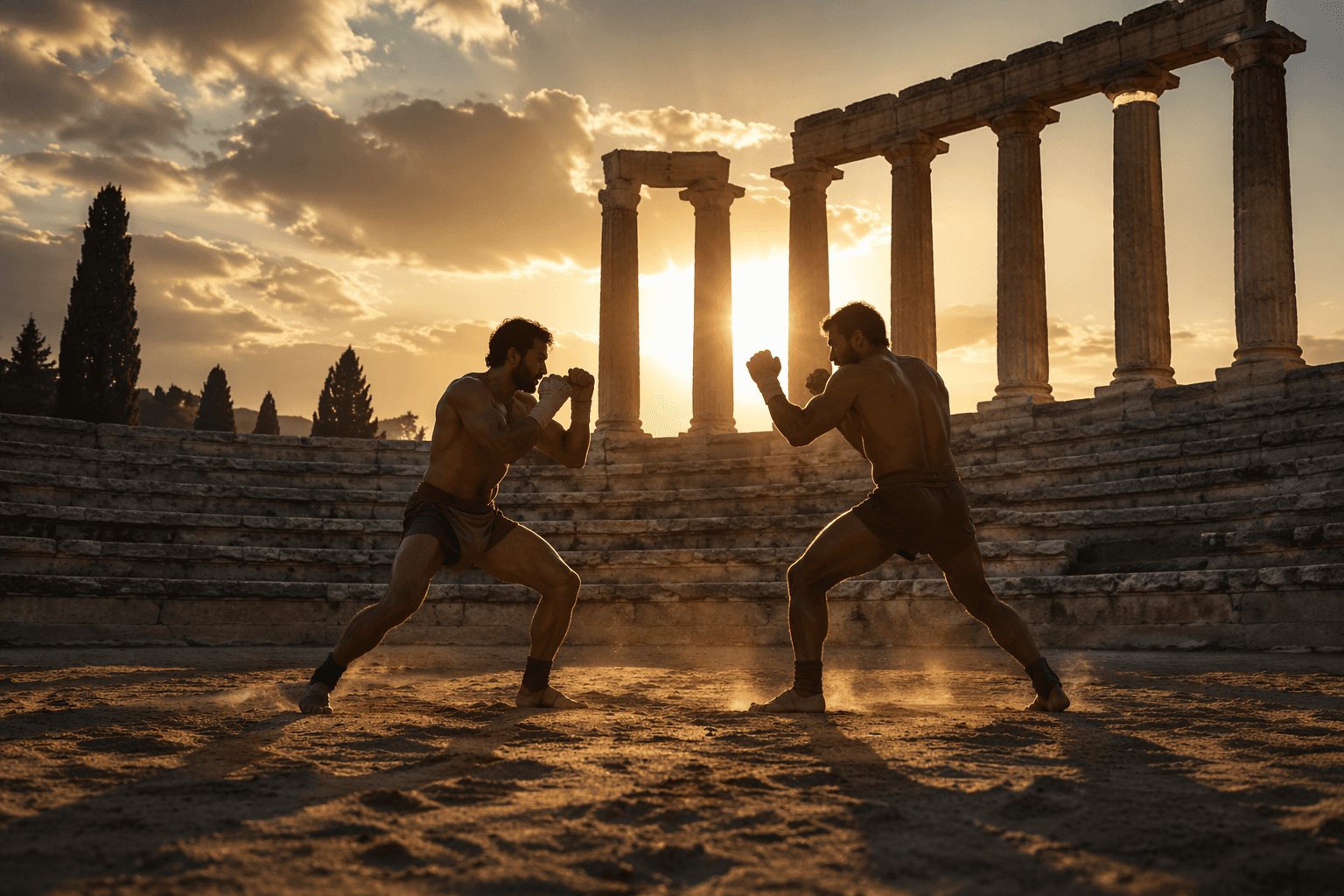
A new paper in the International Journal of the History of Sport has broken ancient Greek combat down to the stance level, focusing on palē, pygmē and pankration and what those postures say about how each sport was actually fought.
That matters because pankration was never just “old-time MMA” in the casual sense. The International Olympic Committee describes it as a combination of boxing and wrestling with barely any restrictions, a “brutal” and “no-holds barred” event where only biting and gouging were forbidden. Greek tradition tied it to Theseus, and one historical account places its introduction into the Olympic Games in 648 BC.
For modern HEMA and mixed-rules fighters, the useful read is not the myth, but the structure. Palē points toward the close-range wrestling posture, the kind built for balance, pressure and upper-body control. Pygmē, the boxing event, sits on the other end of the spectrum, where stance has to protect the head and keep the hands ready. Pankration is the bridge between them: TheCollector described it in 2024 as a sophisticated combination of boxing and submission wrestling, which is exactly why the stance question matters. A posture that works for punching only can collapse the moment clinch contact starts. A wrestling crouch can hand away striking lanes. The new study’s value is in forcing those trade-offs into focus.
That is also where the paper fits into the wider scholarship. Michael B. Poliakoff’s Combat Sports in the Ancient World, published by Yale University Press in 1987, remains a core reference because it covers boxing, wrestling, stick-fighting and pankration in one frame. A fresh stance study does not replace that foundation, but it sharpens the conversation from broad history to tactical behavior.
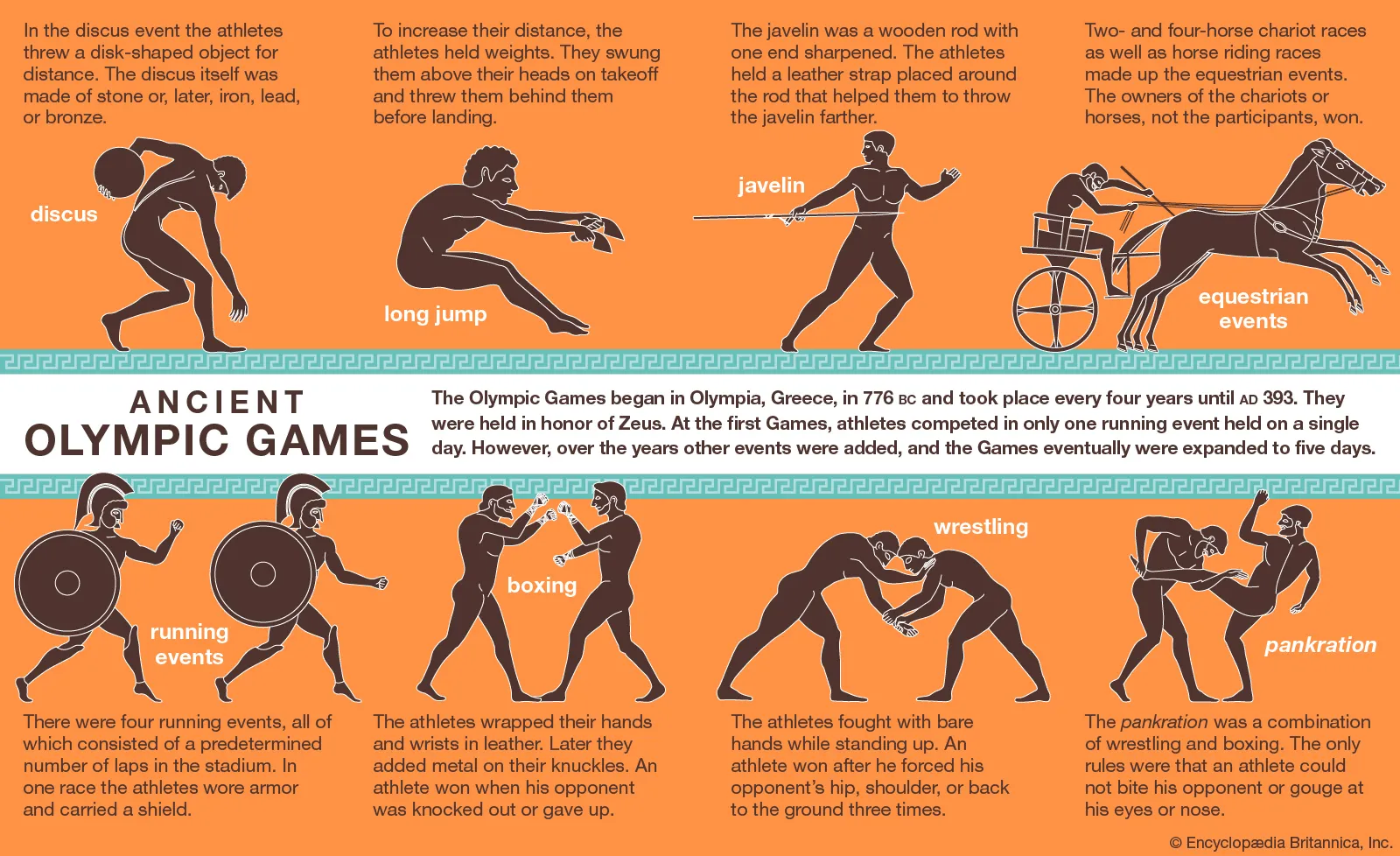
The scale of the ancient combat world is still easy to underestimate. Jeffrey Nall wrote in August 2024 that the first Olympics in 776 BCE had just one type of competition, while the 2024 Summer Olympics had 32 sports. Against that backdrop, a paper about stance may sound narrow, but for fighters who live at the edge of measure, it is the narrow details that decide whether a clinch entry, a punch exchange or a takedown attempt survives contact.
This article was produced by Prism’s automated news system from verified source data, official records, and press releases, then run through automated quality and moderation checks before publishing. The system is built and supervised by the people who set the standards it runs under. Read our full AI policy.
Did this article answer your question?