Wardragon guide urges 1600N masks for safer HEMA training
Wardragon’s gear guide says the smart first buy is protection that matches your contact level, with 1600N masks leading the list for harder sparring.
If you buy HEMA gear in the wrong order, you pay twice: once at checkout and again when the kit fails the moment training gets real. Wardragon’s new guide cuts through that mistake by treating protection as part of performance, not a box to check after the fun gear arrives. Its message is blunt and useful: match the equipment to the kind of work you actually do, then upgrade before the pace, power, or weapon choice outruns your kit.
Start with the training you’re actually doing
The first decision is not brand, color, or what looks serious in photos. It is whether you are walking into first class, drilling regularly, sparring with intent, or preparing for tournament contact. Wardragon frames the core buying categories around masks, gloves, and jackets, and that order matters because each one solves a different problem: the face, the hands, and the torso.
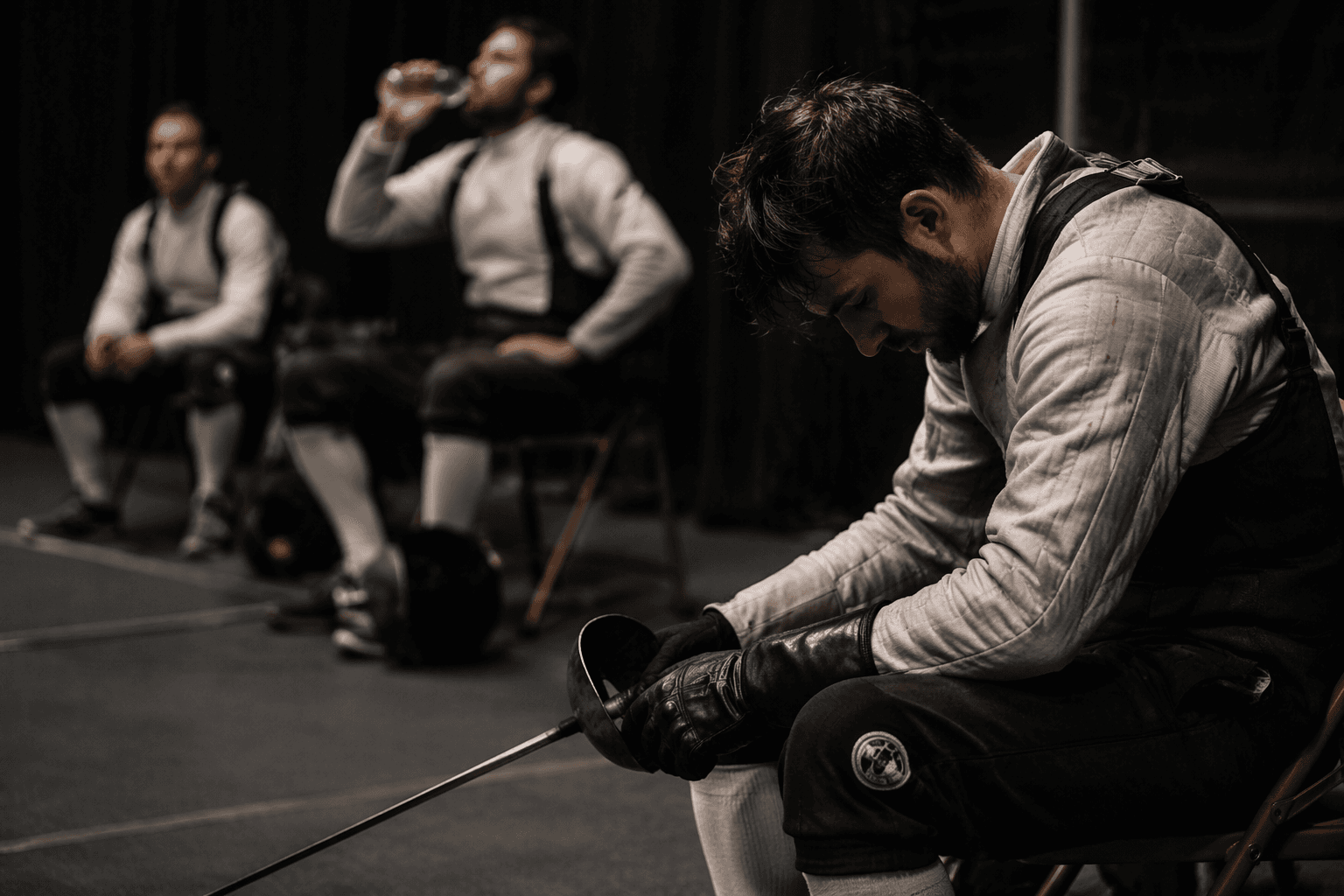
That approach tracks with the way HEMA is actually practiced. Most training beyond solo work requires, at minimum, a mask and gloves, with a jacket commonly recommended next. In other words, the base layer of safety is not optional decoration. It is the equipment that lets you train often enough to improve without constantly backing off because something hurts.
First class: protect the parts that break training fast
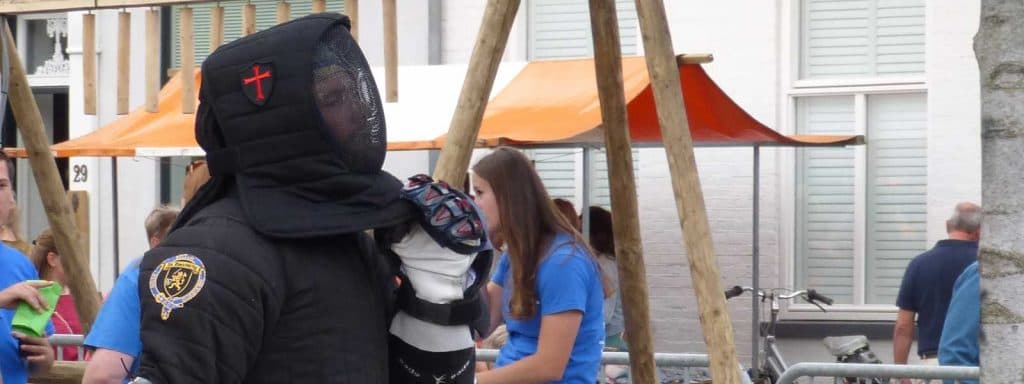
If you are new, the smartest purchase is the one that keeps you in the room. Wardragon’s guide emphasizes gloves because hand injuries are the kind that immediately derail a training cycle. A broken finger is not a dramatic inconvenience, it is a hard stop, and the guide’s warning is exactly the kind of practical advice beginners need before they get seduced by cheaper gear that looks adequate from a distance.
The HEMA Alliance points in the same direction. Its safety policy recommends masks whenever thrusts are a possibility, even in slow play. That is the part many new practitioners underestimate: slow does not mean harmless, especially when steel, masks, and blades are involved. If your first sessions include anything that can touch the face, the mask is not an upgrade item. It is entry-level protection.
Regular drilling: build the kit around consistency
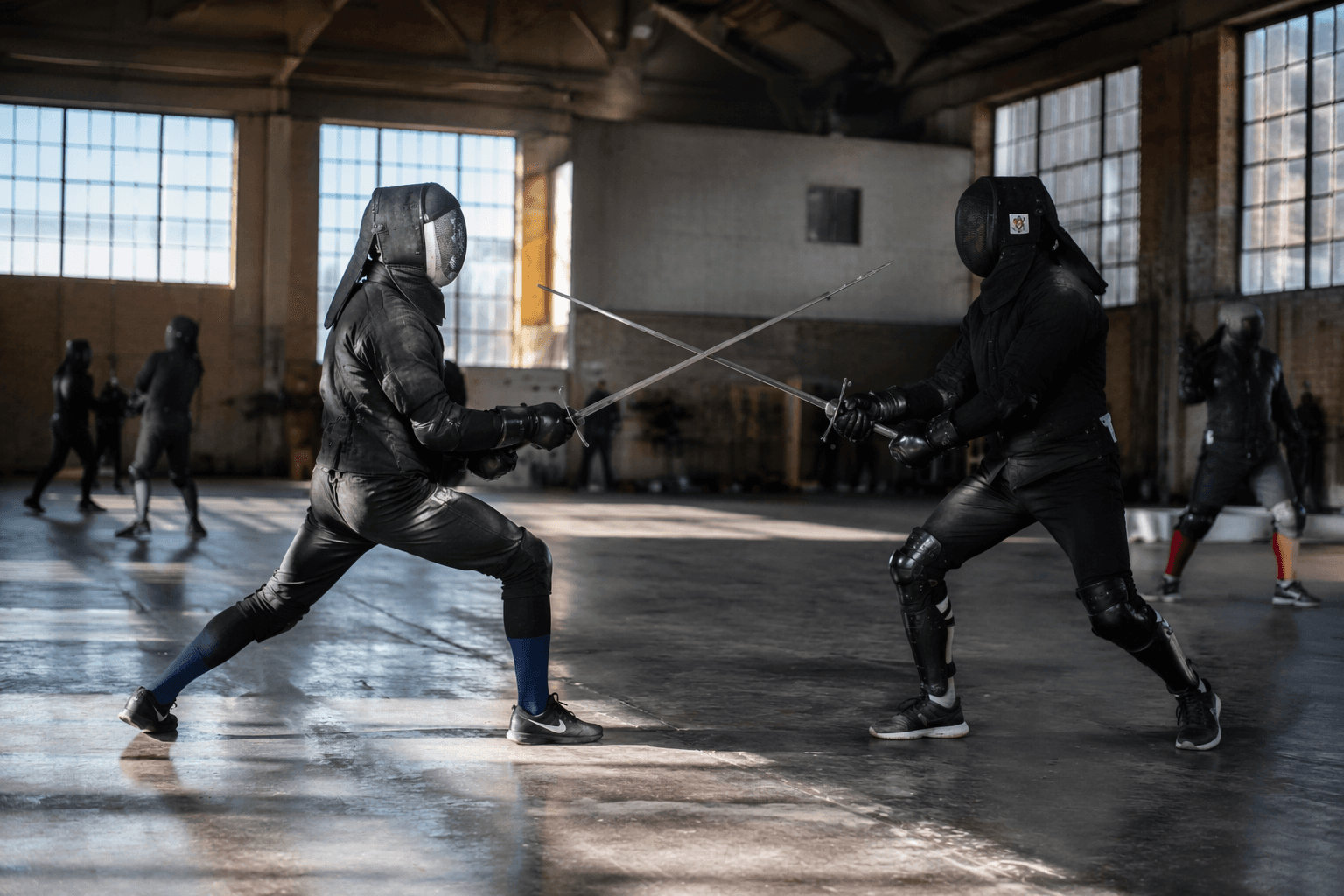
Once you are past the first few classes, the question changes from “Can I get through today?” to “Can I train three times a week without babysitting my injuries?” That is where Wardragon’s focus on jackets and gloves starts to make more sense. A jacket suitable for longsword work needs enough padding to absorb hard hits and thrusts, and that is not a vague comfort issue. It is the difference between controlled drilling and a session that slowly turns into damage management.
Wardragon also warns against treating an Olympic fencing jacket as a substitute for HEMA steel work, and that distinction matters. A jacket built for modern fencing does not automatically solve the impact profile of heavier HEMA weapons. If you are drilling longsword, you need gear built for the force and target zones that longsword creates, not gear that merely shares a similar silhouette.
For buyers, this is where cost discipline matters. The temptation is to save money on the jacket and gloves while spending on everything else. That is backwards. A cheap piece of protective equipment that forces you to limit intensity, shorten rounds, or sit out drills is expensive in the only currency that matters in training: reps.
Sparring: this is where 1600N stops being overkill
Wardragon’s clearest recommendation is also its most actionable: favor a 1600N mask over a 350N option if you expect heavy weapons or full-contact sparring. That is the kind of rule a new practitioner can actually use without building a spreadsheet of edge cases. If the session is headed toward hard contact, the mask should be built for it.
That advice lines up with broader fencing standards. International Fencing Federation equipment rules require the bib of the mask to be made with cloth resistant to 1600 Newtons, and the mask must include a rear safety strap system. FIE homologation documentation also identifies 1600N masks and 800N clothing as the relevant equipment standards in Olympic fencing. The comparison is not identical, but the signal is clear: once contact rises, the safety bar rises with it.
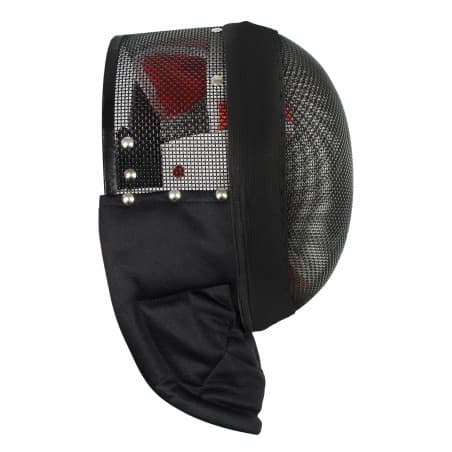
HEMA Alliance guidance points the same way for heavier weapons and more intense contact. It says higher-contact training and weapons such as longsword and saber require more protection. That is the real buying lesson inside Wardragon’s recommendation. You are not buying for the least dangerous version of your training; you are buying for the version that happens once sparring gets competitive and everyone in the room starts trusting the tempo a little less.
Tournament prep: upgrade for the worst honest shot, not the best-case drill
Tournament gear should be chosen for the hits you can receive, not the ones you hope to avoid. Wardragon’s guide makes that practical by steering readers toward masks, gloves, and jackets as the core stack before international tournament work. In competition prep, the question is not whether your current gear is technically wearable. It is whether it still makes sense when intensity, fatigue, and repeated contacts all rise at once.
That is also where the HEMA Alliance’s Interactive Gear Checker fits in. Launched on June 6, 2024, it exists to help practitioners figure out what gear is required under the insurance policy for the activity they have planned. For clubs onboarding beginners, that kind of tool turns abstract safety talk into a purchase path: start with the minimum protection for the activity, then add the next layer as contact and commitment increase.
Why the brand list matters
Wardragon does not pretend there is one magic manufacturer. Its guide names Allstar, Arming Guild, Red Dragon, PBT, Uhlmann, Faits D’Armes, Absolute Force, and Leon Paul, which is useful because it shows the breadth of the market before you start comparing prices and protection levels. That list signals something important: buyers are not choosing between “good” and “bad,” but between different balance points of fit, price, and use case.
That matters because the wrong order of purchases can trap beginners in compromise gear. If you buy a flashy jacket before a solid mask and gloves, you may end up fencing less, not more. If you buy a lighter mask because it is cheaper, then move into full-contact sparring anyway, you are setting yourself up to replace it early. Wardragon’s advice is really a budget strategy disguised as a safety guide.
The injury data backs the priority list
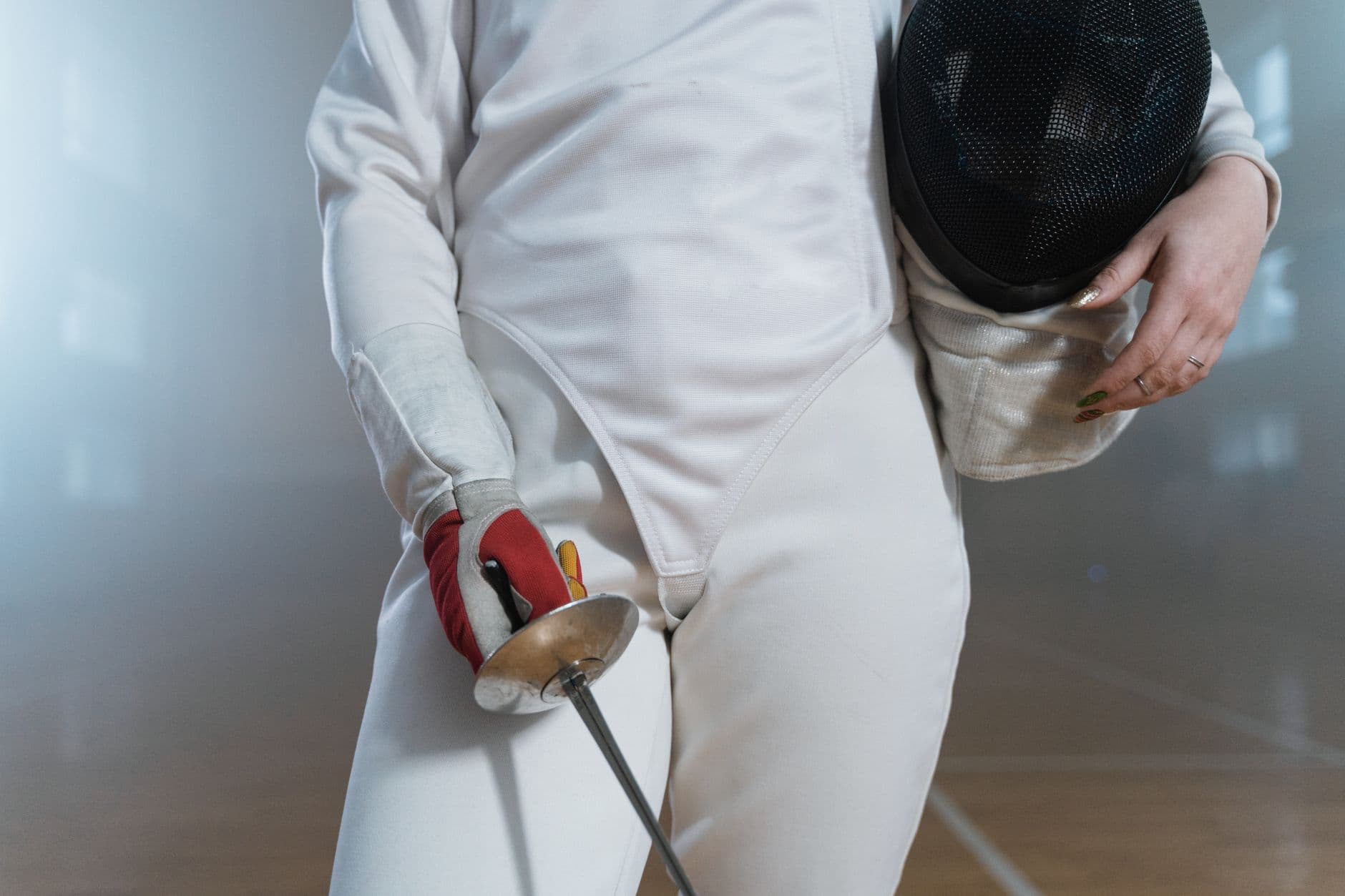
The case for gloves is not theoretical. A retrospective questionnaire study of Belgian and Dutch longsword fencers found the most acute injuries were at the hand, wrist, and fingers, and the most common equipment problems involved heavy-duty gloves and fencing masks. That makes Wardragon’s warning about broken fingers more than common sense. It matches the injury pattern.
Seen together, the data and the gear guidance point to the same conclusion: the body parts most likely to get punished are the ones that should shape your shopping order. Face protection, hand protection, then torso protection. That is the sequence that keeps training days from turning into recovery days.
The bigger picture in HEMA
HEMA is a modern reconstruction and study of older European martial traditions, and it has grown far beyond a handful of isolated clubs. HEMAA says there are hundreds of clubs and schools worldwide, supported by a large online community that helps newcomers choose gear and find schools. As the sport has grown, so has the safety culture around it, with insurance requirements, club policies, and gear standards becoming part of normal practice.
Wardragon’s guide sits squarely inside that shift. It is not just telling you what to buy. It is telling you how to buy in the right order so you can train longer, spar harder, and avoid the costly mistake of treating protective gear like an afterthought. In HEMA, that is not cautious advice. It is the fastest route to staying in the game.
This article was produced by Prism’s automated news system from verified source data, official records, and press releases, then run through automated quality and moderation checks before publishing. The system is built and supervised by the people who set the standards it runs under. Read our full AI policy.
Did this article answer your question?