What the montante reveals about HEMA's greatsword training
The montante turns greatsword work into a lesson in distance, line, and footwork, not just force. Its 32-rule structure shows why the biggest blade in HEMA often rewards the cleanest control.
The clearest clue to Iberian montante training is the 32-rule framework attached to the weapon. In the Iberian tradition, the greatsword is trained as a system of movement with its own logic. The result is a weapon that looks theatrical from the outside but rewards exact control of distance, line, and recovery every time it moves.
The 32 rules are the point, not a side note
The training method is explicit in *Path of the Great Sword*: “These Practices of the Montante are training for the real thing, for these thirty-two rules will not only facilitate all the movements of the body, but in a manner they will cultivate an agility equal to a natural one in all fights.” It frames montante work as a structured practice, not a loose collection of big cuts.
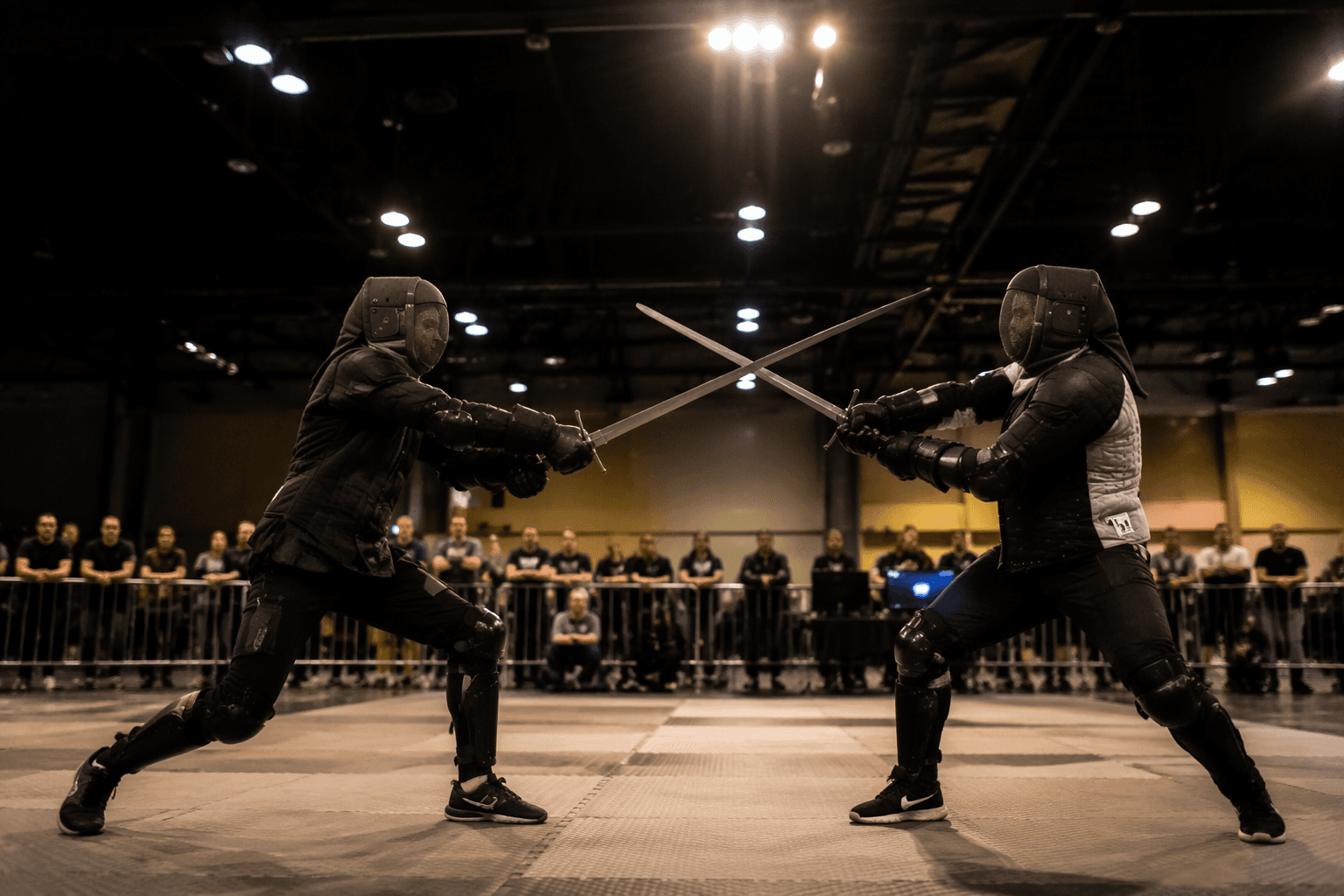
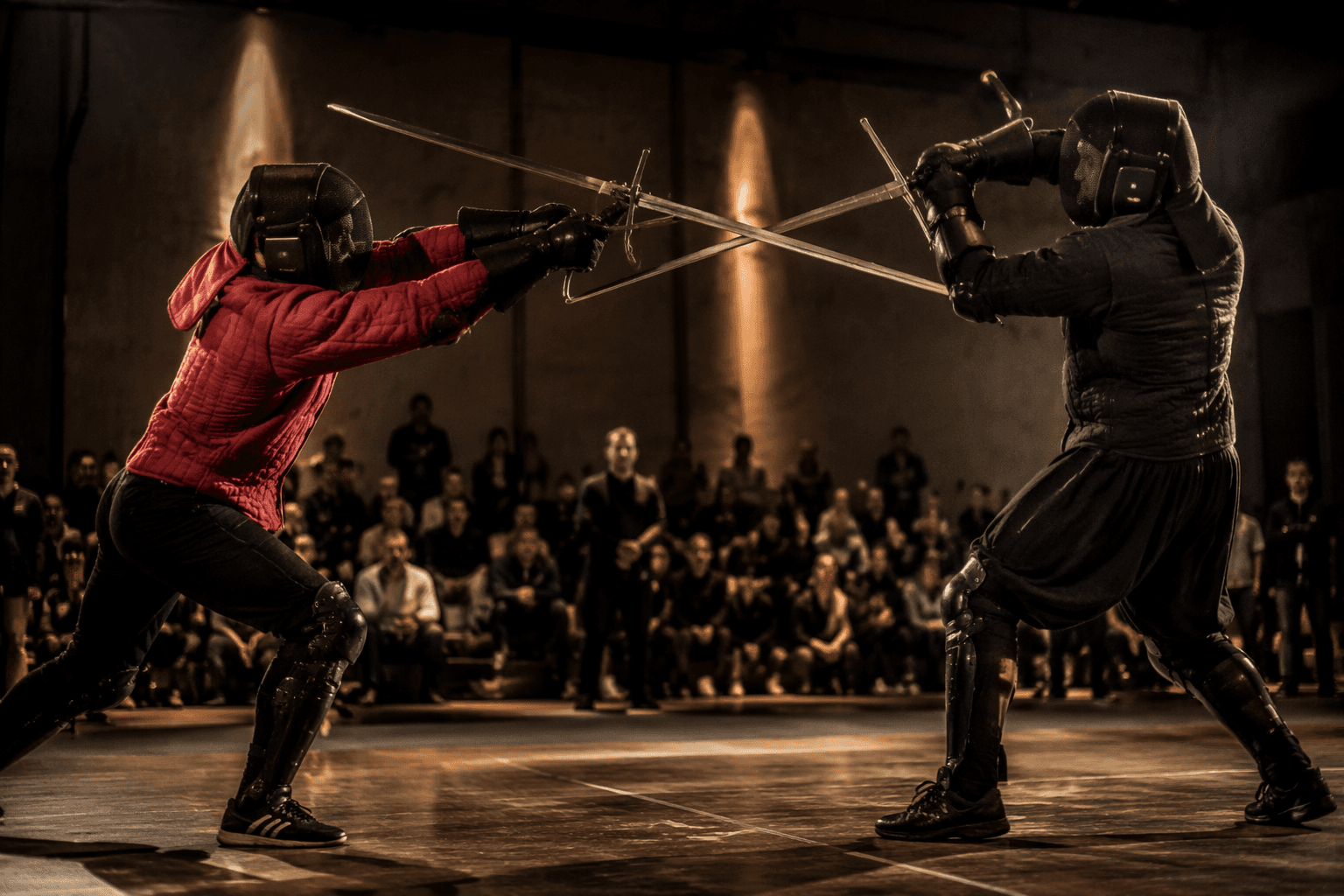
When you watch a good montante performance, the blade is not just swinging wide for effect. The fighter is organizing the body around the weapon’s reach, using each action to set the next line, the next step, and the next threat. Montante work treats movement as a full-body problem: feet, hips, shoulders, and blade all have to agree before the cut becomes useful.
What skilled montante work actually looks like
The greatsword’s size changes the rules of engagement. A short, quick hand motion that might be enough in rapier or even longsword often does not carry enough authority here, because the weapon asks for committed arcs and deliberate exits. Skilled work uses footwork to make room before the blade arrives, then keeps pressure on the line so the opponent cannot simply step in and take over the center.
A clean action often shows three things at once: the fighter claims space, denies entry, and preserves a threatening blade path through the transition. If the point or edge drops out of alignment during recovery, the action may look large but it has stopped doing useful work.
- stepping to create enough room for the weapon to complete its line
- turning the body to keep the blade between self and opponent
- recovering without leaving a wide, open lane for a counter-entry
- using momentum to continue pressure rather than overcommitting to a single strike
The best way to read a bout or demo is to watch for how the fencer manages distance:
Why Iberian sources give the montante its shape
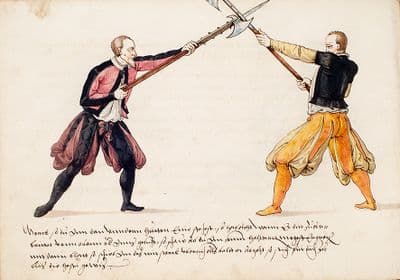
The historical anchor here is Diogo Gomes de Figueyredo’s *Memorial Of the Practice of the Montante*, dated 1651 in the HROARR PDF title and description. That date places montante firmly in the 17th century and in a documented Iberian tradition, rather than in a vague “medieval greatsword” category that flattens the sources. The manuscript gives modern HEMA practitioners a named, dated foundation for how the weapon was understood and trained.
Modern interpretation has widened that foundation. In 2018, an English translation of Godinho by Tim Rivera was released. A HEMA article titled *Godinho Montante rules in simple English* took an introductory look at the montante section and made notes. Translation and commentary work has built a living teaching culture around source material, with practitioners explaining the rules in language that makes the structure usable on the floor.
The contrast with the *Path of the Long Sword* page is useful too. The long sword carries its own source tradition and framing, which helps show that HEMA is not one universal sword language with different costumes. Different weapons are treated through different texts, different use cases, and different technical priorities.
Where montante fits in modern HEMA culture
Montante is less common than longsword in modern tournament play. HEMA Ratings collects results from as many HEMA tournaments as possible and presents ratings generated from those results, and that organized competitive layer is dominated in public visibility by the weapons most people already know. Greatsword work sits at the edge of that ecosystem.
Safety and logistics matter even more with a weapon this large. HEMA Alliance’s training-safety guidance states that fighting with a sword is inherently dangerous, and that serious injuries in HEMA are rare but not unheard of. That reality shapes how montante is trained: more floor space, more awareness of distance, and more control in partner work than many newcomers expect from a weapon so visibly dramatic.
Many martial artists fly to tournaments, sometimes internationally. The montante lives inside that broader world of feder, synthetic trainers, steel practice, and cross-border events.
This article was produced by Prism’s automated news system from verified source data, official records, and press releases, then run through automated quality and moderation checks before publishing. The system is built and supervised by the people who set the standards it runs under. Read our full AI policy.
Did this article answer your question?