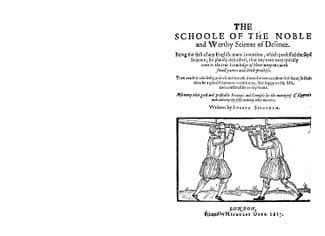
William Hope and the smallsword, fencing as reform and art
William Hope shows smallsword fencing becoming a system of self-defense, health, and reform, not just dueling etiquette. His books still echo in modern coaching and safety-minded practice.
William Hope’s eight printed books make him one of the clearest examples of fencing’s shift from private duel culture to a more methodical martial system. In his work, the smallsword is not just a blade but a disciplined practice, a social tool, and a way to imagine violence as something that can be studied, taught, and restrained.
Hope at the hinge point of fencing history
The Acta Periodica Duellatorum paper places Hope squarely in the early Enlightenment in Scotland, and that context matters. He was not simply preserving an older gentleman’s habit of carrying a sword; he was turning fencing into something closer to a system. That meant using early scientific methods, reflecting on the social implications of fencing, promoting sport for better health, and trying to institutionalise fencing in order to curb violence.
For HEMA readers, that combination is the point. Hope treats swordsmanship as a technical art, but also as a public good. He is one of the first figures who makes it easy to see fencing as more than dueling etiquette, because he writes as though a method can be refined, tested, and improved for the sake of both effectiveness and social order.
The smallsword as weapon, fashion, and status
The Metropolitan Museum of Art places the smallsword’s emergence by about 1700, when the rapier had already been trimmed down into a lighter civilian weapon. That change was not just mechanical. It reflected a shift in the way elite men moved through public life, because the smallsword remained part of a gentleman’s wardrobe until civilian sword-wearing faded at the end of the 18th century.
The object itself carried class meaning. Many smallsword hilts were made of silver or steel, and some were finished with gold, porcelain, or enamel, which made them wearable art as much as tools of defense. That luxury helps explain why the smallsword mattered beyond the salle. It lived at the intersection of combat, dress, and display, and that is exactly the world Hope was writing for.
The same century also changed the terms of violence. By the end of the 18th century, pistols were increasingly replacing swords in personal duels. As the civilian sword lost ground, the smallsword manuals became historical records of a culture that had once expected a gentleman to know how to fence as part of ordinary social competence.
Why Hope’s books matter
Hope’s printed output is unusually rich for understanding that transition. The Smallsword Project dates *The Scots Fencing Master* to 1687 and identifies it as his first text, written when he was 27. That early book already shows a writer thinking about the art of defense in a formal, teachable way, not as a loose collection of tricks passed from one gentleman to another.
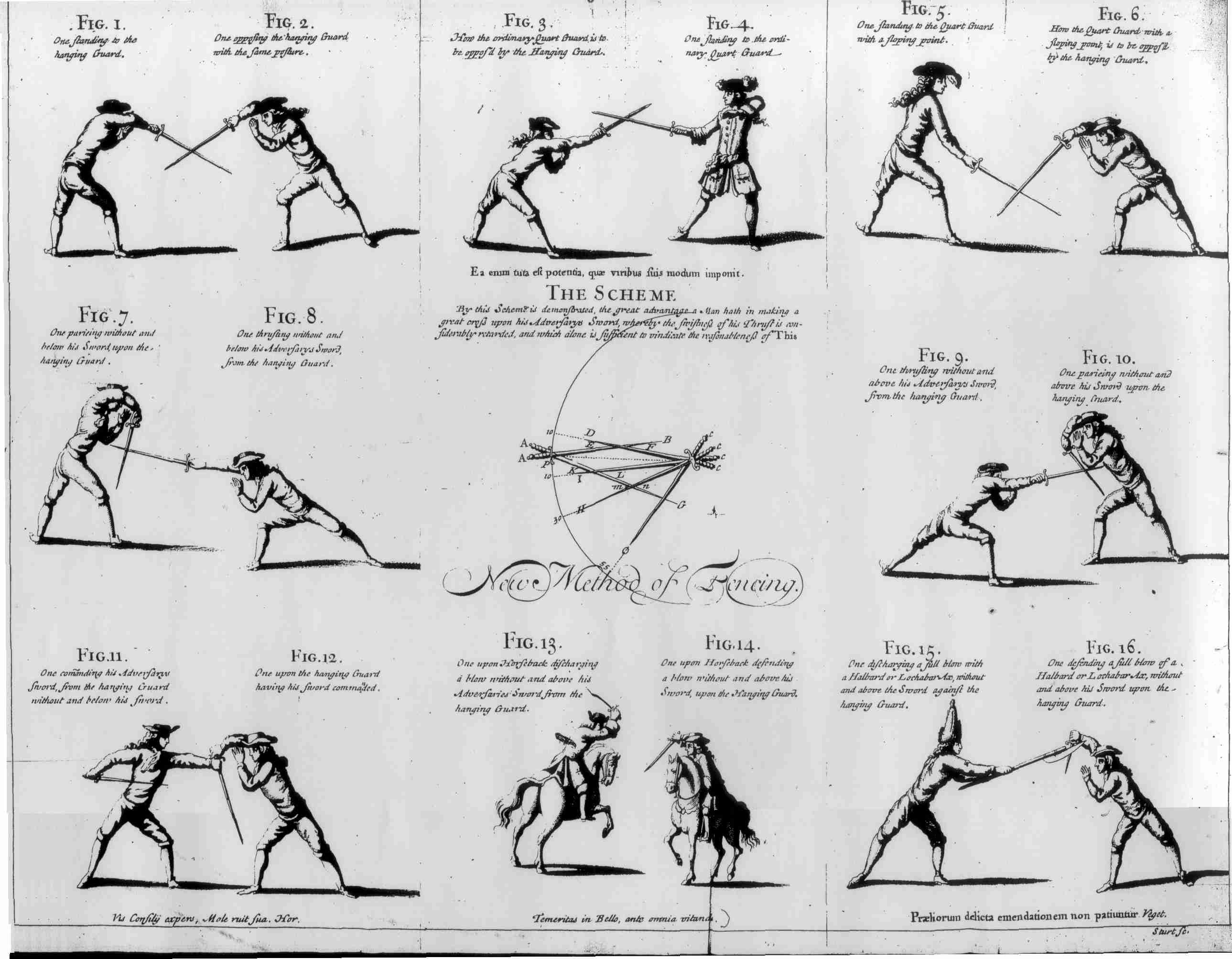
His later *A New, Short, and Easy Method of Fencing: Or, the Art of the Broad and Small-Sword Rectified and Compendized* appeared in 1707. That title alone tells you how he thought about his project. He wanted fencing to be short, easy, rectified, and compendized, all words that point toward clarity, system, and method. By about 1710, the rapier was largely replaced by the smallsword in much of England, though it persisted longer in Spain, so Hope’s books sit right in the middle of a continental turning point.

That timing makes his work especially useful to HEMA study. His texts are not museum pieces in the narrow sense. They are snapshots of a technical culture in motion, capturing the moment when older broad-sword and rapier traditions were being reorganized around the lighter civilian smallsword.
A martial thinker who revised his own system
The Linacre School of Defence adds an important layer to Hope’s development. He originally trained in the French smallsword system, then concluded that it was lacking. He came to favor the English backsword method as the true art of defence, which makes him a martial thinker willing to change his mind in public.
That matters because Hope was not building a single frozen doctrine. He moved across systems, compared them, and decided that some methods answered the problem of defense better than others. For modern practitioners, that looks familiar in a very practical way. It is the same impulse that drives source comparison, pressure testing, and technical revision in present-day historical fencing.
He also bridges smallsword and broader duelling concerns rather than isolating the weapon from the social world around it. In that sense, his writing belongs to civilian self-defense, technical experimentation, and a larger argument over what reliable fencing should look like.
What his approach still echoes in the salle
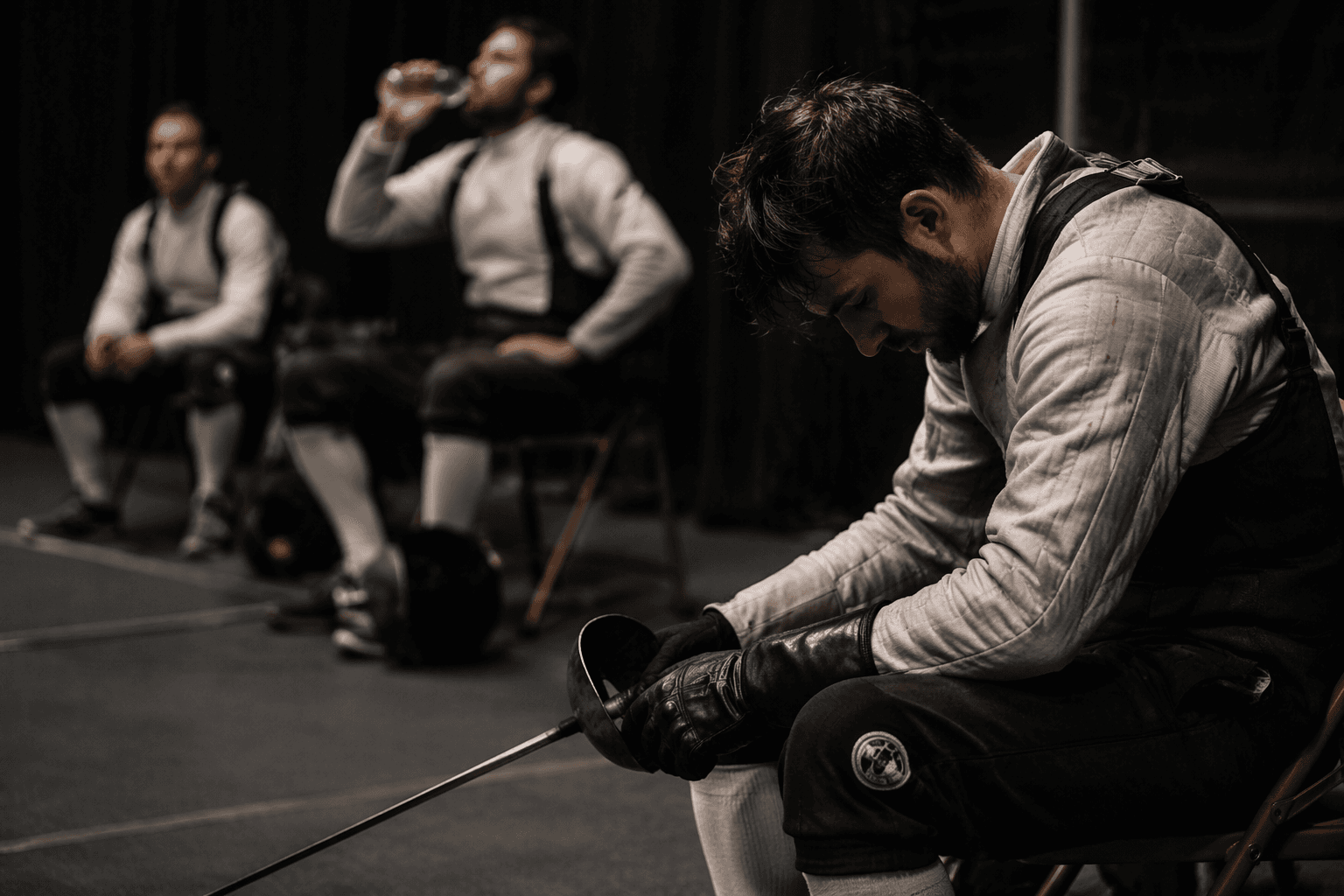
Hope’s most modern-sounding idea is not a particular guard or thrust. It is his belief that fencing should be institutionalised, explained, and made healthier for the people who practice it. That is close to how many HEMA clubs think about curriculum today, where written systems, progressive drills, and controlled sparring are meant to make historical combat more usable and less reckless.
His interest in sport for better health also gives the smallsword an unexpected modern resonance. He does not treat sword practice only as a response to danger, but as a structured physical discipline with social value. That puts him in the same broad conversation as later martial systems that sell themselves through fitness, posture, mental discipline, and self-control, not only through combat claims.
For HEMA, Hope is valuable because he shows the moment when fencing begins to look like a modern martial art system. The emphasis shifts toward pedagogy, repeatability, safety, and public legitimacy. The blade remains central, but the larger ambition is clearer: turn a culture of dueling into a teachable science, and turn a gentleman’s weapon into an art with rules, method, and purpose.
That is why Hope still reads as more than a historical author. He is a blueprint for how fencing became legible as technique, as reform, and as a practice with consequences far beyond the duel.
This article was produced by Prism’s automated news system from verified source data, official records, and press releases, then run through automated quality and moderation checks before publishing. The system is built and supervised by the people who set the standards it runs under. Read our full AI policy.
Did this article answer your question?